Champions in Healthcare: this was different
What makes humanity-focused leadership different from the workshops that came before — told through experienced leaders who thought they'd seen it all.
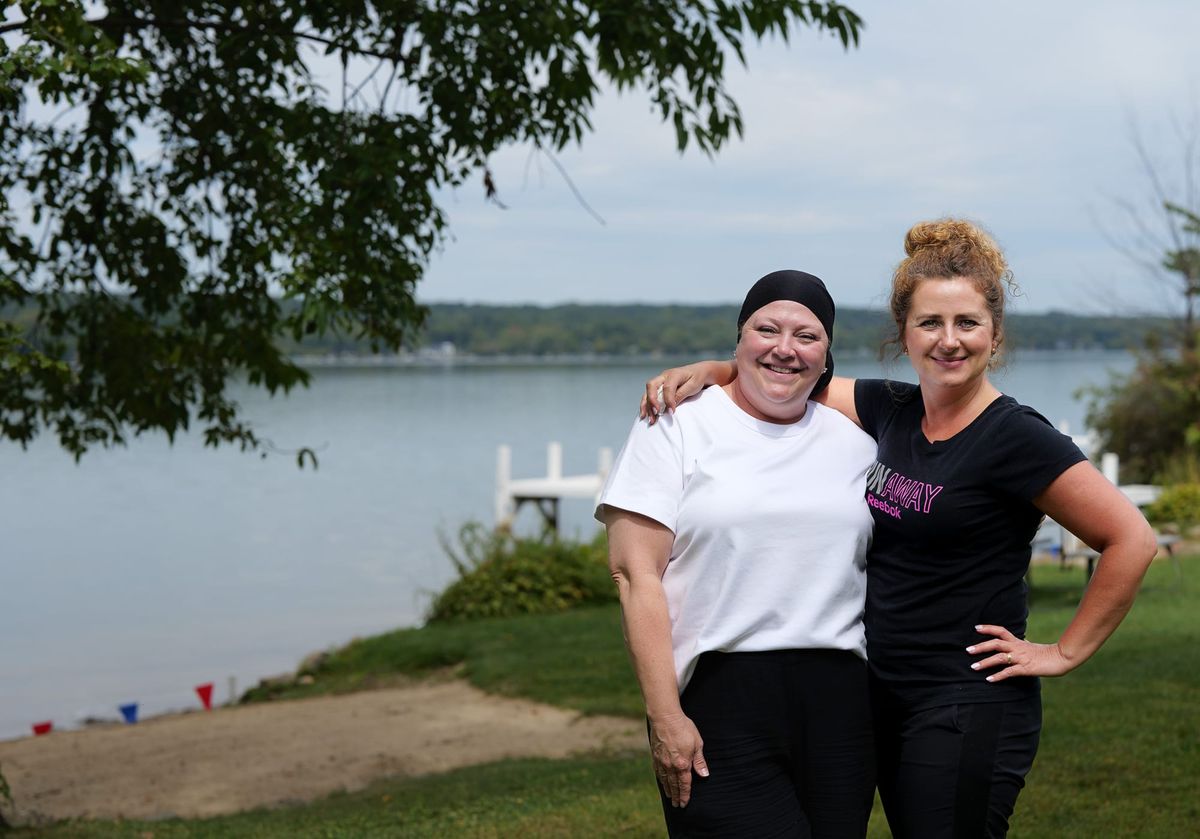
This was completely different from any other leadership training that I've had, in the best possible way.
So what was the Champions program like for the participants?
Most of us have done leadership development. Some great, some average, most less so.
As one participant said:
"It wasn't the long, drawn out, boring type of workshops that I was used to in my career. And it was very inspiring. It was very engaging and humbling."
When you bring a program built around humanity into a busy healthcare organization, there is going to be a lot of skepticism.
Their bar is high — as it should be.
I'm going to like this program
Let me start with Marsha, the Executive Director.
She had done a lot of training over her career — offsite, onsite, different vendors, different frameworks.
So when she heard "leadership training with a humanity spin," she honestly couldn't picture what it would look like in the thick of a busy clinic, "where the days are full, the problems are real, and everyone's already tired."
Then she walked into the first workshop, and it "wasn't management theatre."
It was, in her words, "the human side of leadership — our biases, including the ones we don't want to admit, and the ripple effect of what we say and do."
What surprised her most was how much they could actually discuss, and accomplish, in a single session.
One of the supervisors, was even more direct — she'll tell you herself she started as a skeptic.
She's the kind of person who says it as it is, and when my colleague Steve and I first sat down with her, she basically laughed: "Positive change? Yeah… I need to see that!"
She was a good supervisor, loyal, and entirely unconvinced, until she left the room.
Champions is not drawn from your usual program. I started to share about my experience in Rwanda, about what happens when leadership really goes wrong. And how people were able to overcome the divisions, about my 20 years working alongside survivors in Rwanda.
She replied, "I will go home today and appreciate my family more than ever". "It takes a big person to do that."
She then said, "I think I'm going to like this program. I have a totally different
outlook after today. Thank you."
What actually made it different
Here's the honest answer, in the words of the people who lived it.
Karah Fogg, Director of Medical Management, had led internationally and in major U.S. hospitals, and had sat through plenty of leadership training.
Her verdict: "completely different from any other leadership training that I've had, in the best possible way."
Why? Because typical leadership training, in her experience, was about mechanics — "how you run a one-on-one," or "here's how you have a strategic conversation."
This was about the person, the humanity of it.
And in healthcare, she said, that matters more than anywhere: "we're in the serving-people business." The patients are why we're there — but so are our colleagues.
There were three things that set it apart.
First, the stories of humanity. Champions is built around real stories of people who overcame extraordinary hardship — including survivors from Rwanda.
Karah called them "the North Star," the thing that pulls you back to meaning when you're going task-to-task-to-task.
Marsha said: "It wasn't sentimentality. It was the return of meaning."
Second, it was practical, not theoretical. People walked away with tools they used immediately.
This included tools like judgment and curiosity dials; the Circle of Control; Monkey Management, and many others.
Karah, a self-confessed collector of other people's problems, learned to say: "Not all 'monkeys' that I encounter are mine."
These weren't concepts to admire. They were habits to practice.
Third, it followed them home. This may be the truest test of all.
Marsha found herself more patient as a parent — letting her children be more independent while holding them accountable.
Sheila, the Medical Director, said she felt "happier, more grounded, less stressed" — and her daughter noticed, telling her: "This has been a good journey for you, Mom."
When leadership training changes what you carry home in your nervous system, you know it wasn't theatre.
Transforming healthcare through people
I'll leave you with this.
The transformation at UHS did not happen despite the experienced skeptics.
It happened through them.
Capable people who found something genuinely different.
That's the real signal. Not that a program can impress the already-converted, but that it can reach the person who's seen it all, done the offsites, and quietly wondered whether anything new was really on offer.
I've done team development before, but not like this
Become a Champion
The UHS story shows that even the most experienced, most guarded people can be reached. Their humanity can be reactivated — and when it is, they often become the strongest Champions of all.
Humanity-focused leadership isn't a softer version of team development. It's a deeper one — and the experienced skeptics are often the ones who feel it most.
If this story stirs something in you, don't let it stay a feeling.
- Join the 35Champions site as a free member, and follow the movement as it grows.
- Pay it forward as a paid member, helping others become Humanity Champions in their own workplaces and communities.
- Most of all, choose a pathway of humanity — and lead in a way that reaches the whole person, not just the role.
Join as a member, read and share Stories of Humanity, and help fund the next generation of Champions.
I'd love to hear your reflections below.
Glen
Enjoyed this story? Become a Champion, either as a free member, or pay it forward and help fund the next generation of young Champions.