Proximity over Prejudice: How to Change Yourself and Change the World
My personal reflections on how proximity overcomes prejudice and teaches us what it means to be human.
Most of us know the childhood game of rock, paper, scissors.
Paper, as flimsy as it looks, beats rock — not by being harder, but by wrapping around it, surrounding it.
Rock against rock, on the other hand, gets you nowhere. It is a draw, a stalemate, two immovable things straining against each other.
I have come to think that prejudice is a kind of rock.
And you cannot beat it with more rock — with argument, with force, with a harder version of the same certainty.
To overcome prejudice you have to reach for something else altogether. Something that looks weaker, and turns out to be far stronger, because it surrounds the thing it meets rather than striking it.
That something is proximity.
You may know my story. In 2004, I was thirty-six. I was a husband, a father of four and twenty years into a management career. Then I walked away.
On paper I had every reason to stay. But I had come to realise something unsettling: that for all my good education, I had very little real idea of what it actually meant to be human.
Everything since has been, in one way or another, an education in that one question.
And my single greatest teacher has been proximity — drawing close to people I might otherwise never have known.
So this post is my way of saying thank-you to the many people I have been privileged to meet these past 22 years.
It is my chance to recognise some of the people who have taught me how proximity overcomes prejudice. Again and again, they have helped me understand what it means to be human.
The canvas, the brush, and the mirror
We have talked, across this series, about the starting canvas — the truth that none of us begins with a blank one.
Ours is painted for us, long before we can hold the brush: by our family, our community, our time and place.
And some of what is painted is prejudice. Not always deliberate. Maybe it made sense for a different generation, a different time, but the prejudice has become 'baked in', whilst the reason, if there ever was one, has long gone. Some of it may even be deliberate. Either way, we inherit it without ever choosing it.
Or perhaps, in a strange and painful way, we were given another kind of starting canvas: seeing the damage prejudice causes at an early age.
Then, at some point, the brush is placed in our own hands.
And here is the uncomfortable part: the easiest thing in the world is to keep painting in the very colours we were handed. Why would we do anything else?
Why would we question what everyone around us has always taken to be simply true?
We wouldn't — until something interrupts us.
A prompt. A moment that asks us a question we cannot un-ask, or holds up a mirror in which we suddenly see our own humanity — and our own prejudice — reflected back.
Only then do we have a real choice.
We have seen the power of that kind of proximity in the earlier posts: how it transformed lives, and rippled outward from one person to the next, a kind of pay-it-forward that never quite stops.
Let me now tell you how it worked on me.
The Smith family, and a door into another world
Let me start with the Smith family: Marina, her husband Eddie, and their two sons, Stephen and James.
They were a Methodist family — and they did something remarkable. They created the United Kingdom's first, and still its only, dedicated Holocaust museum and education centre. They had no prior connection to Jewish life or to the Holocaust; no family history that pulled them toward it. They simply saw a wrong the world was in danger of forgetting, and they chose to act.
To me they have always epitomised the motto at the heart of Champions: the capacity to act for the good of others — and the conviction that the world changes when we change how we treat each other.
It was through the Smiths that a door opened for me.
Through them I began to learn about Judaism. Through them I met survivors of the Holocaust, and many Jewish people, for the first time in my life.
That mattered more than I can easily put into words, because of where I had started.
I was raised in the Protestant faith — Anglican, then Baptist, then Charismatic. My own starting canvas had been painted, without my ever noticing, with the very prejudices so many of us will recognise: the half-formed assumptions, the inherited caricatures, the "them" I had never actually met.
Proximity changed that.
Not an argument. Not a book. Proximity — real people, real homes, real conversations. Slowly, I developed my own understanding, in place of the one I had been handed.
Like Michael Thurmond looking into the mirror of Oglethorpe's life, I was able to look into my own mirror.
There are far too many people to name — Jews who have welcomed me into their homes and their lives with a generosity I did not earn.
They are all different from one another: different politics, different tastes, different views on almost everything. But they are united in one thing I have come to treasure — a faith rooted in humanity, in what it means to be human.
If you are reading this and you know me: a warm hello, and thank you for welcoming me!
Seeing the human beyond the label
It has not stopped with one community.
I have since had the privilege of coming to know people of many other faiths — and of none.
And every time, proximity does the same quiet work. It lets you see the human beyond the label. It lets you understand.
That word — understand — is the one I keep returning to.
Because understanding is what disarms fear, and anger, and hatred.
I have written before about the inscription at the Kigali Genocide Memorial, the one that begins, "If you really knew me…" — and about how understanding builds capability, offers protection, and activates and strengthens our own humanity.
Understanding and proximity are bound together. You cannot truly have the first without the second.
Let me show you what I mean, with a story.
A chain of meetings across an ocean
It was October 2017. I had just flown into Kigali, Rwanda.
My colleague Jeff messaged to say he was already on his way to the airport — not just to collect me, but to take me straight to meet two gentlemen, Spencer Niles and Steven Noah, both from the United States, who had been in Rwanda for a conference and were flying out that same evening.
If I wanted to meet them, it had to be now.
Jeff is no ordinary colleague. He and I had worked together back in 2004, part of the team building the Memorial. And that hurried meeting at the end of a long flight — a chance encounter, squeezed into the hours before a departure — turned out to be a seed.
From it grew a Rwanda-study-abroad-programme at the College of William & Mary, which began in 2019 and continues to this day: the very first programme to integrate the Memorial's peace and values education methodology into a United States curriculum.
It carried and carries this same proximity — the drawing-close that transforms people — to students in America.
A few months later, Steve asked whether the Memorial would take part in a Rwanda commemoration event in Iowa.
I said yes, and in April 2018 I travelled there with a colleague, Yves, from the Memorial.
Proximity, again — carried across an ocean.
And it was there, a few months later, that I met Joe Crookham.
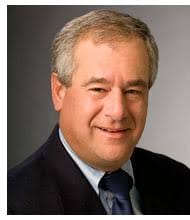
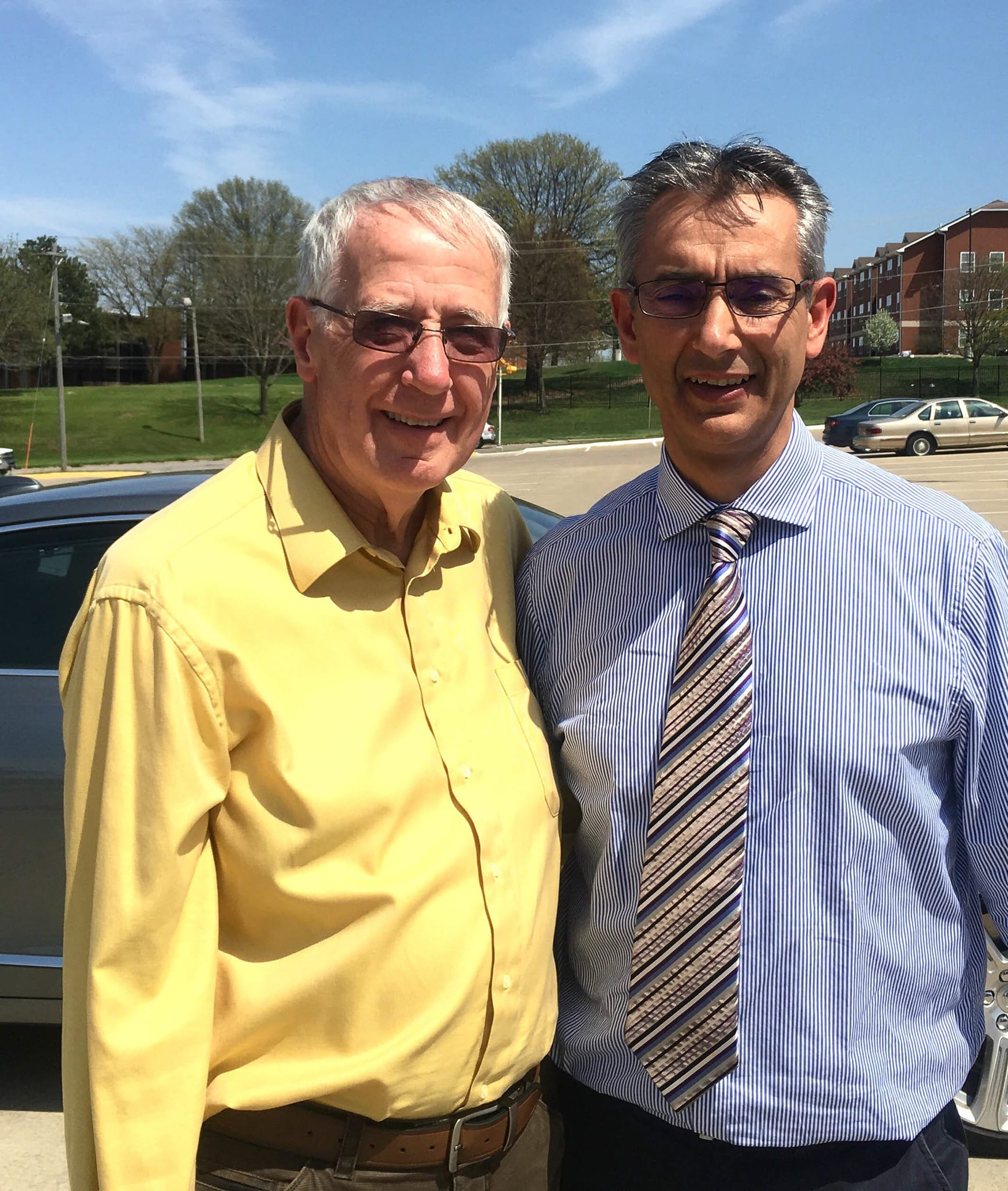
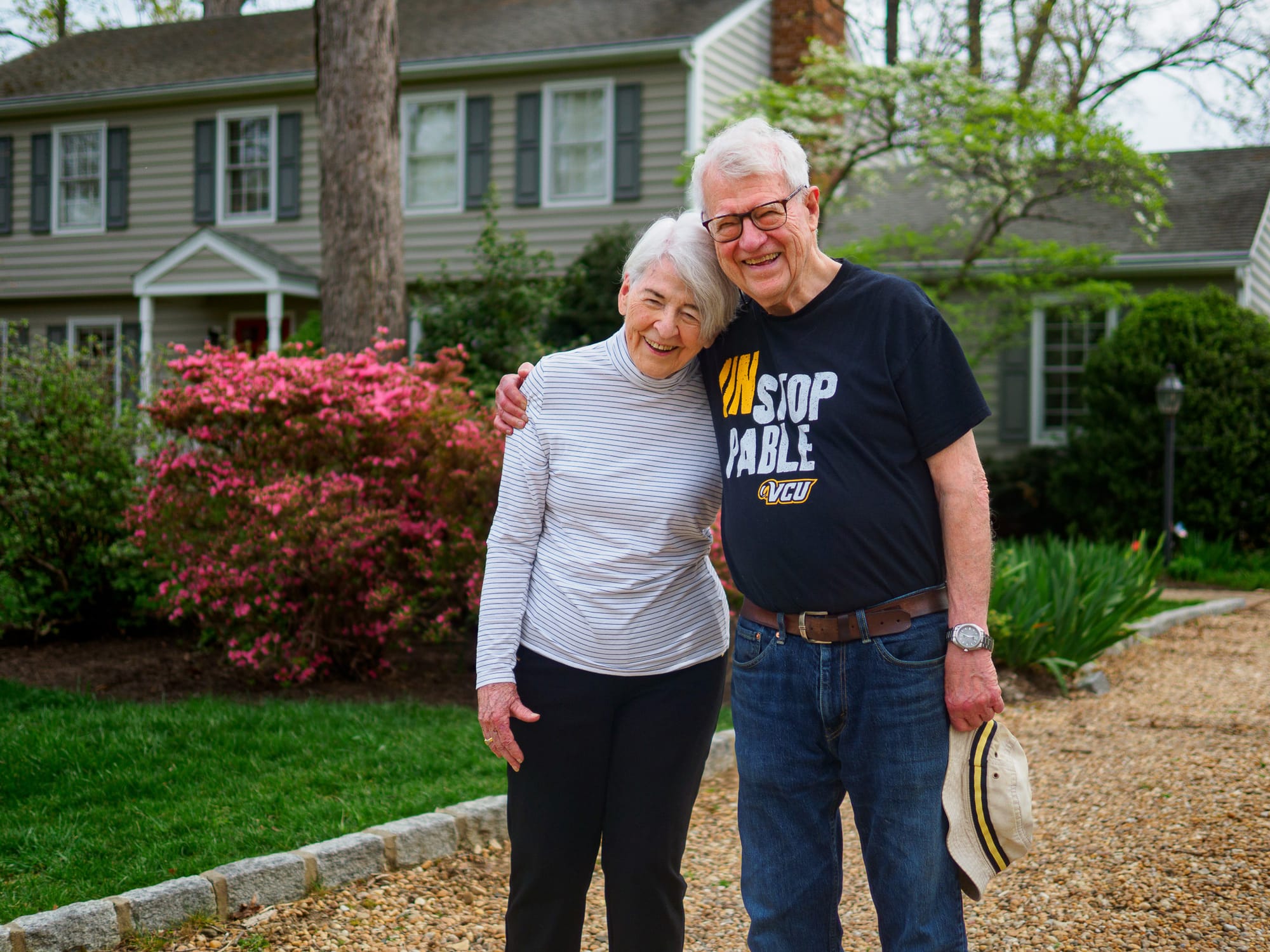
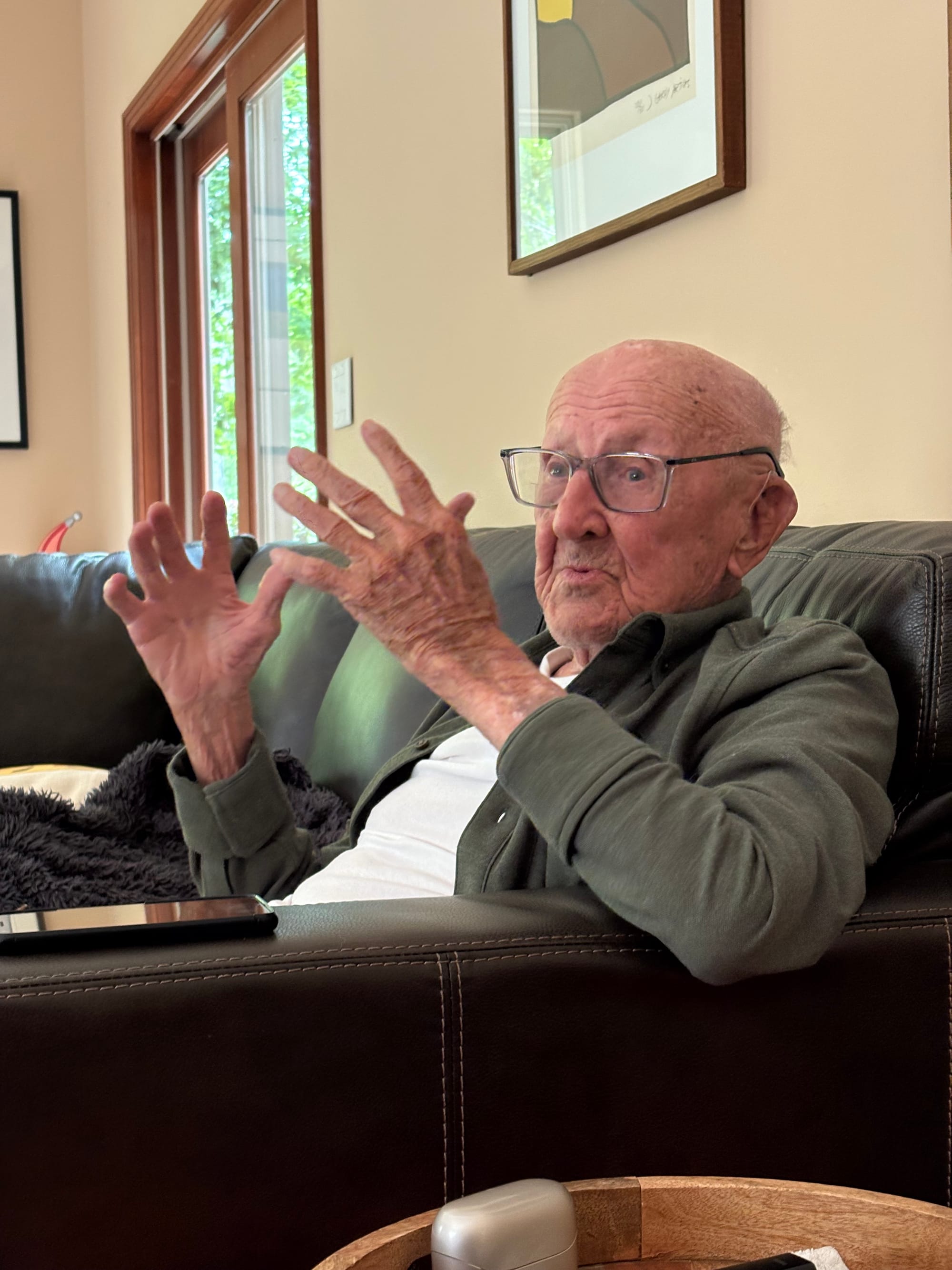
Joe is the father of Beth, and a friend of Steve. He was born in 1939, so he is now in his mid-eighties. I sat with him in his office in Muscatine, Iowa — the home of Musco Lighting — and listened as he spoke, with the perspective of a long life, about the importance of understanding.
In his view, it was a failure of understanding that laid the path to the Second World War. The Treaty of Versailles, he said, misunderstood what is needed to stop the cycle of war from repeating, again and again. The Marshall Plan, after the next war, did the opposite — and broke that cycle.
It was a simple insight, offered quietly across a desk, and I have never forgotten it: the importance of understanding to disarm hatred and cycles of violence.
Quality over quantity — really knowing one another
I want to close with something that sounds obvious and is anything but: that when it comes to human relationships, quality matters far more than quantity.
It is simply another way of talking about proximity, and about understanding.
Rwanda teaches us this, painfully.
The most agonising truth of the genocide is that knowing someone is not the same as truly knowing them — or, for that matter, truly knowing ourselves.
In Rwanda, neighbours killed neighbours. People who believed they knew one another became one another’s killers and victims. The labels, prejudice and hateful ideology ran deeper than the relationships.
In Champions, we have tried to answer that with practical tools — to spark genuine human connection.
One is the Humanity Badge, which we developed at the Memorial in 2018: a simple badge carrying a symbol of humanity.
It is worn not for decoration, but as a prompt — a reason for people to begin a conversation they might never otherwise have had about what humanity means to them, and then to share a Story of Humanity.
It starts a journey, a conversation. It asks a question. It holds up a mirror, opens a doorway to understanding.
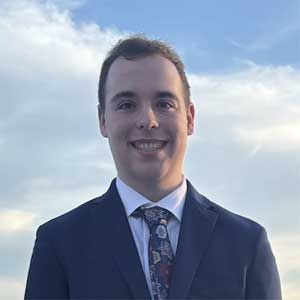
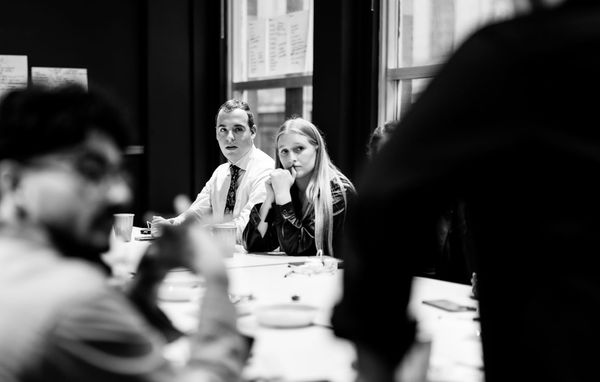
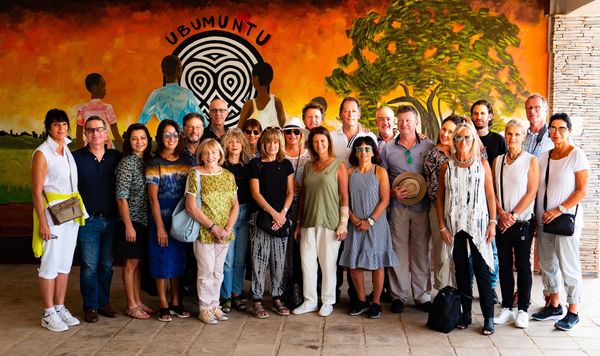
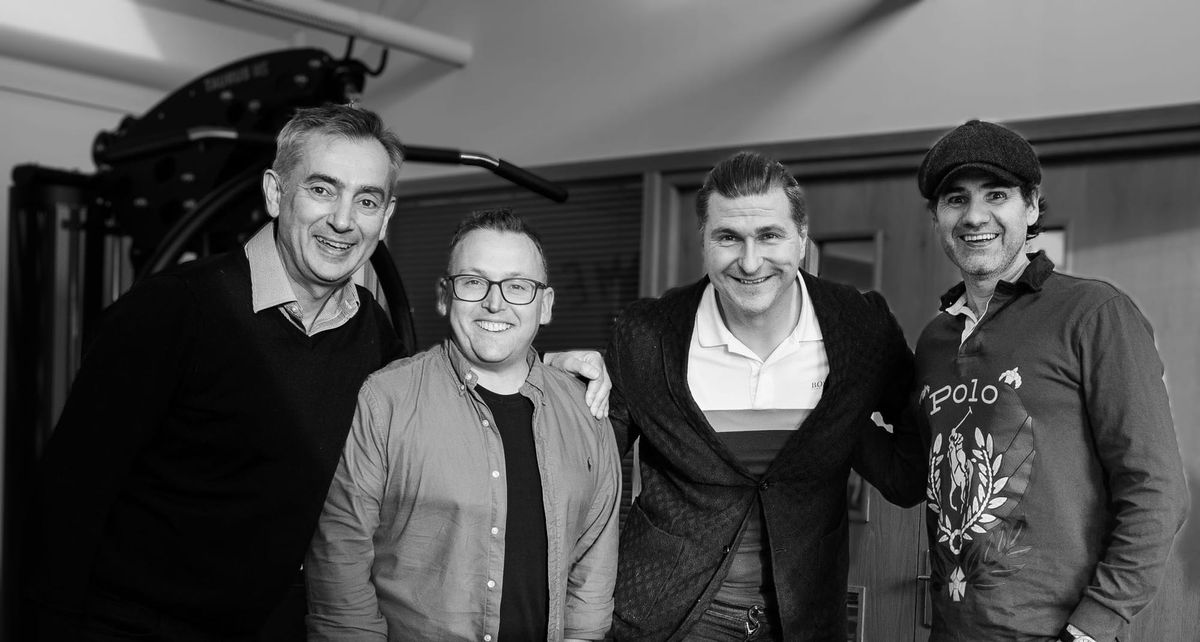
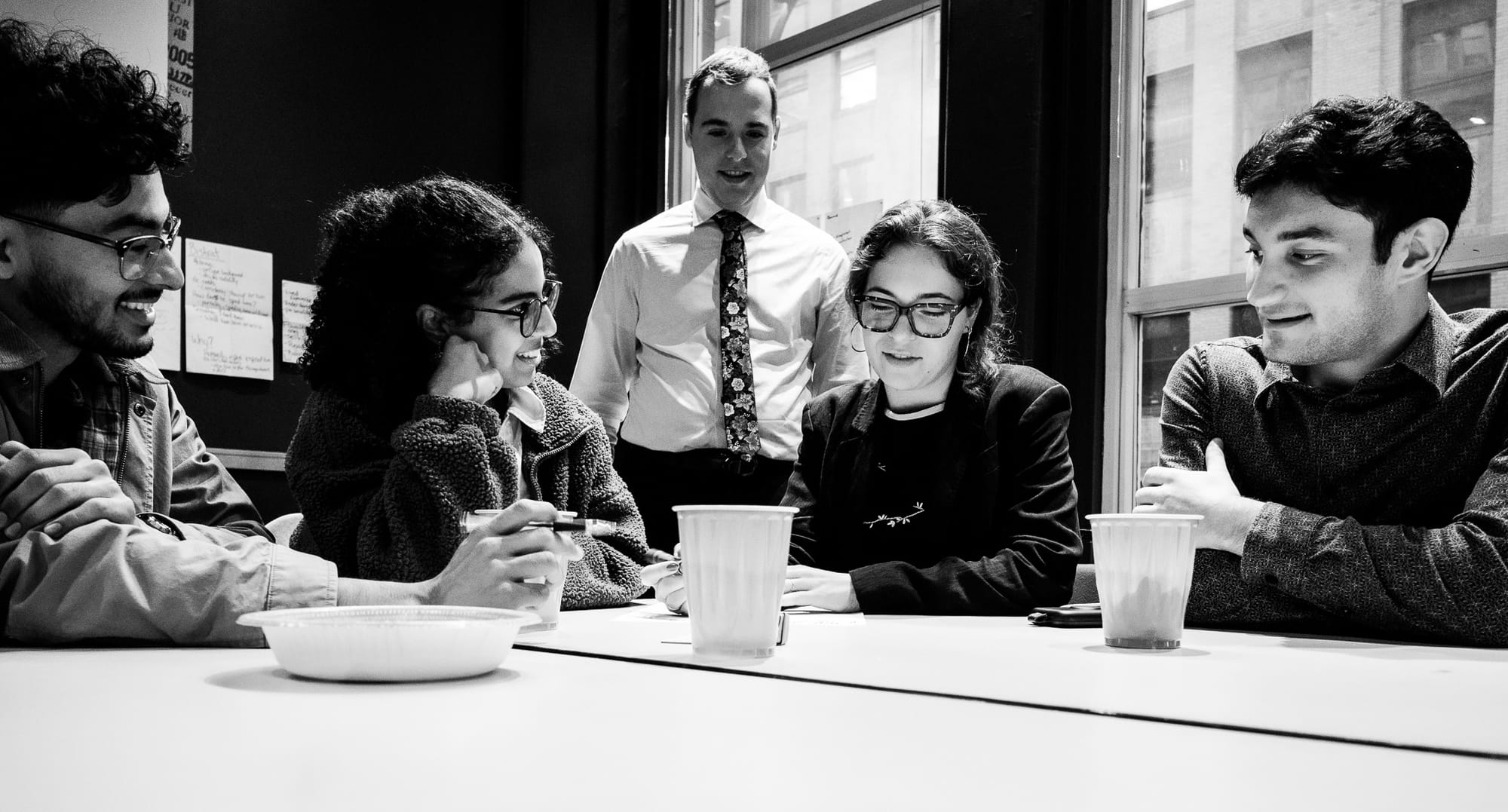
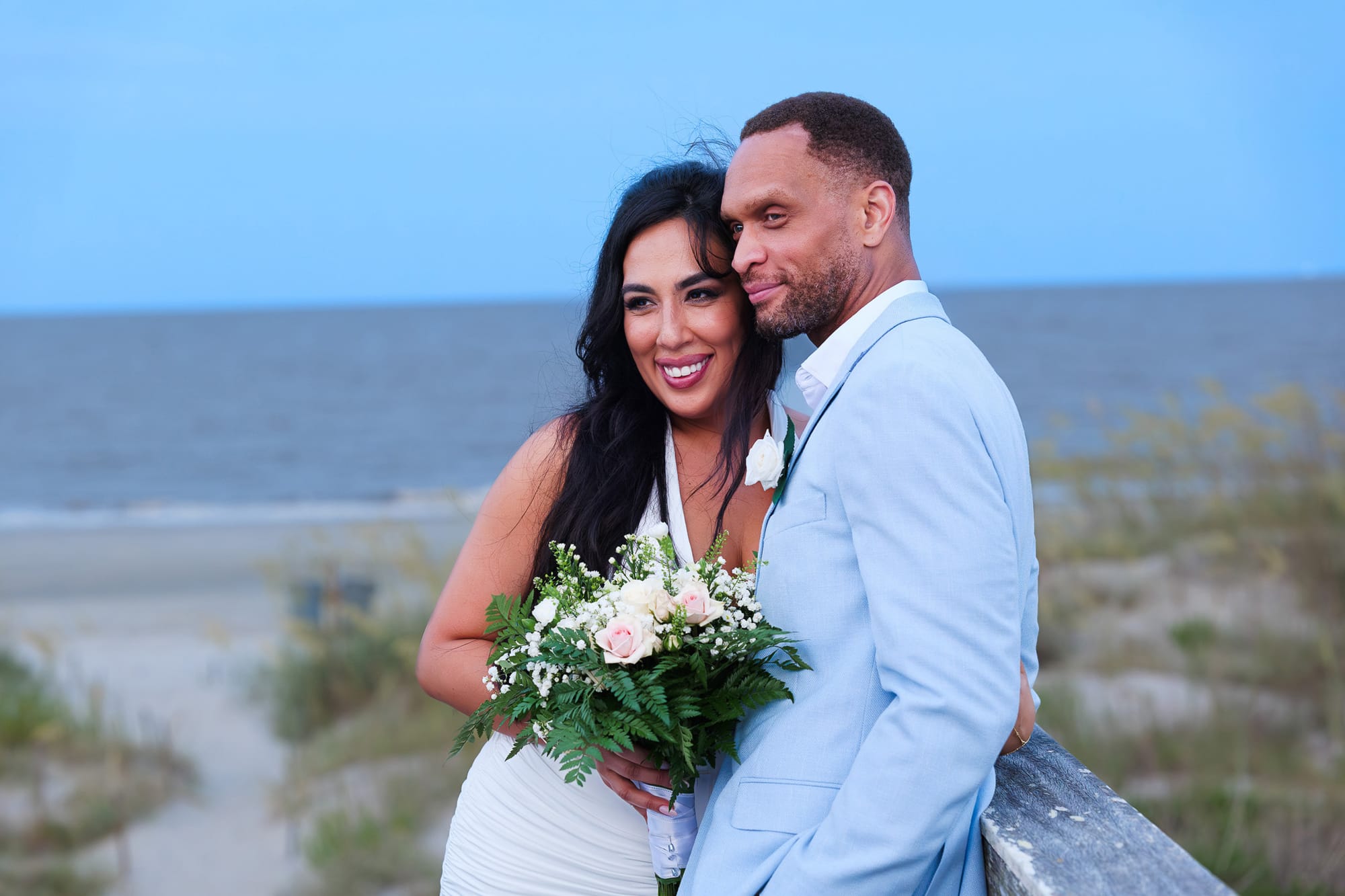
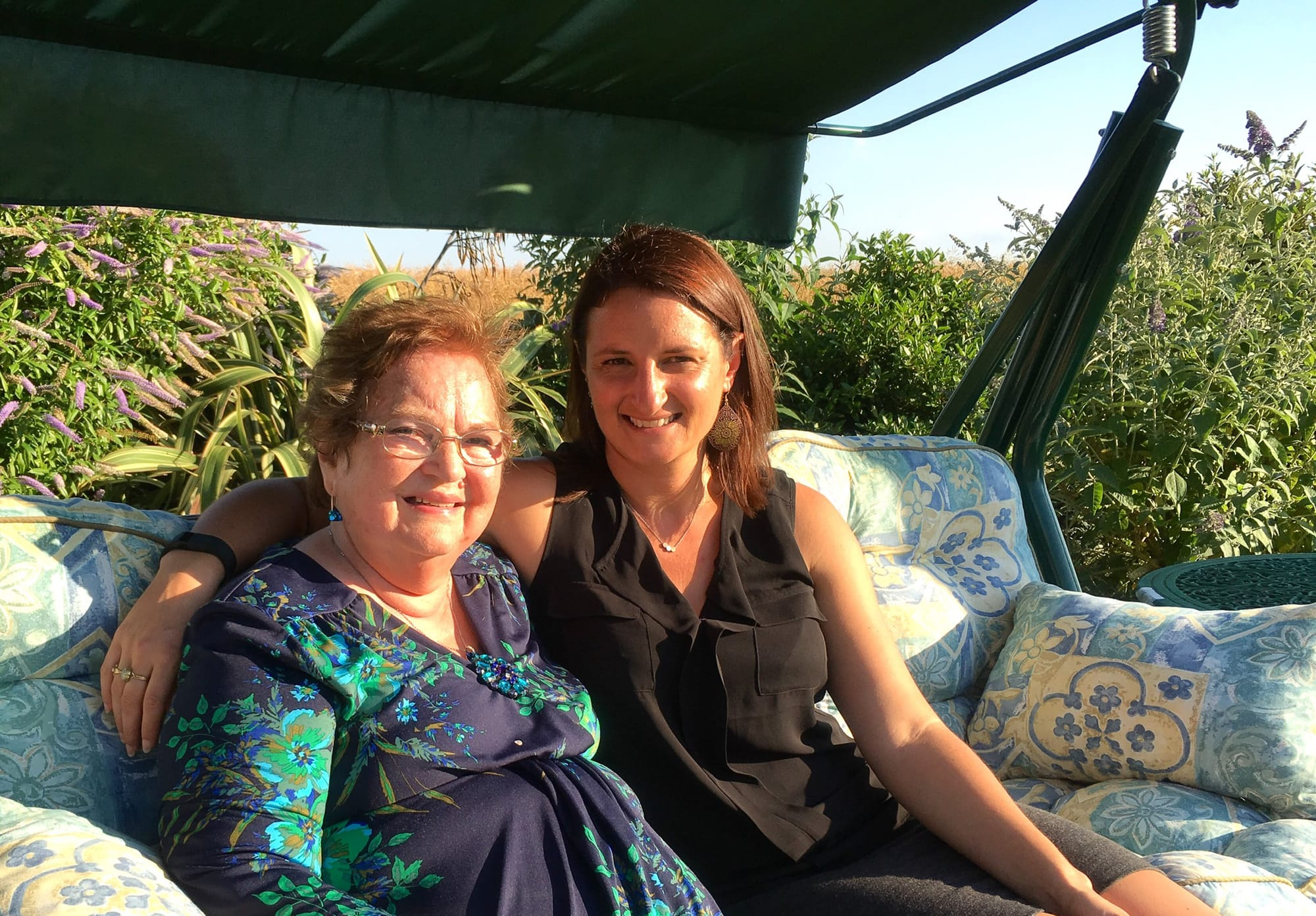
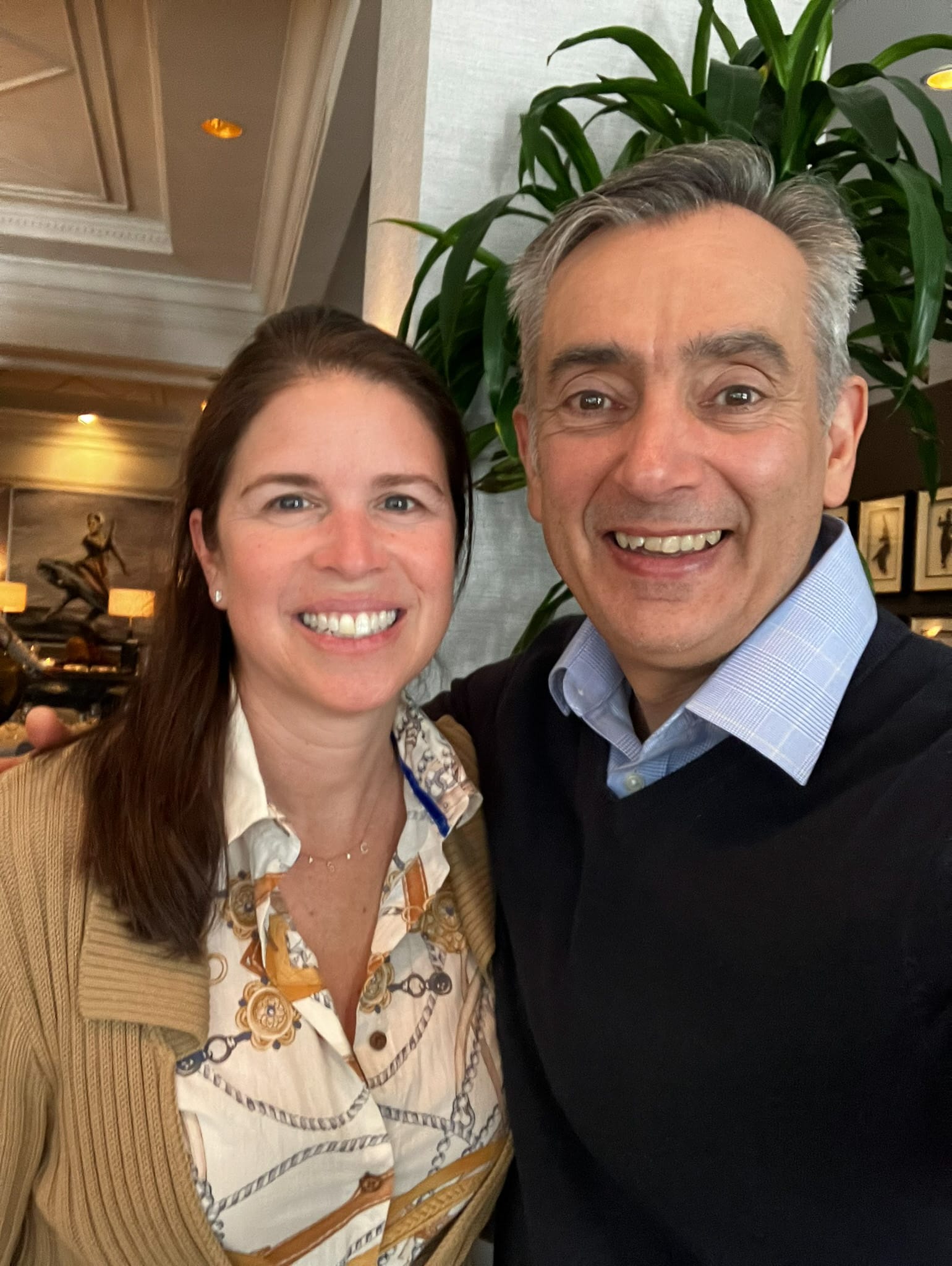
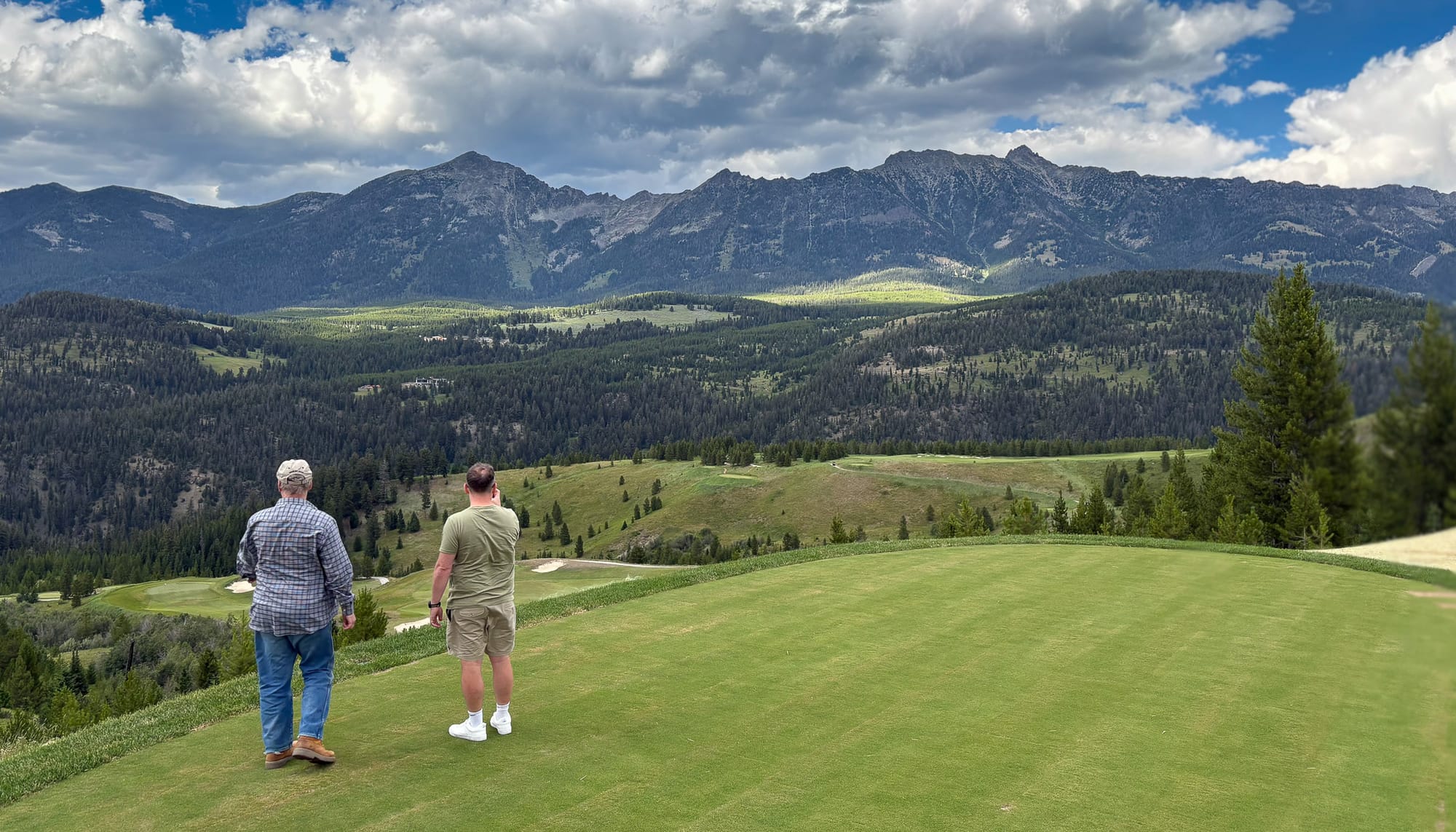
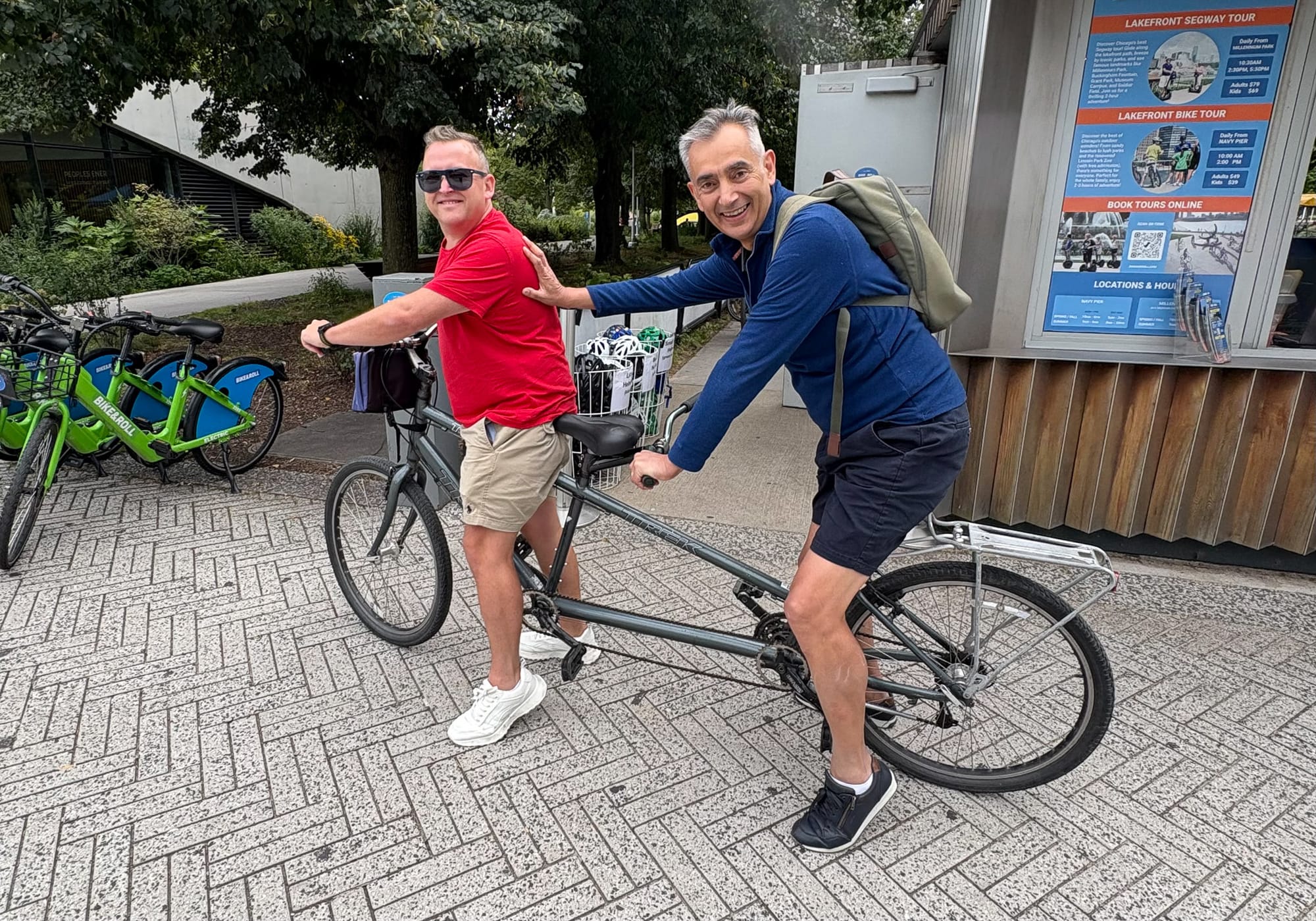
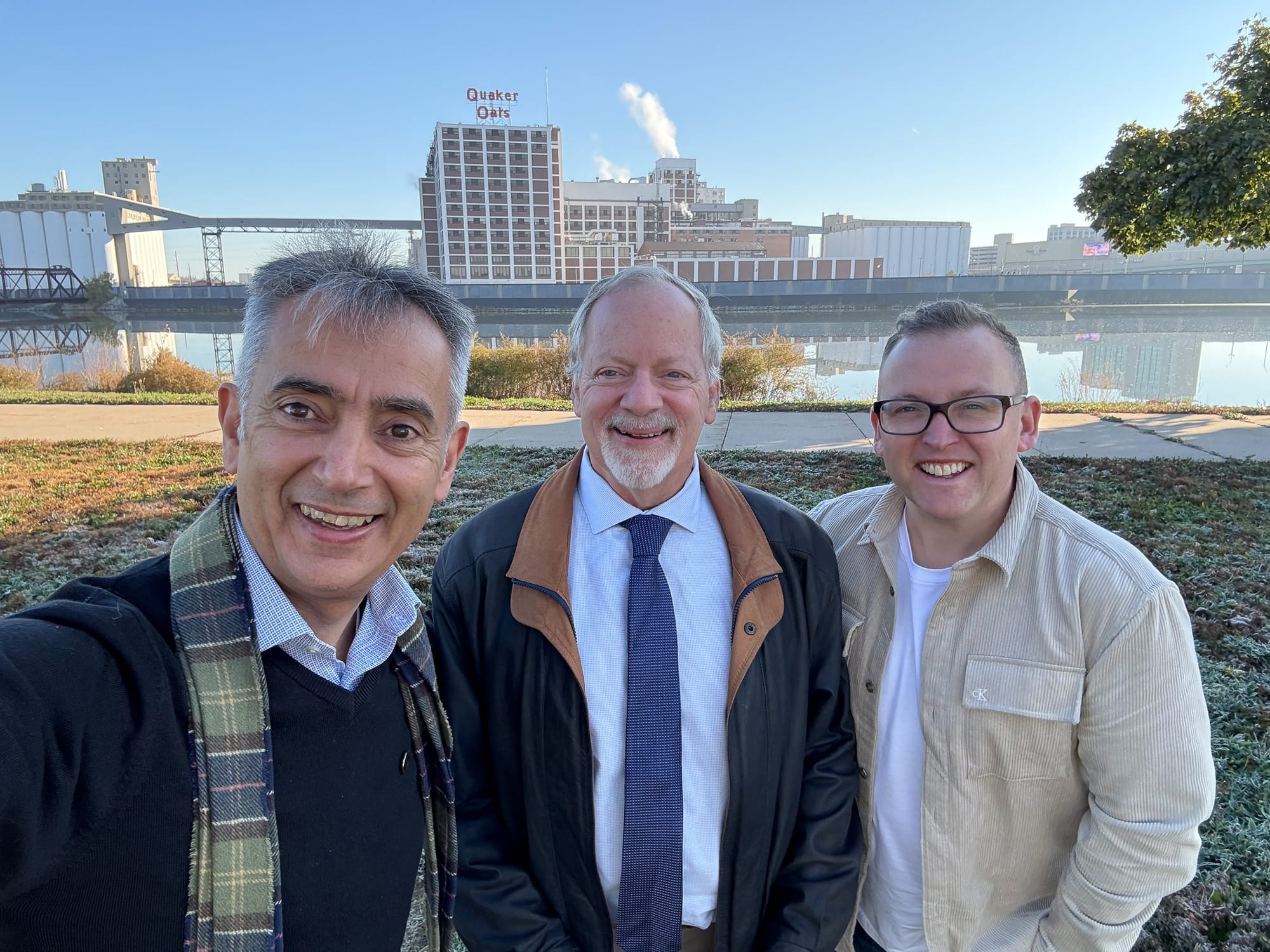
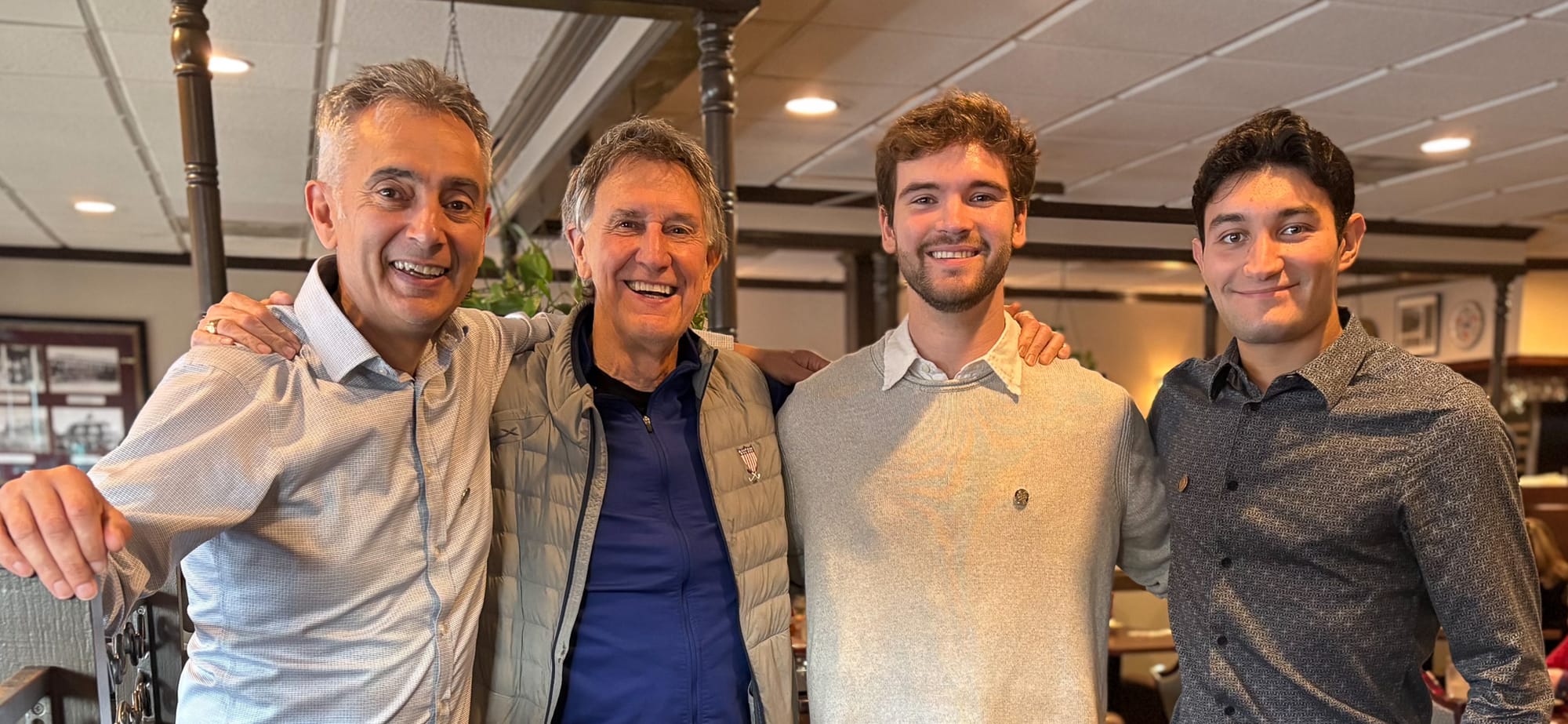
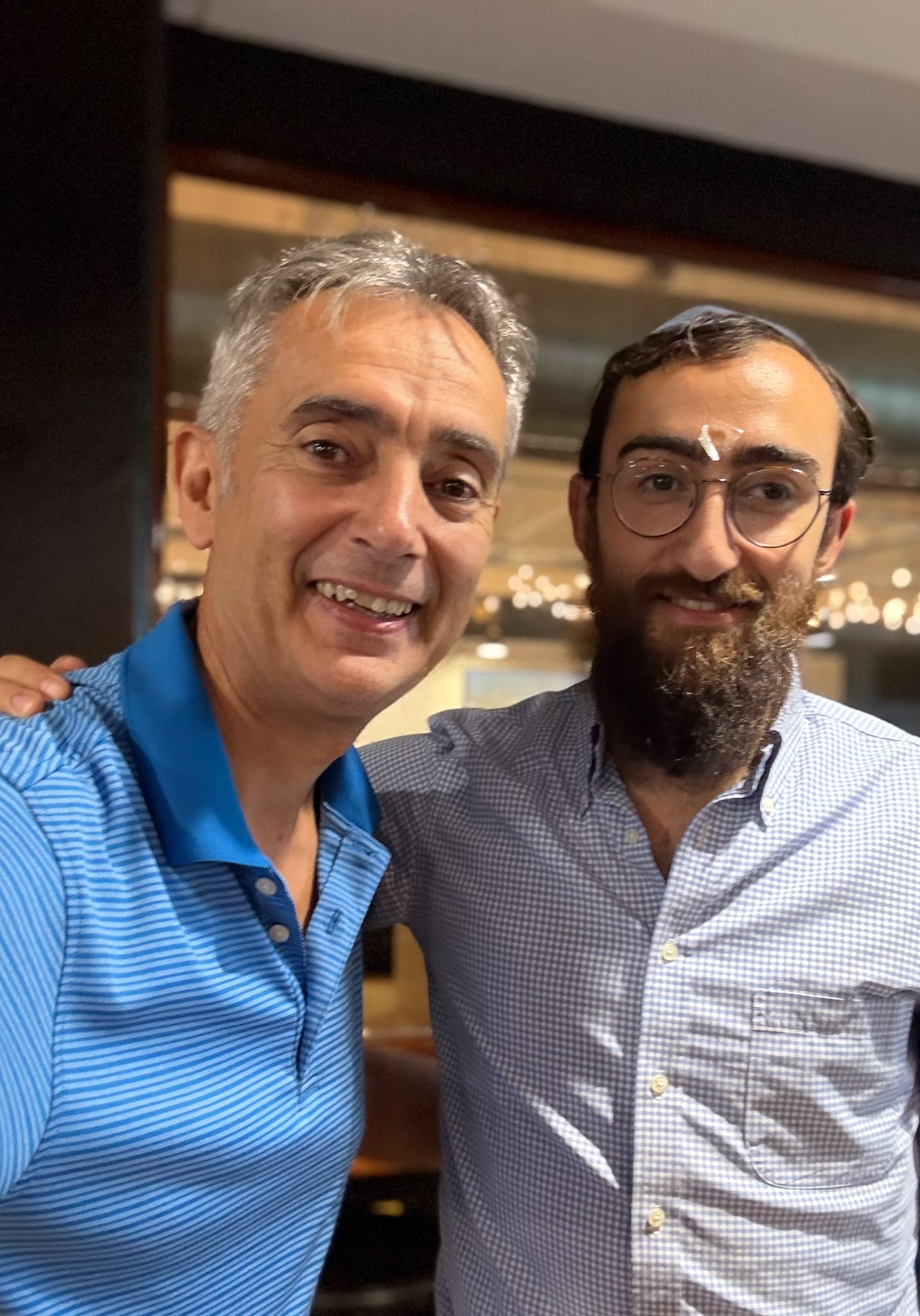
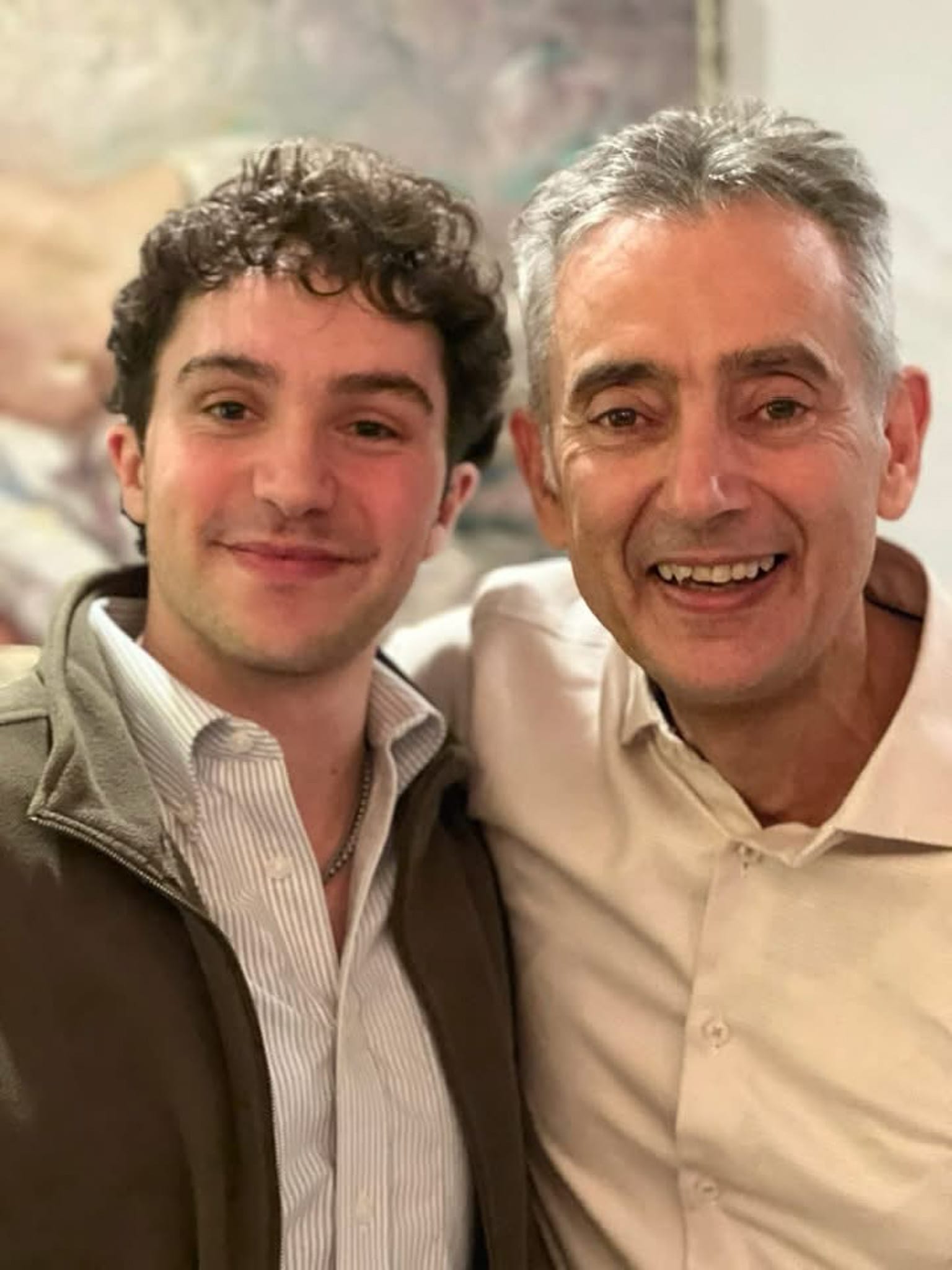
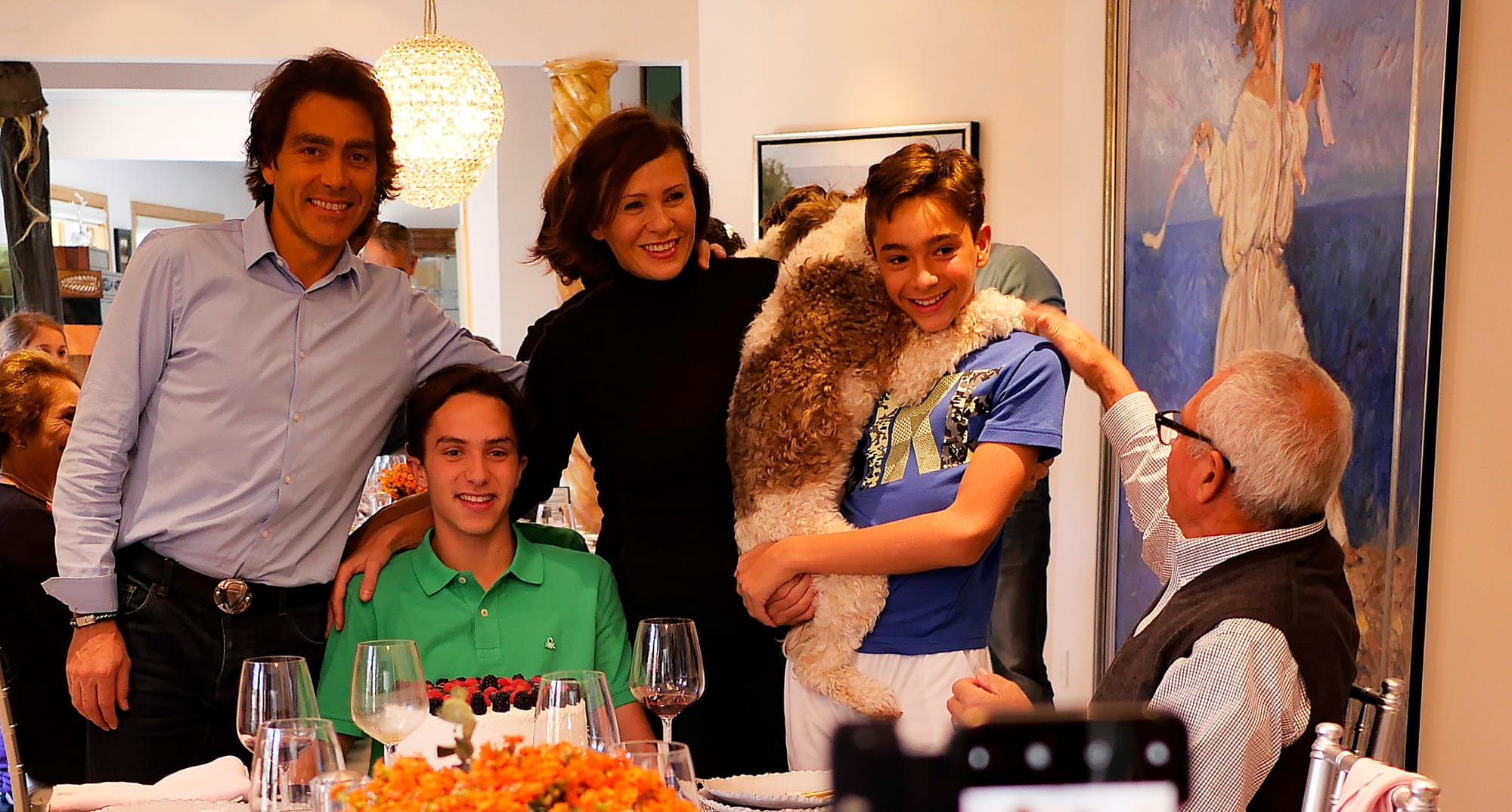
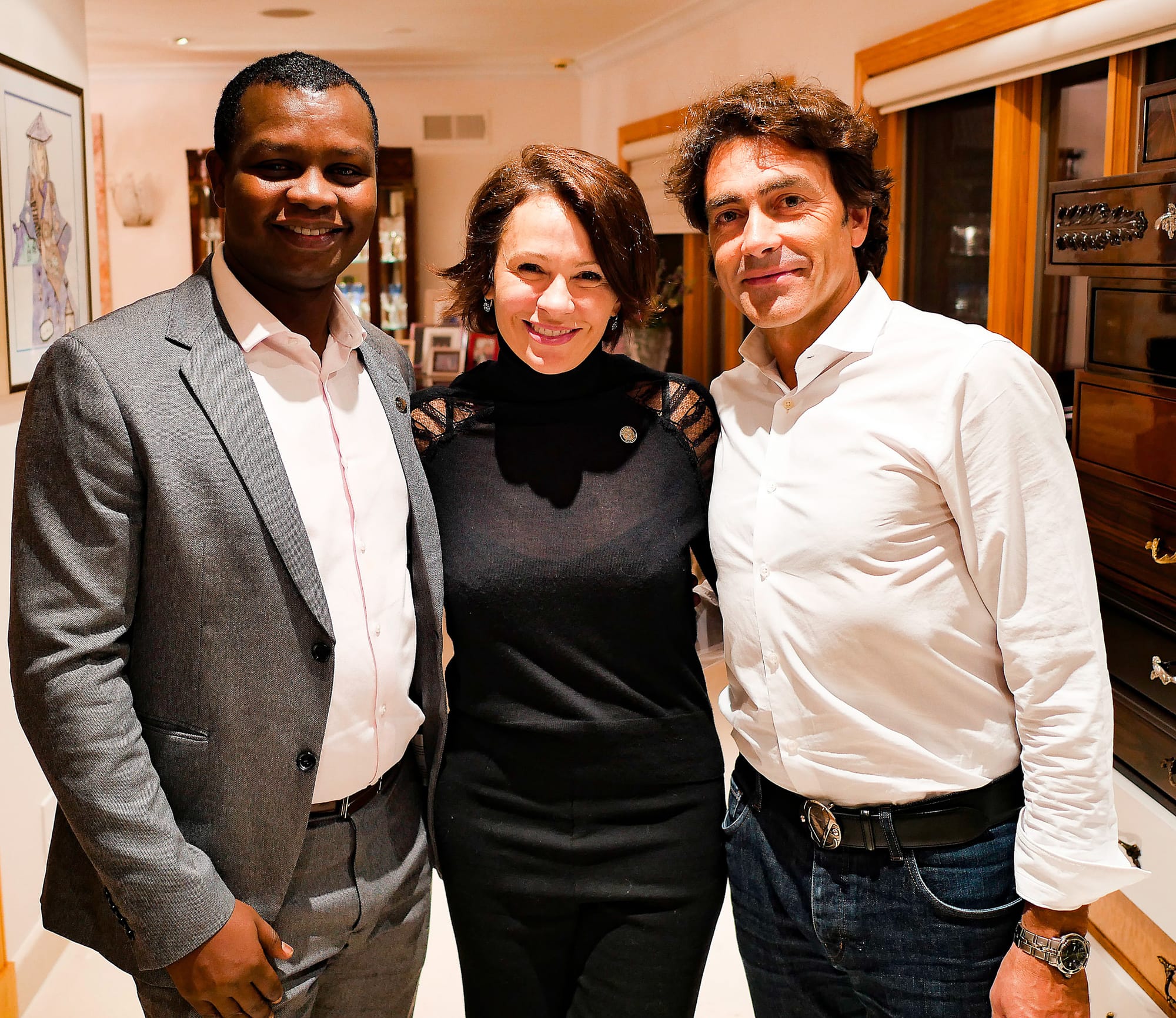
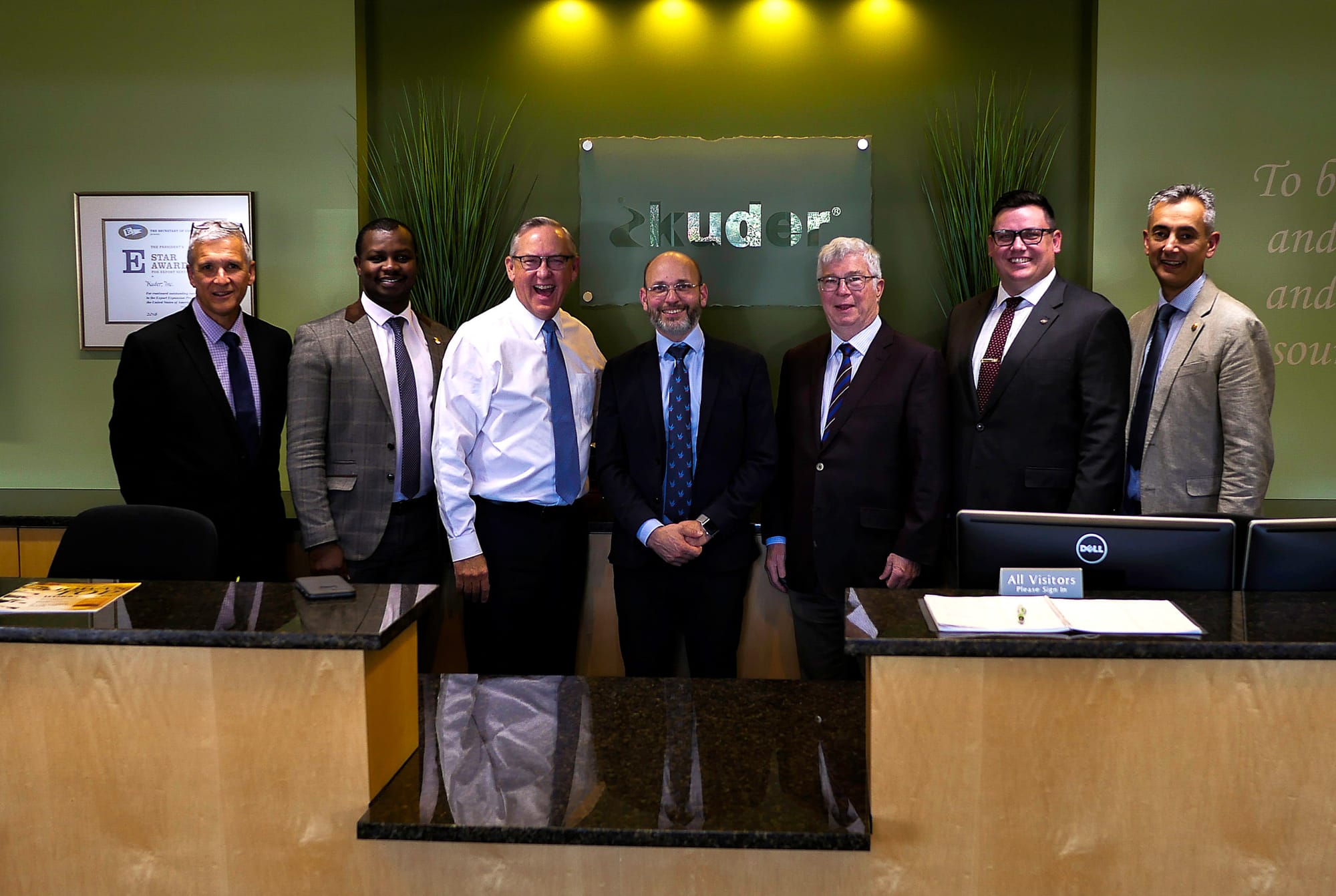
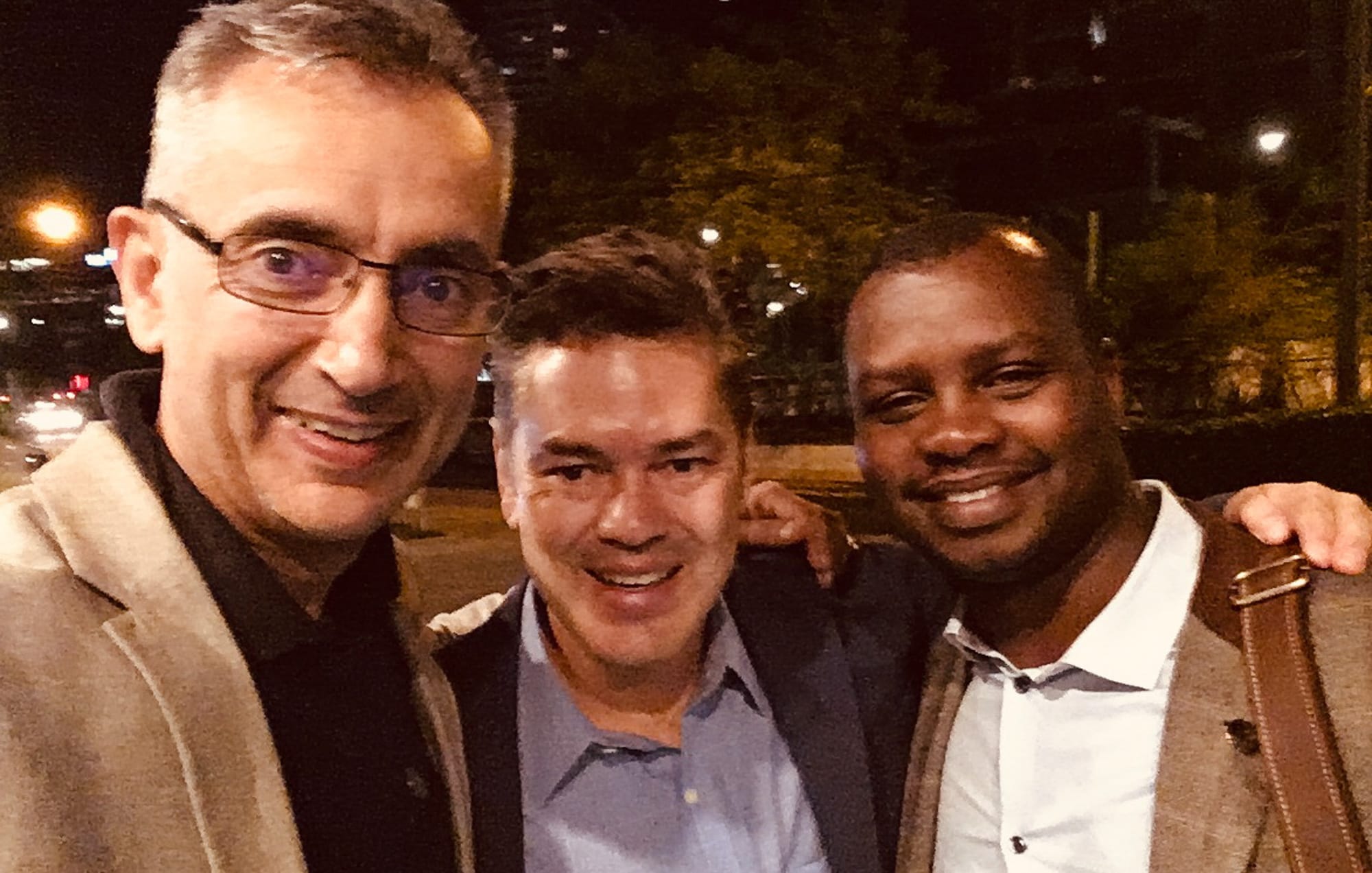
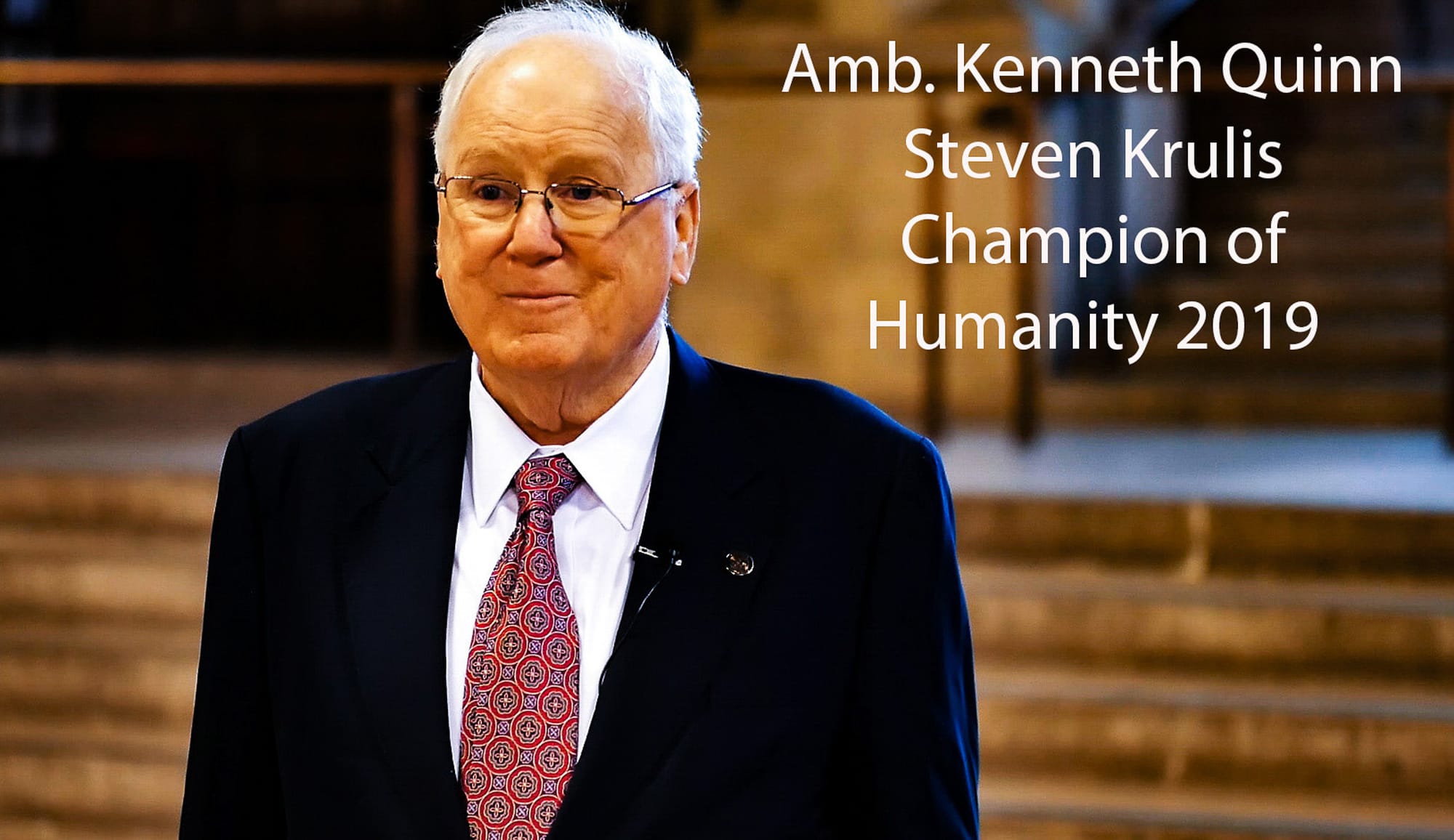
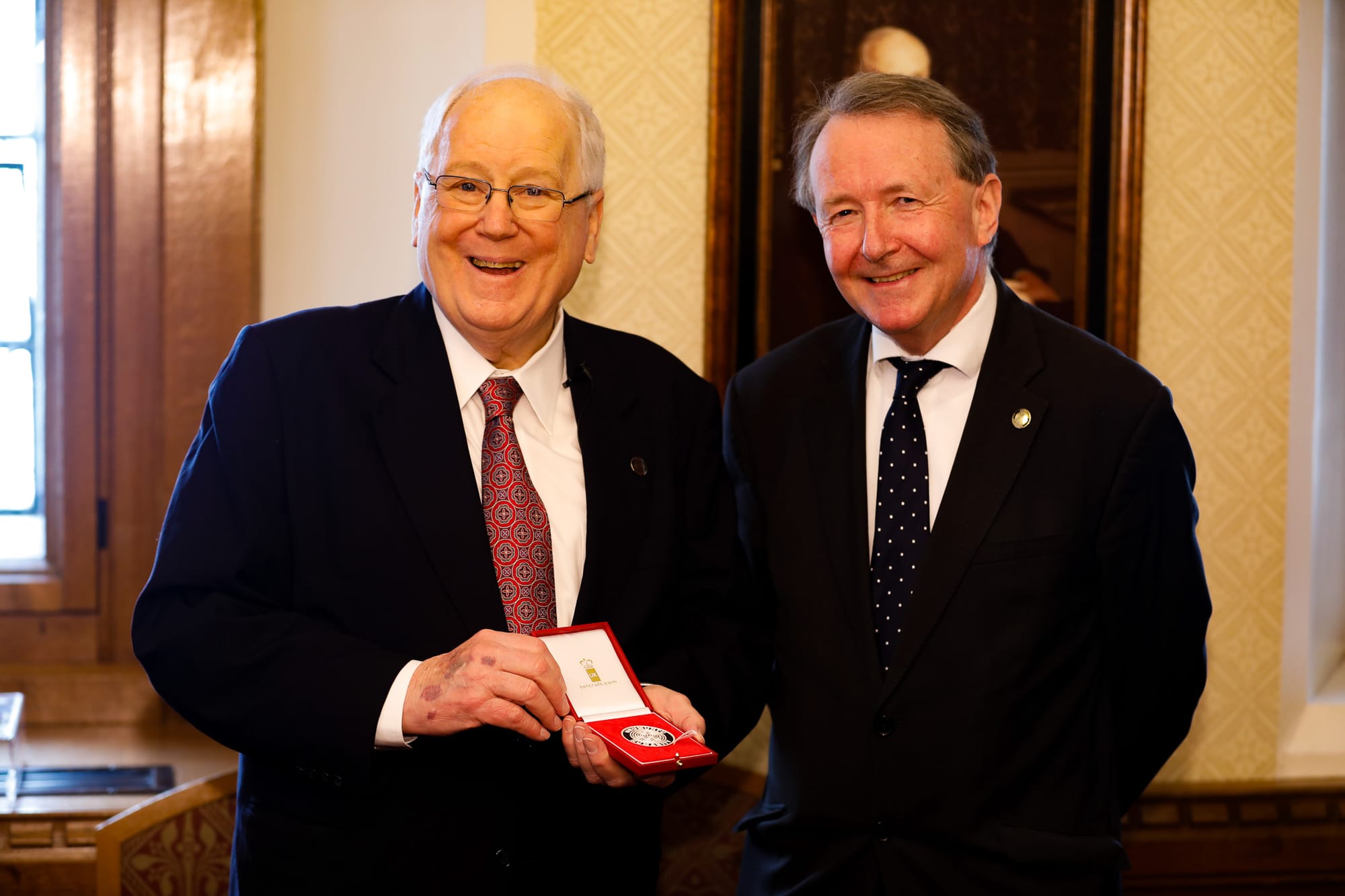
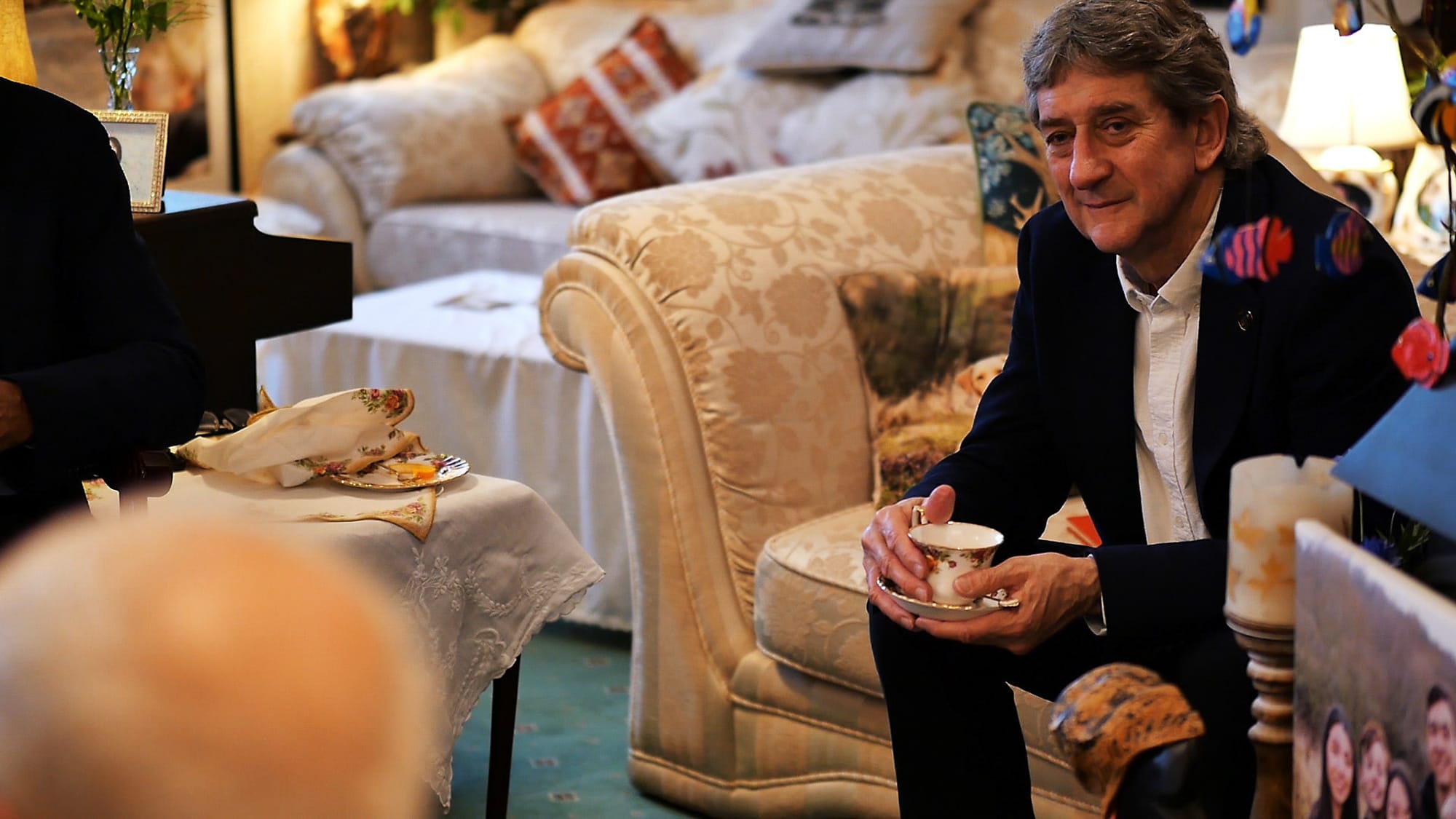
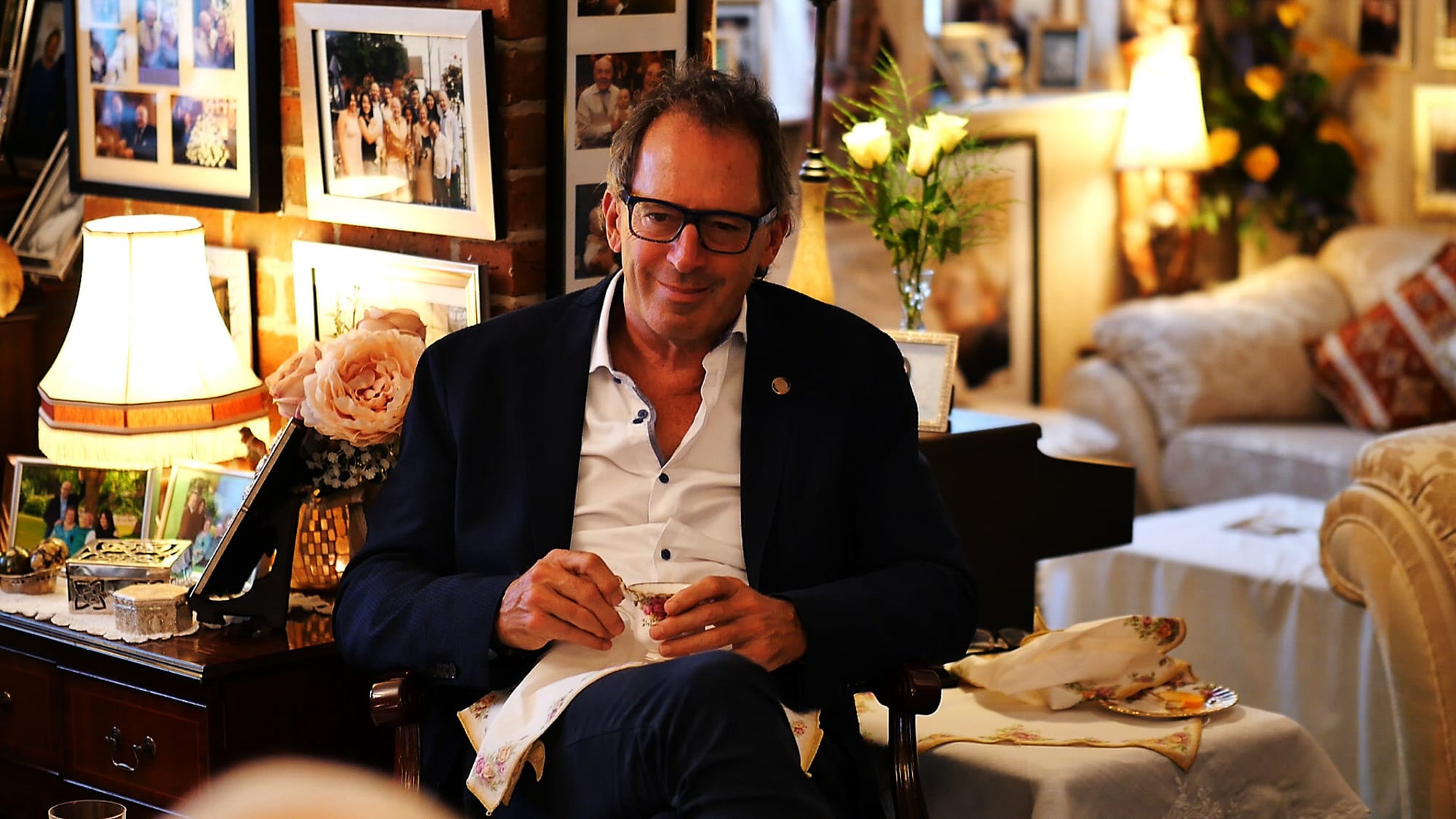
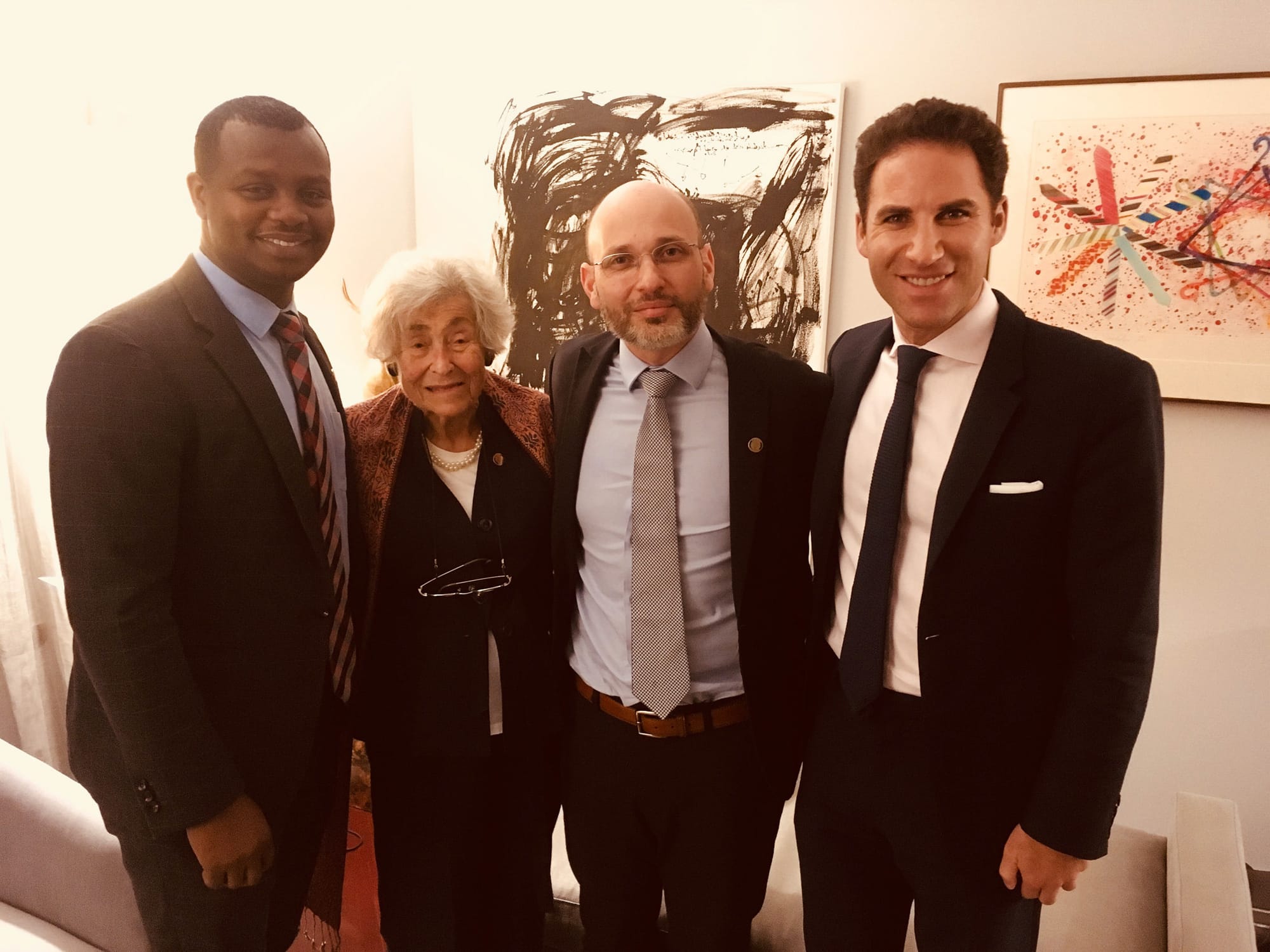
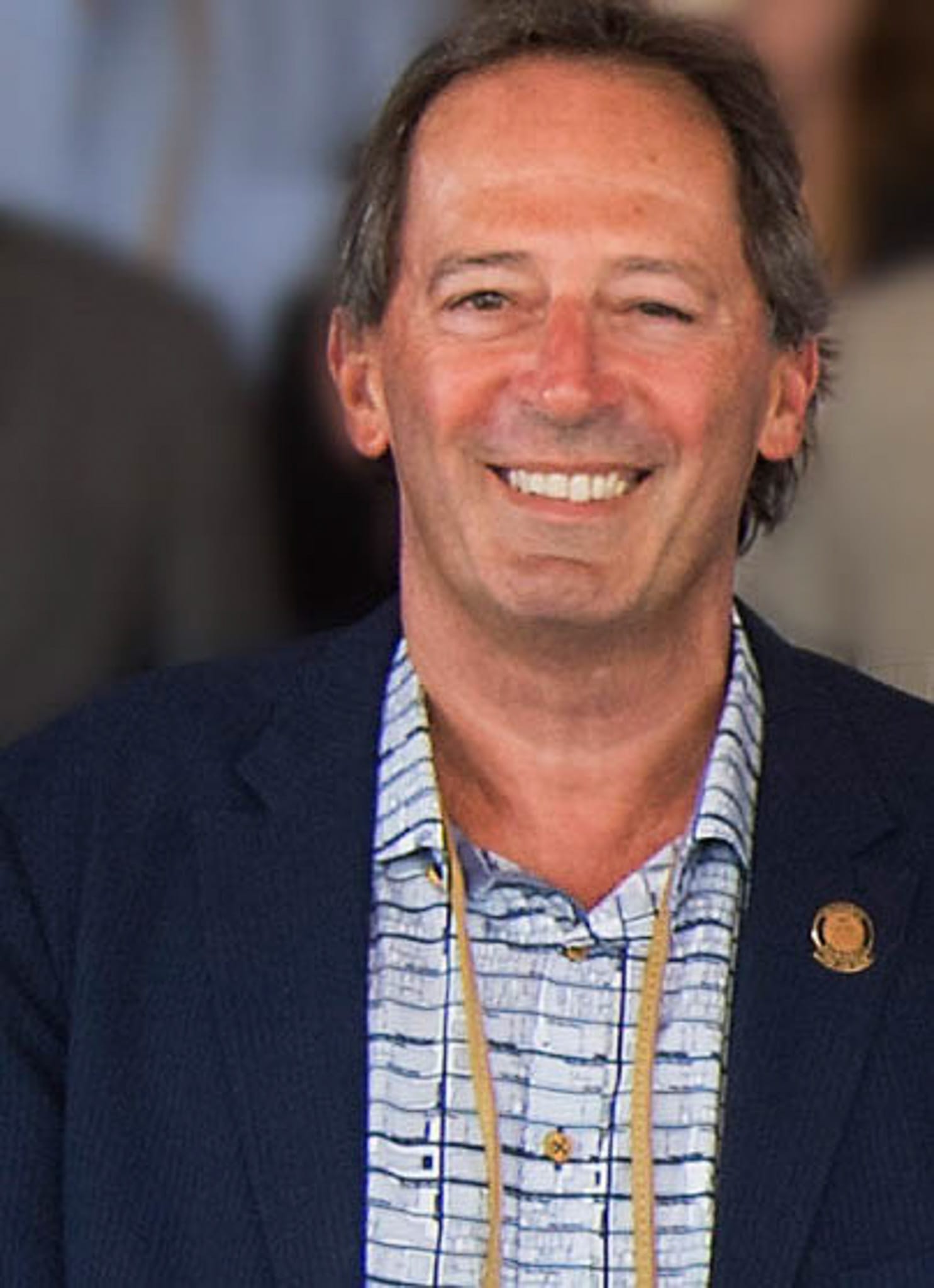
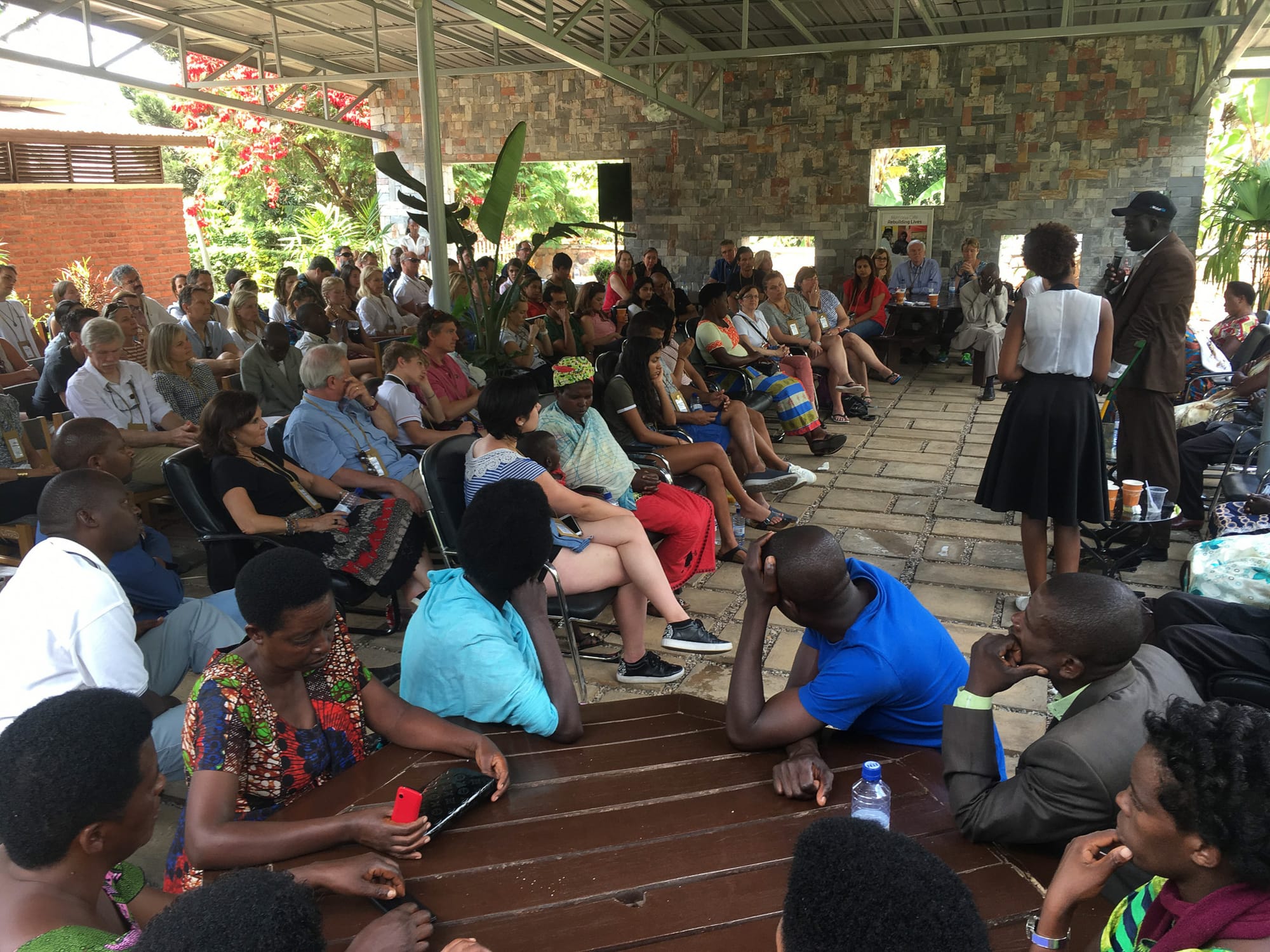
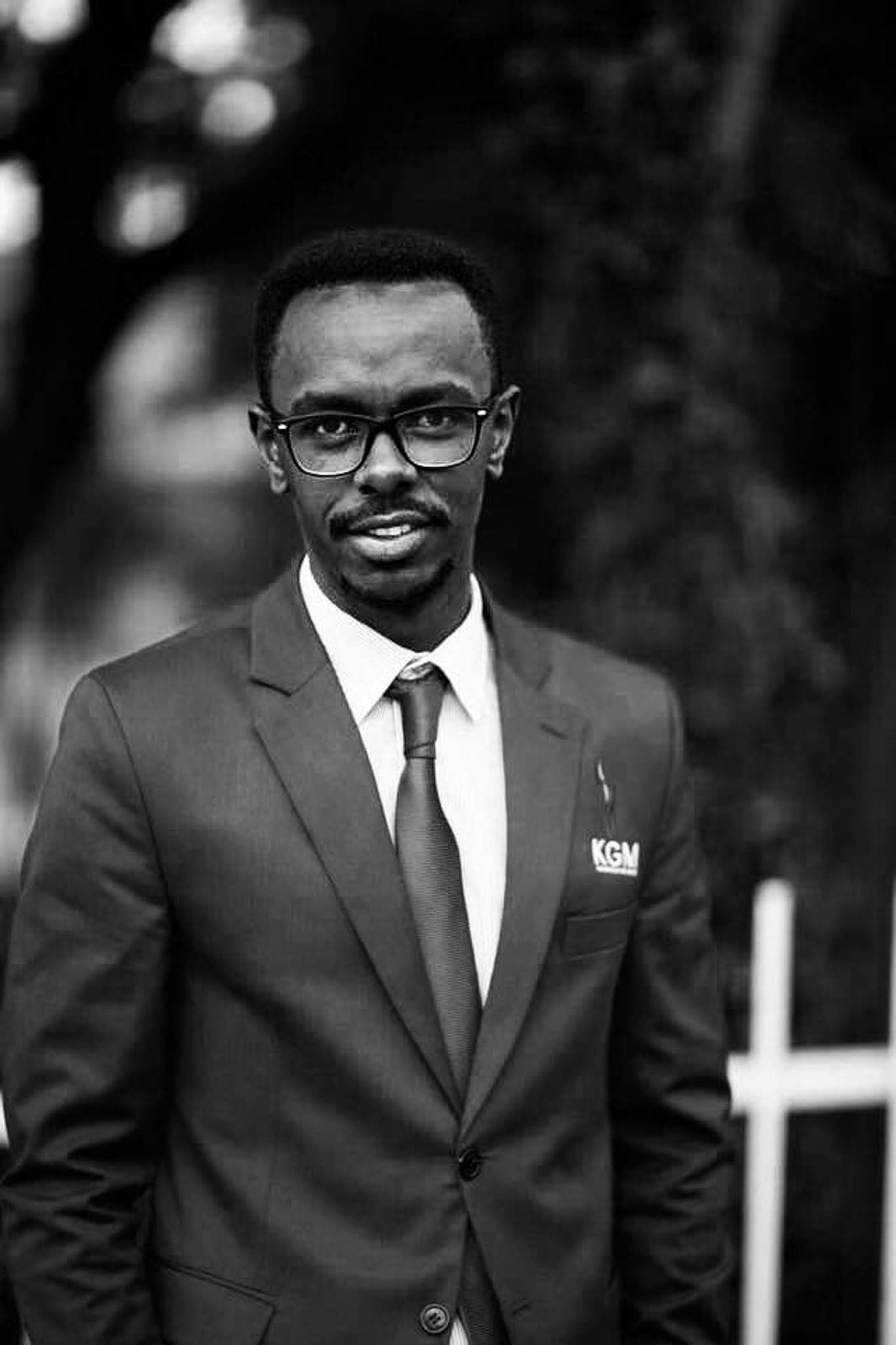
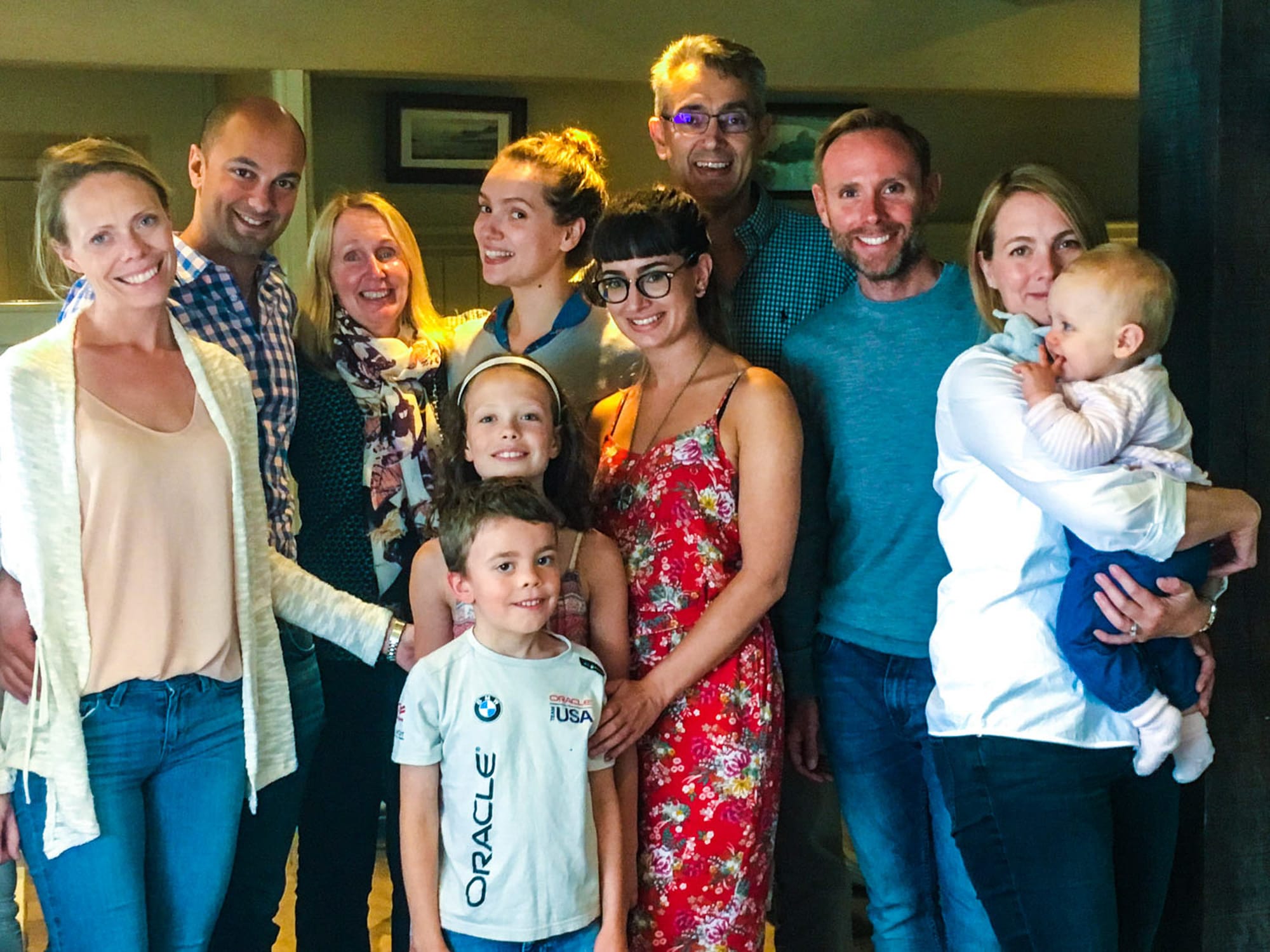
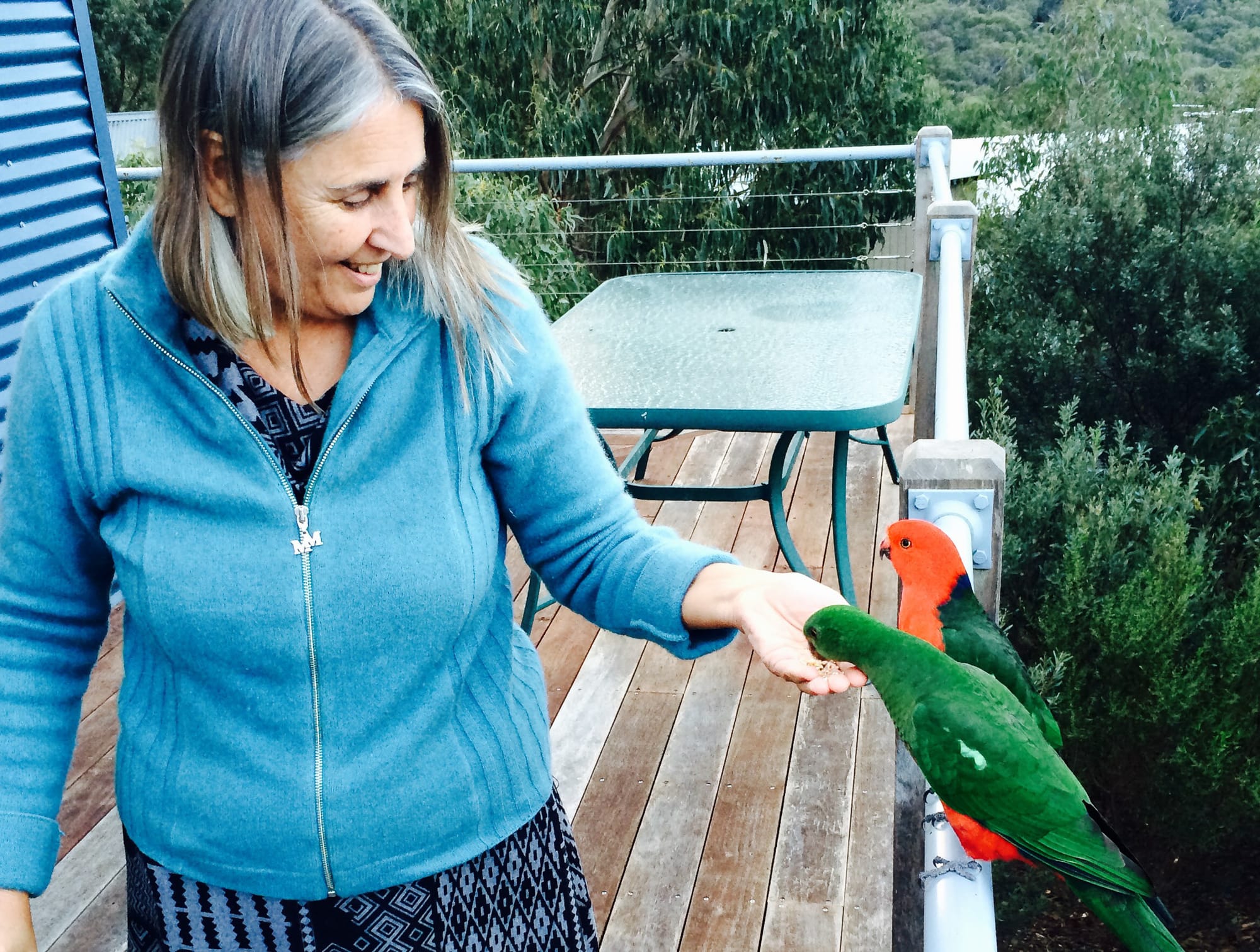
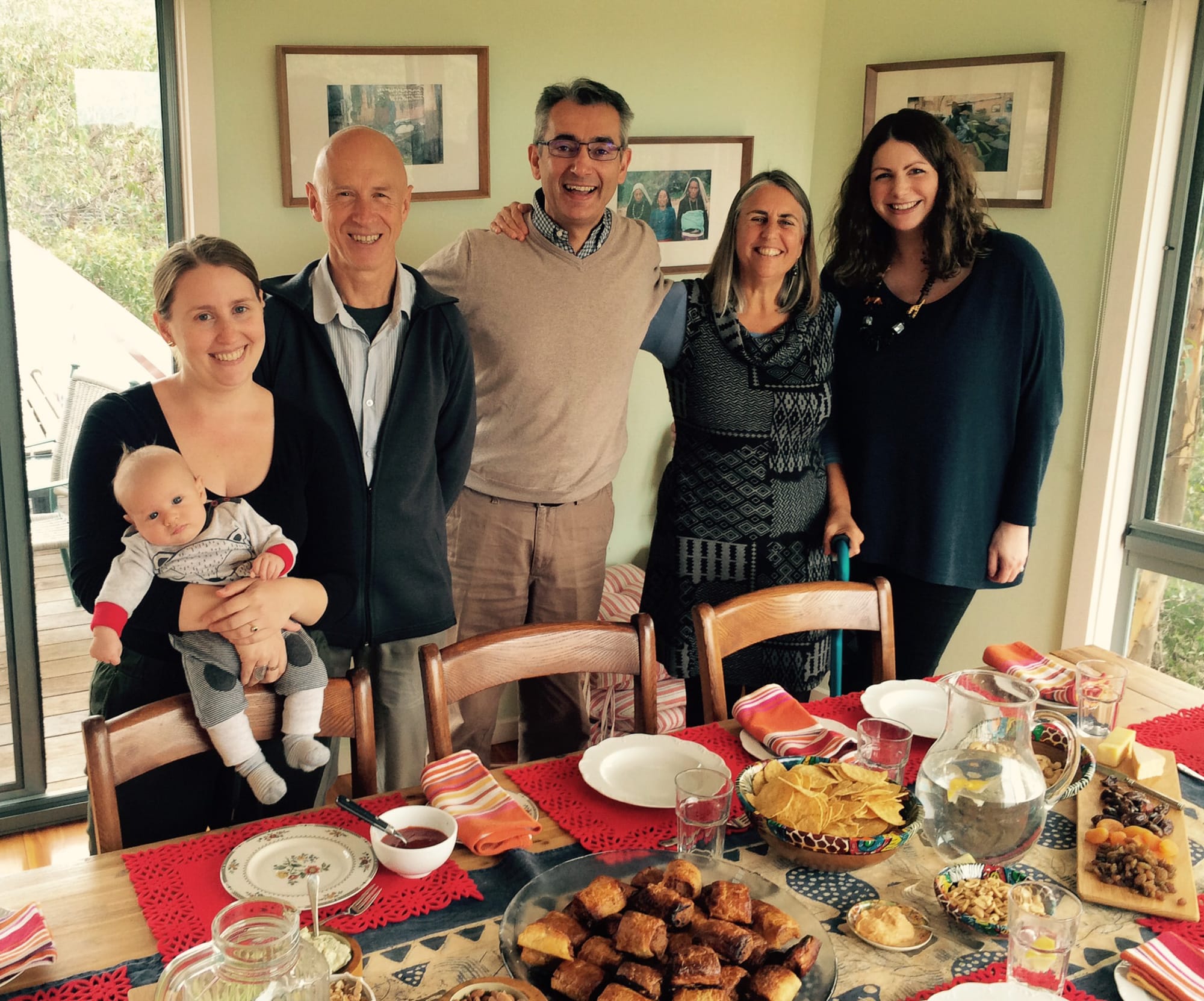
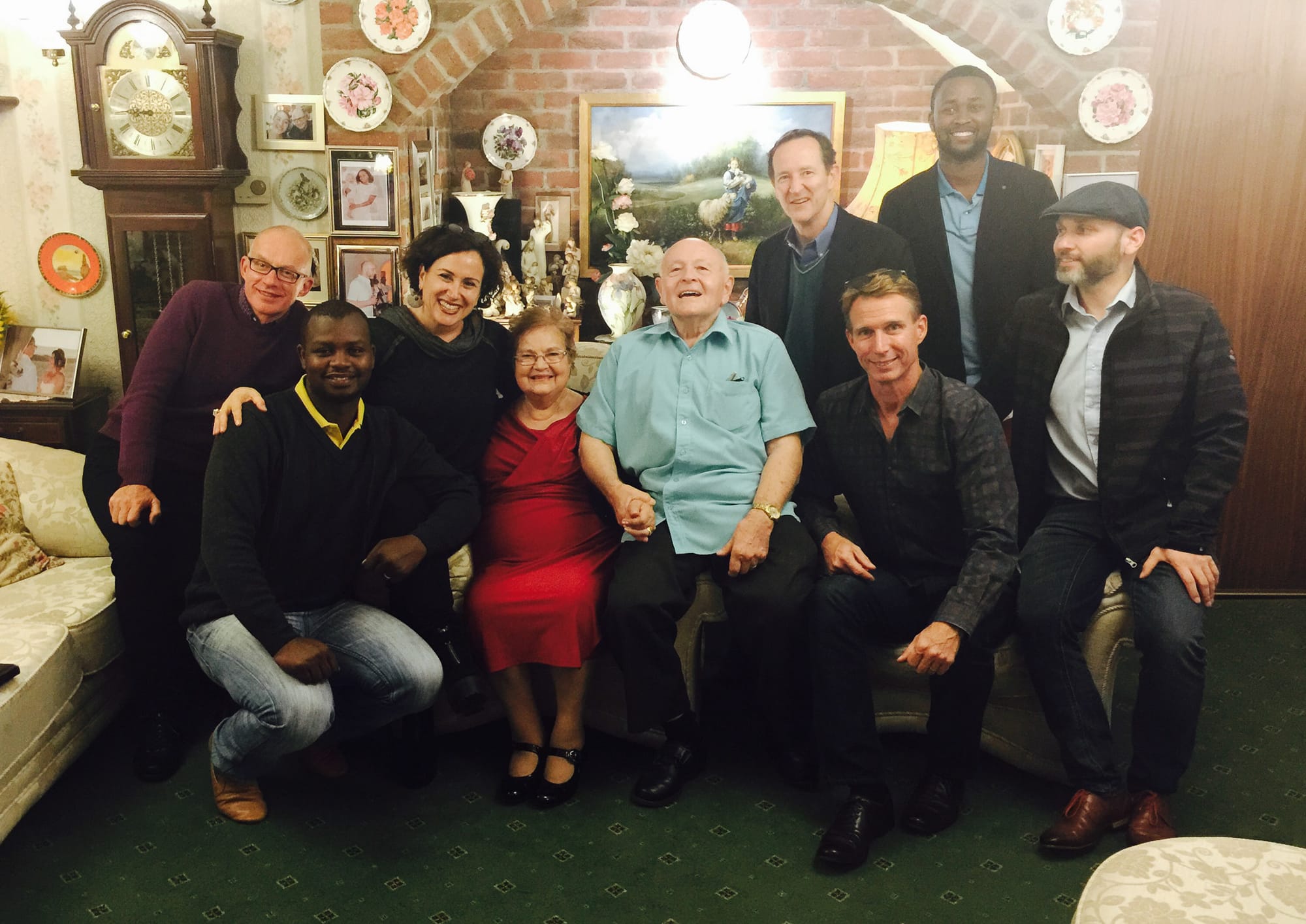
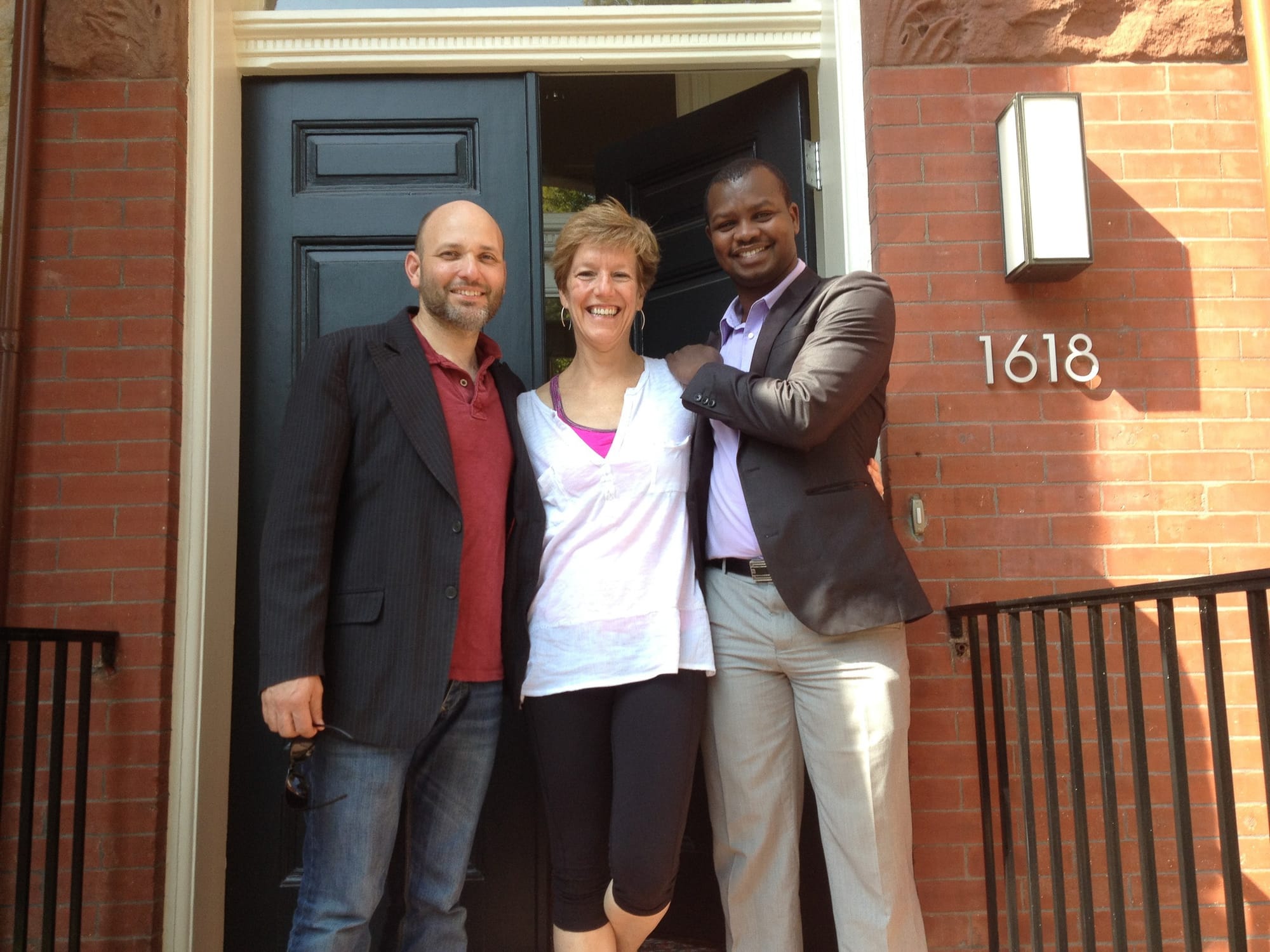
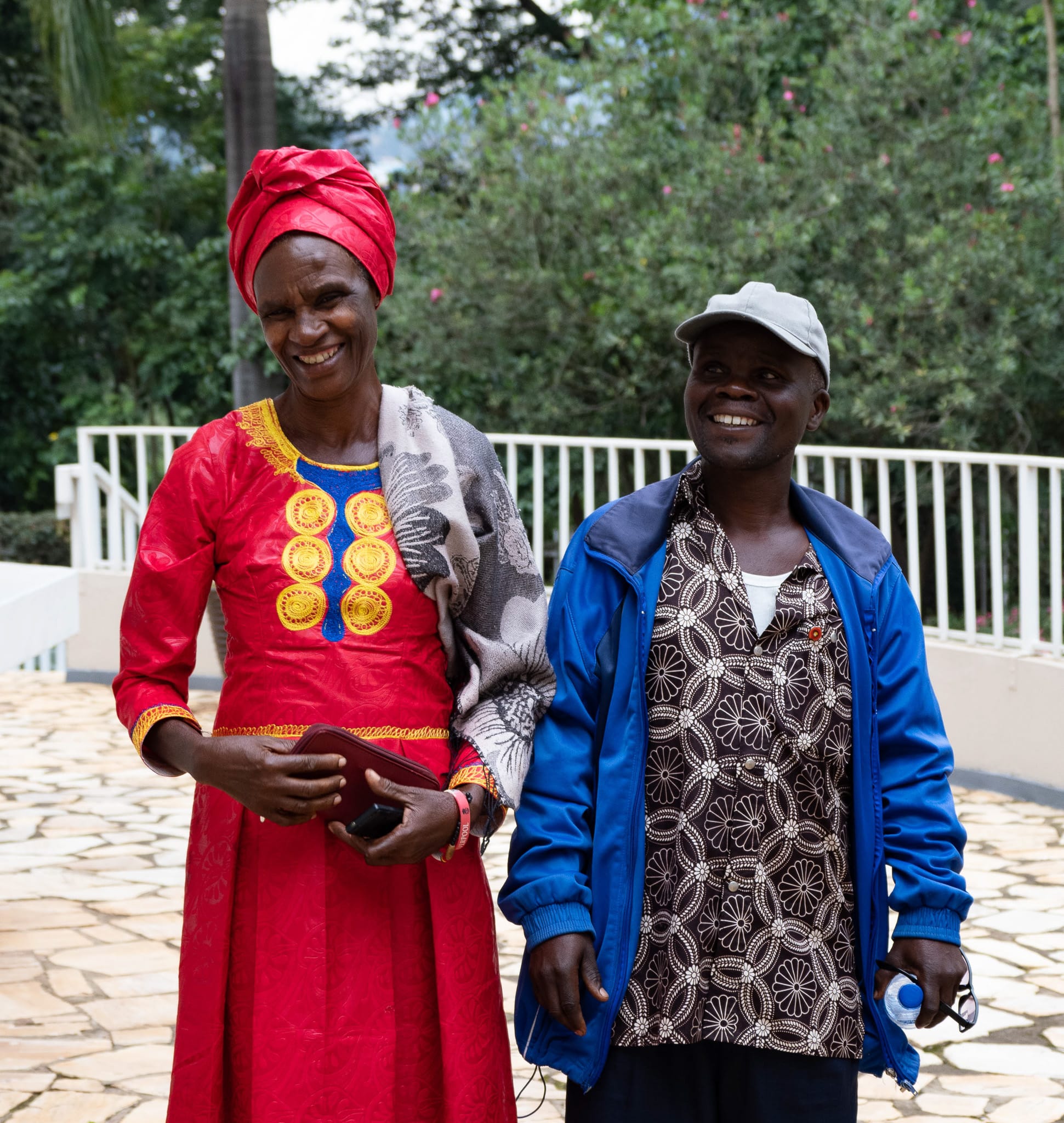
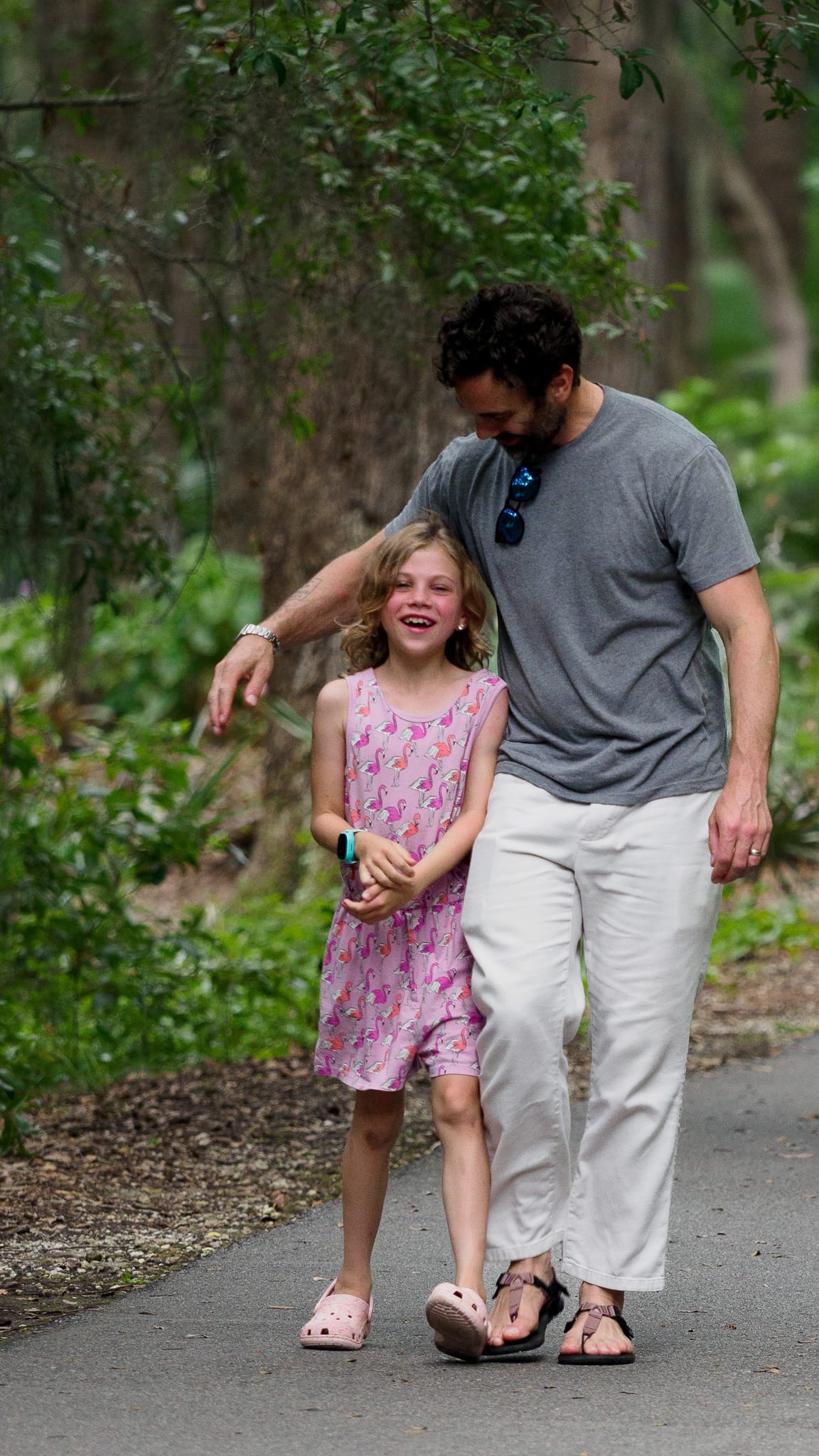
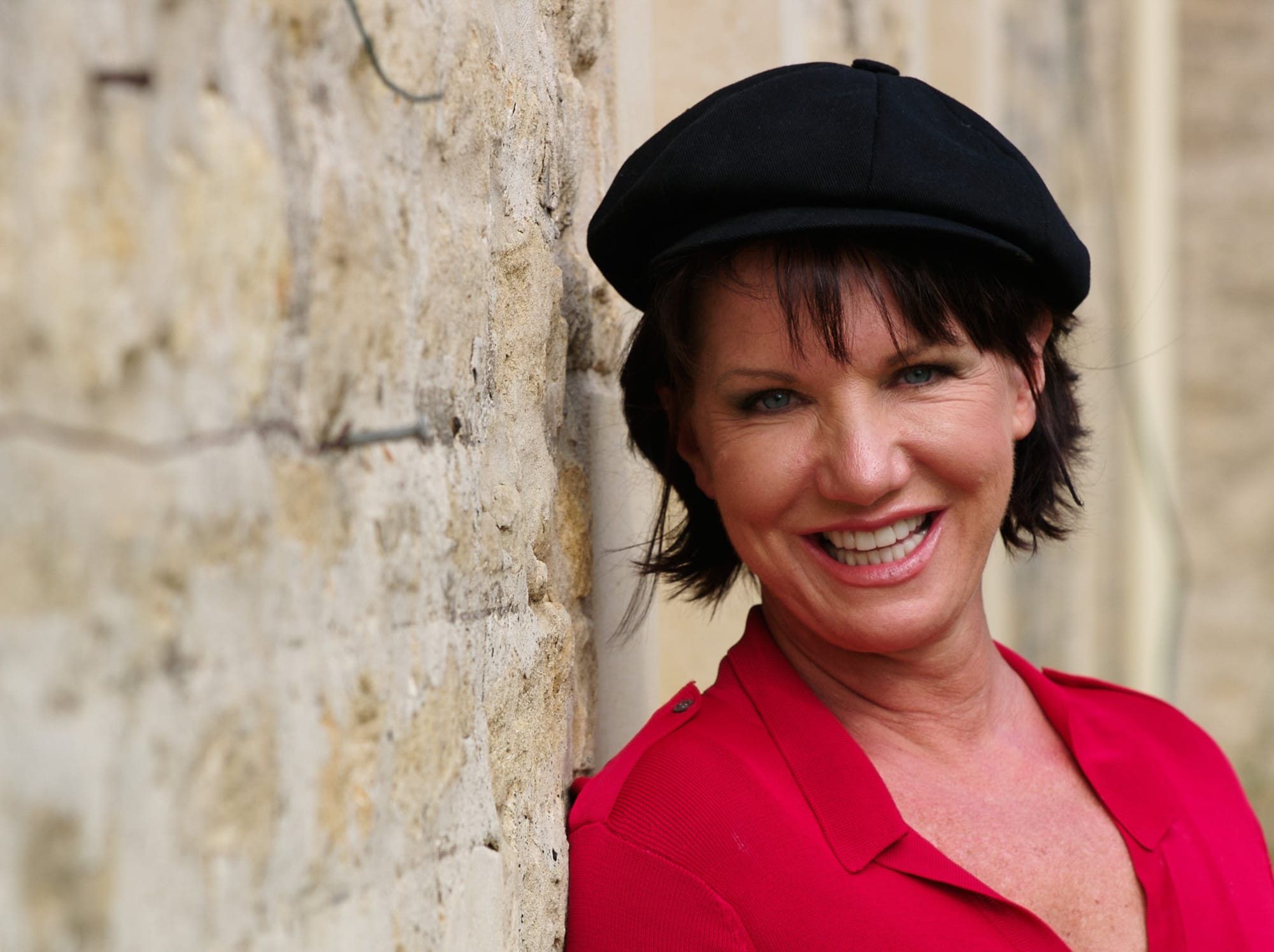
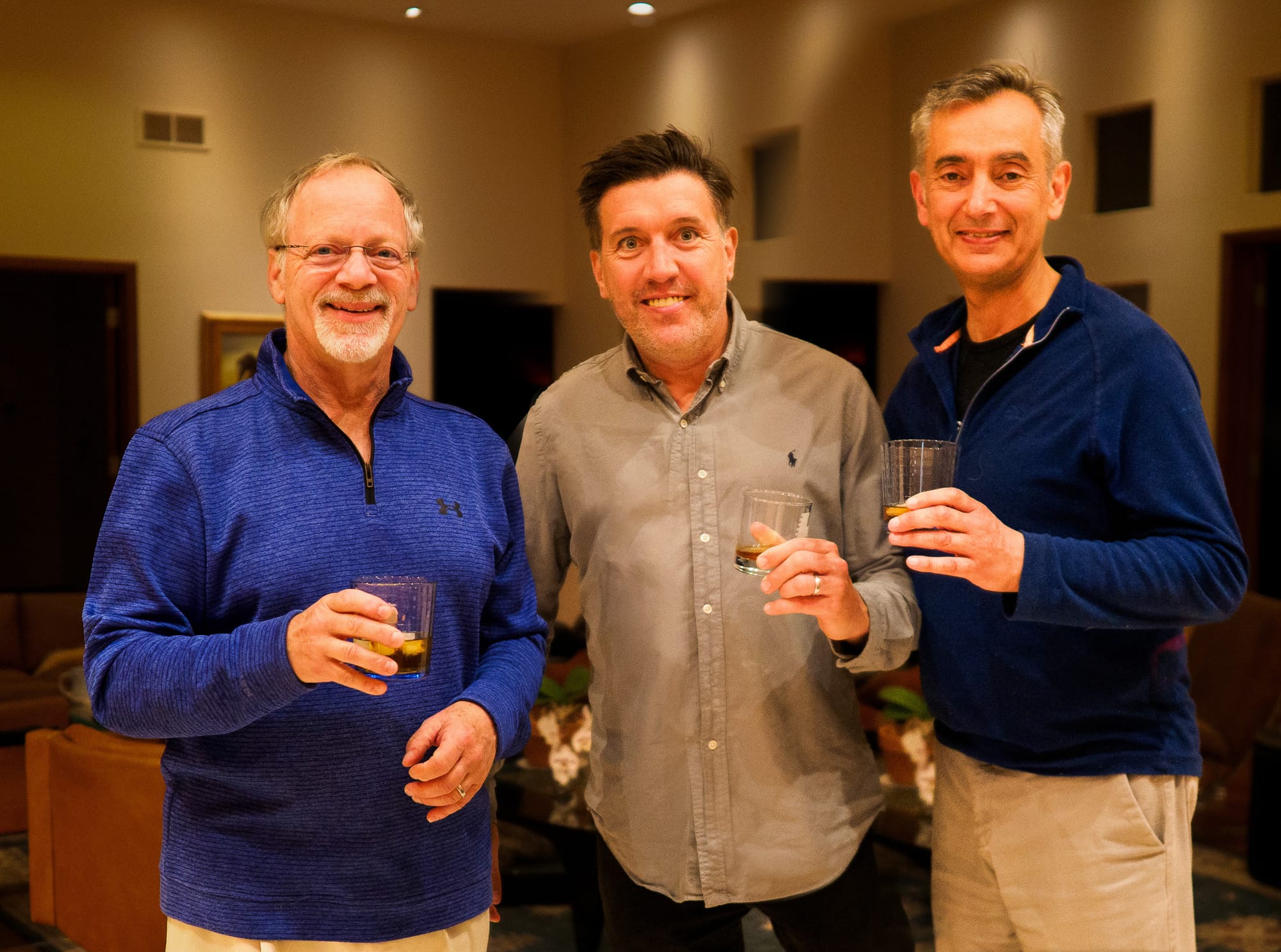
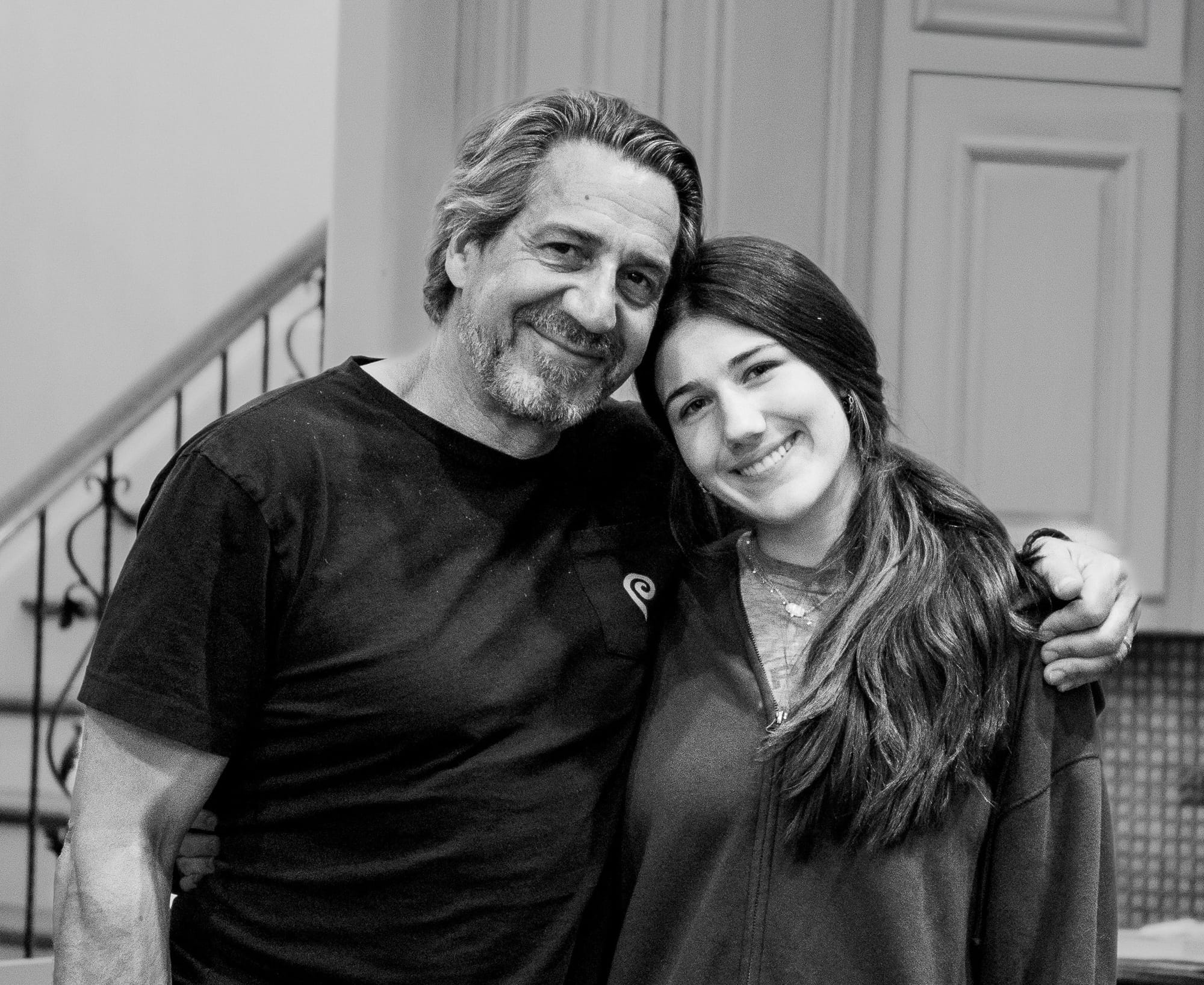
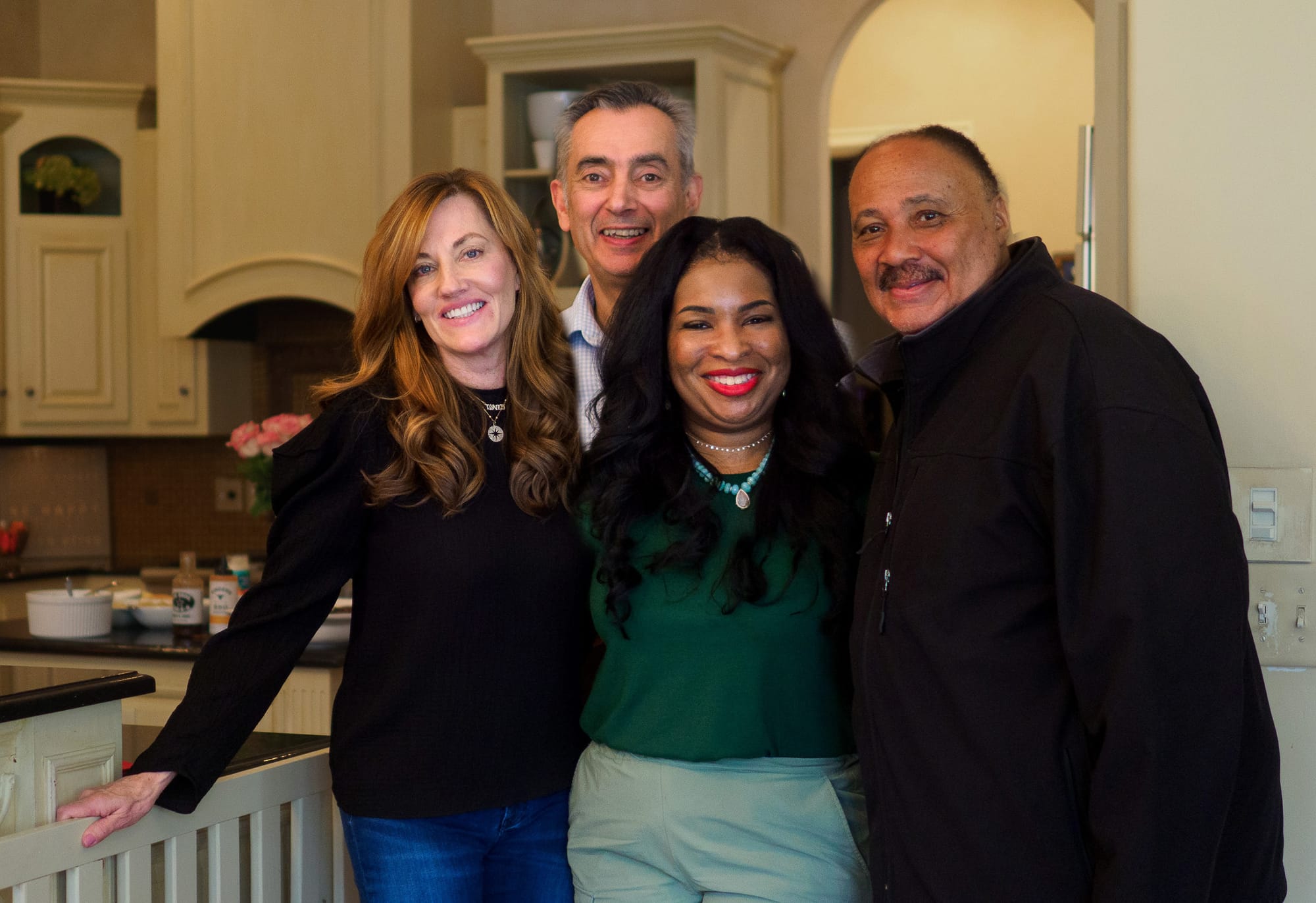
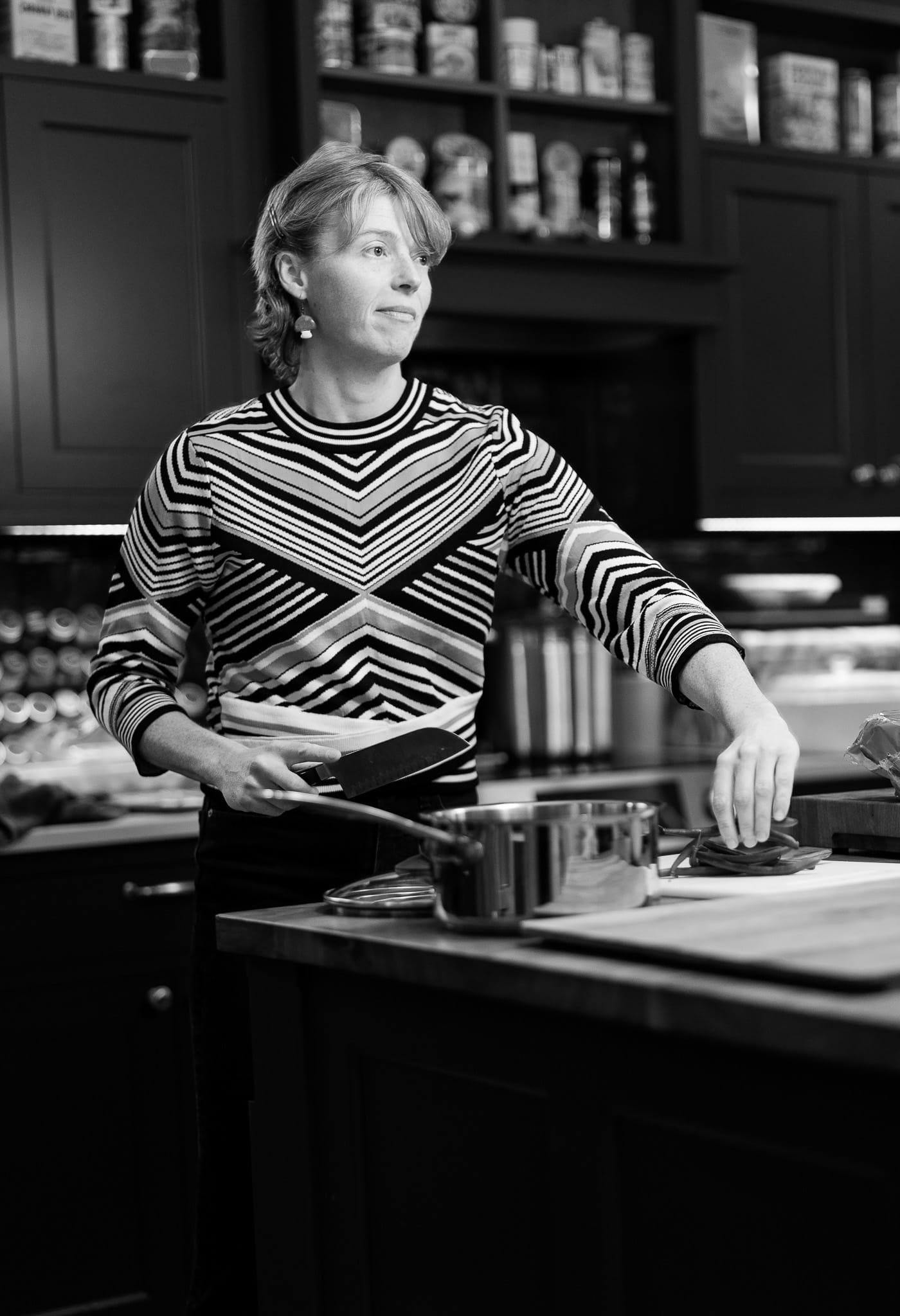
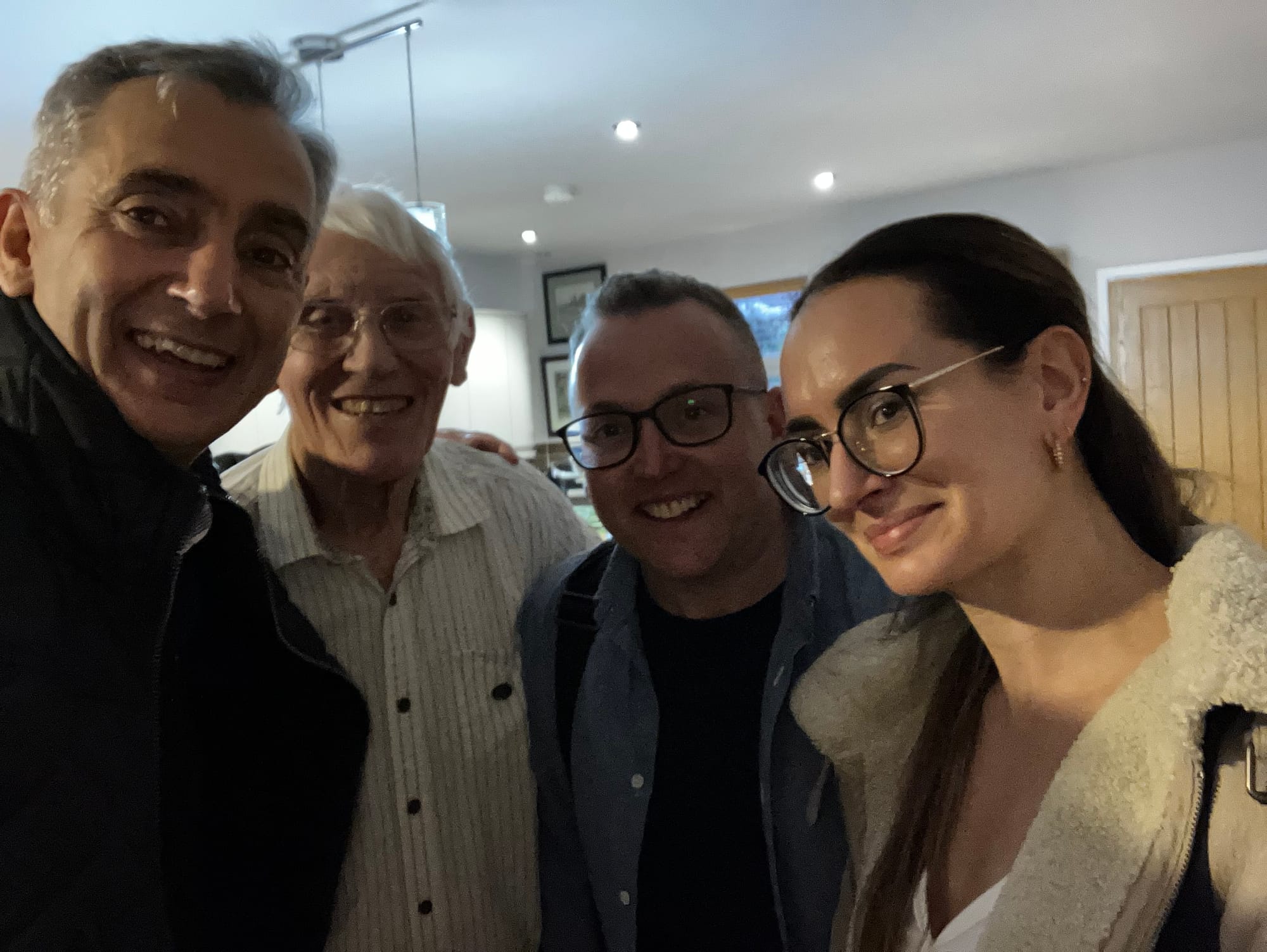
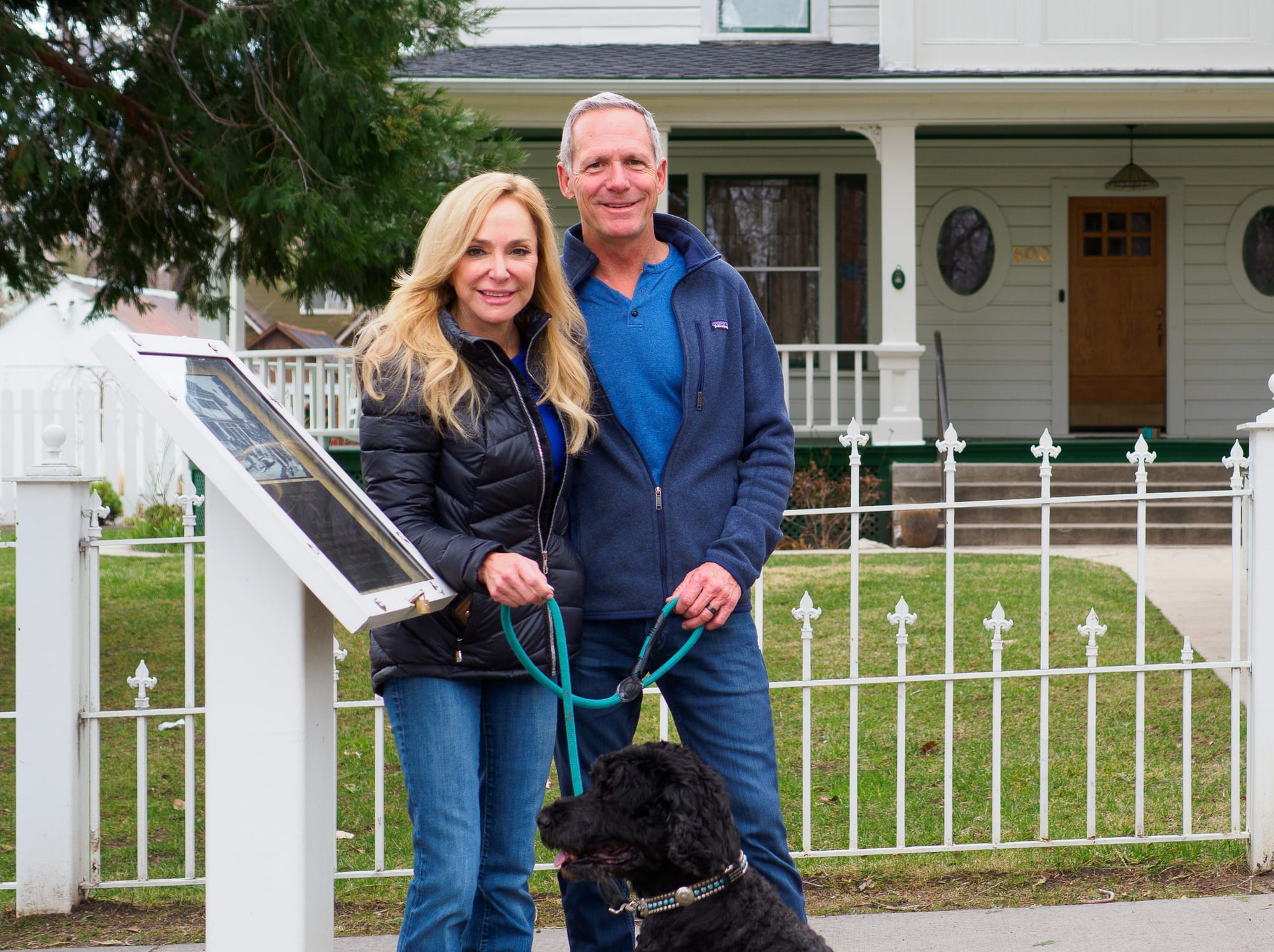
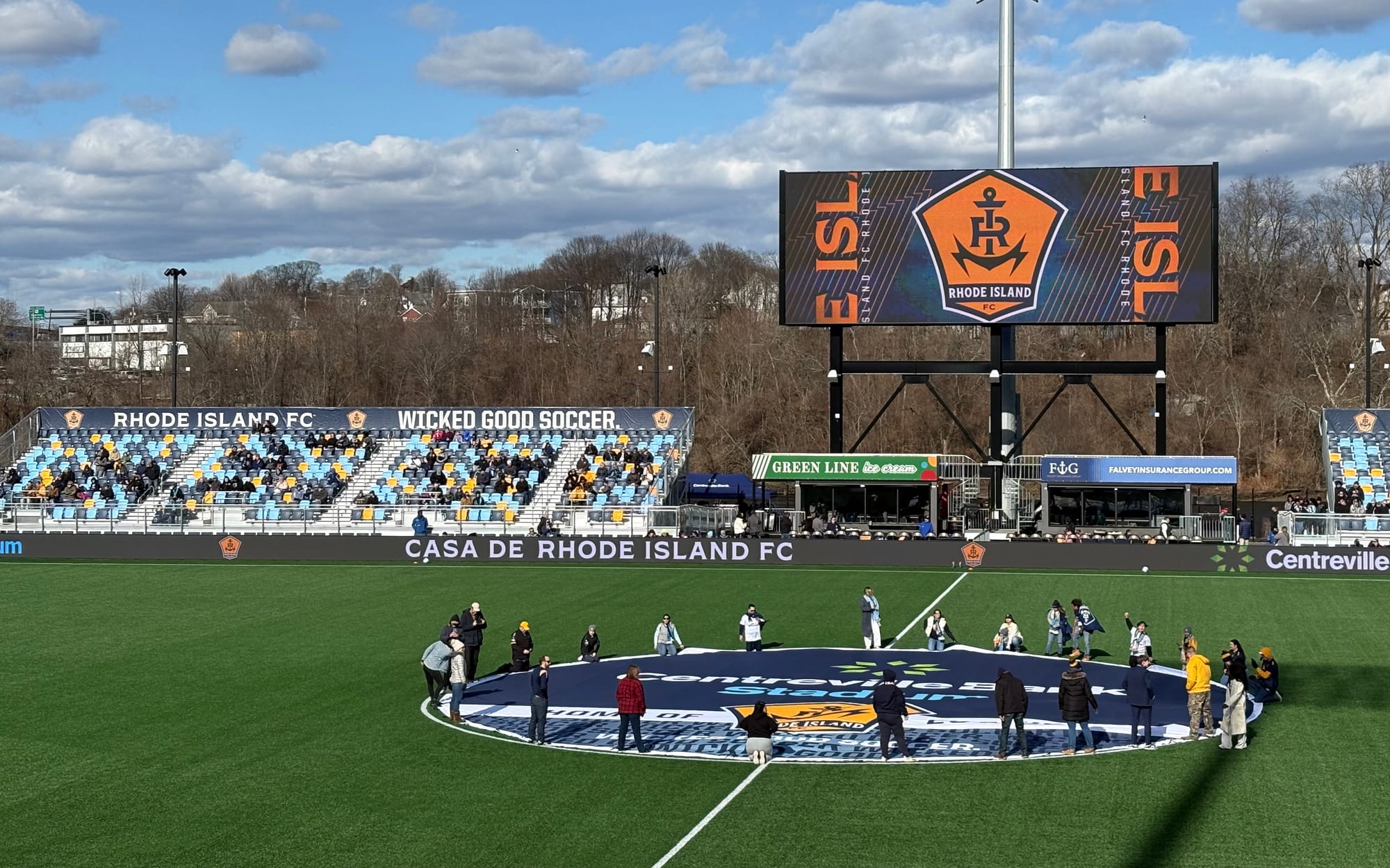
Below, I have added photographs of some of the many people I have been privileged to meet and to know — a mosaic of humanity that has, over these twenty years, quietly filled my life.
I am forever grateful to every one of them.
So let this be an invitation — from me, to you.
Come and join this community.
Better still, help us make it: through proximity, through understanding, and through the lifelong, joyful work of learning what it truly means to be human.
Become a Champion
Proximity over prejudice. It sounds almost too simple — and in a way it is.
It asks only that we draw close enough to another human being to see, beyond the label, a person; and to let their humanity call our own forward.
When people choose empathy over fear, connection over division, and understanding over the cycle of hate, the world changes — one relationship at a time.
If this story stirs something in you, don't let it stay a feeling.
Do what these Champions did — turn it into a choice, build a connection, and then create the future you want to see. Become that future.
- Join the 35Champions site as a free member, and follow the movement as it grows.
- Pay it forward as a paid member, helping young people join the Champions program and become Humanity Champions in their own communities.
- Most of all, choose a pathway of humanity — draw close, seek to understand, and let proximity do its quiet, world-changing work.
Join as a member, read and share Stories of Humanity, and help fund the next generation of young Champions.
I'd love to hear your reflections below.
Glen
Enjoying this story? Become a Champion either as a free member, or pay it forward and help fund the next generation of young Champions!
Enjoying this story? Become a Champion either as a free member, or pay it forward and help fund the next generation of young Champions!
Enjoyed this story? Become a Champion, either as a free member, or pay it forward and help fund the next generation of young Champions?