Grace — a young girl saves a life
Leadership is not the same as authority
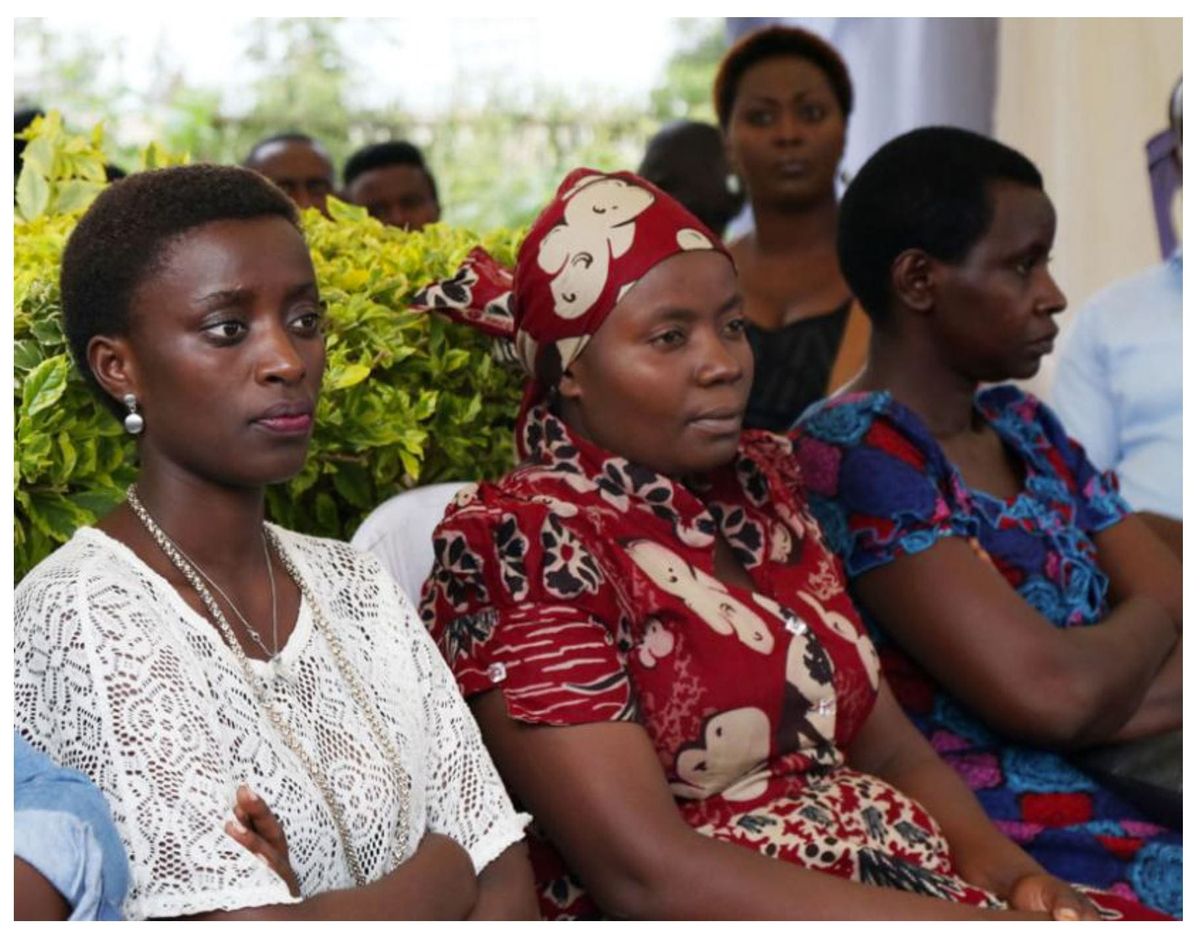
I would like to pay special credit to the Aegis Trust and the team at the Kigali Genocide Memorial for documenting and curating this story.
And of course to Grace and Vanessa.
This story has been documented by Aegis and is part of its peace & values education program.
This program has been adopted nationwide by the Government of Rwanda as part of its educational strategy to ensure every Rwandan child learns values of peace & humanity.
For more details or to support these remarkable organizations, see the Kigali Geniocide Memorial or Aegis Trust.
Grace was only ten years old when the 1994 genocide against the Tutsi began in Rwanda.
She was an orphan, living with her grandmother — a child with no power, status, education or authority.
Yet the choice she was about to make would save a life. Her story is now shared across Rwanda as part of the nation’s journey of remembrance, peace and reconciliation.
As the violence spread, Grace and her grandmother were forced to flee with thousands of others, heading towards the border with what is now the Democratic Republic of Congo. They carried what little they could. Around them was panic, danger and exhaustion.
As she walked beside her grandmother, Grace heard a baby crying.
Her grandmother urged her to keep moving. There was no time. To stop was dangerous. To take notice was dangerous. To care was dangerous.
But Grace stopped.
She found a gravely wounded woman, unable to speak, with a tiny baby lying beside her. The woman made signs, pleading with Grace to take the child.
Grace’s grandmother was terrified. She told Grace to leave the baby behind.
Grace refused.
She made a decision no child should ever have to make. In that moment, a ten-year-old girl fleeing for her own life became the protector of another.
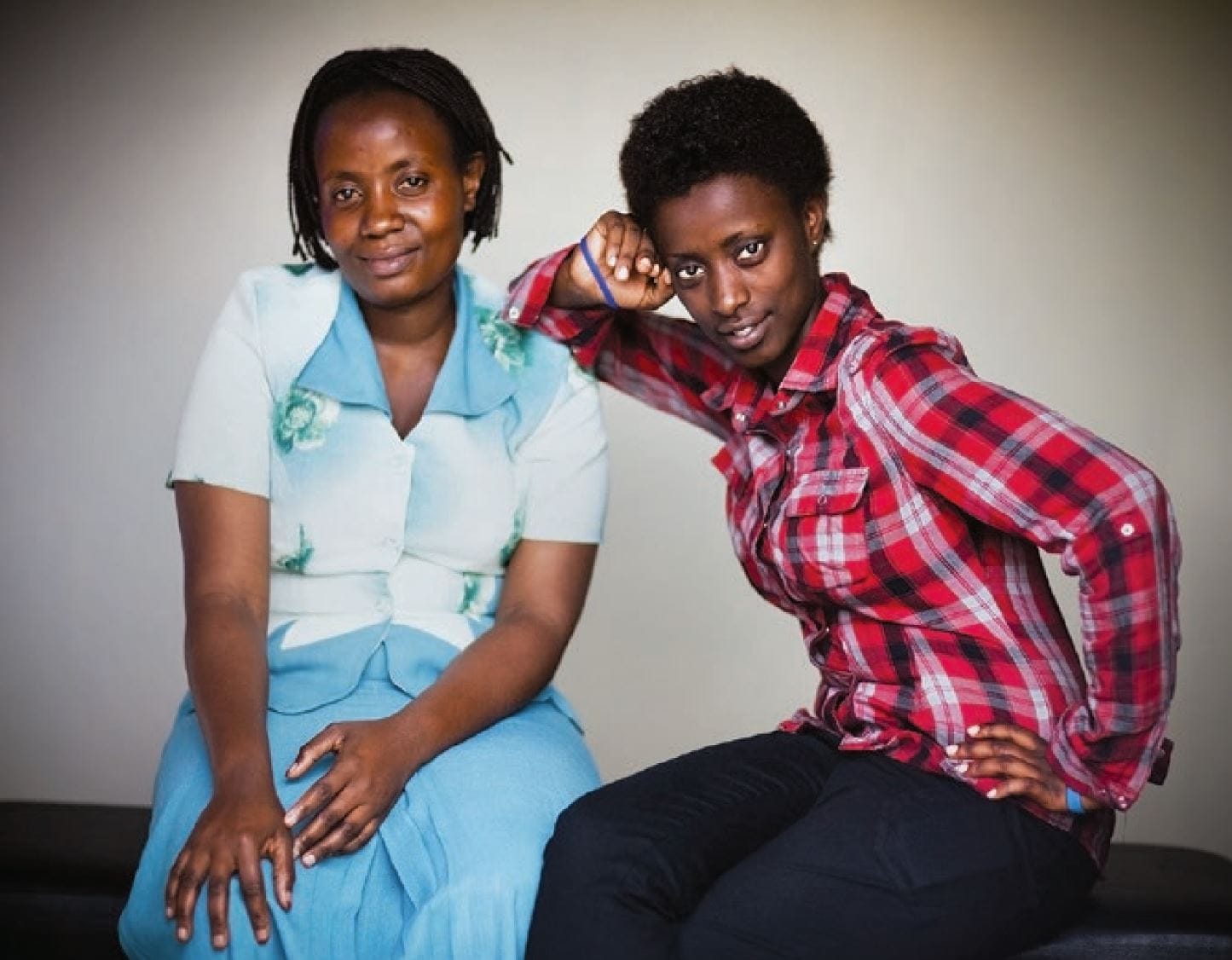
Grace later remembered her words:
“If we don’t rescue her, God will punish us. If she doesn’t die, she will be my sister.”
So she put the baby on her back and kept walking.
That baby would later be named Vanessa.
Grace carried Vanessa through danger, fear and uncertainty. Even when others told her to leave the child so she could run faster, Grace would not let go.
She crossed into the refugee camp at Goma, but even there the danger did not end. Vanessa was still at risk. Grace continued to protect her.
After the violence had stopped in Rwanda, she returned with Vanessa.
Grace did not go back to school. Instead, she became Vanessa’s caregiver, selling vegetables to provide for them.
She became her mother and protector.
Grace had not only saved a life. She had taken responsibility for a life.
What began with a single decision continued through years of sacrifice.
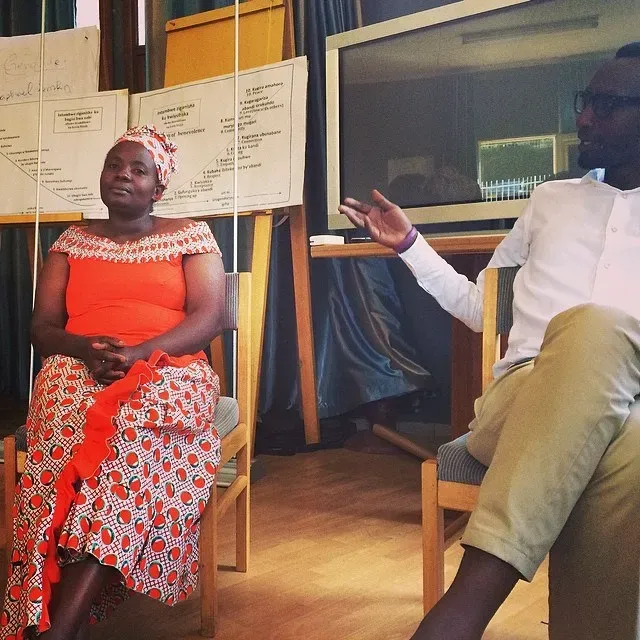
Today, Grace’s story is shared through the Kigali Genocide Memorial and the Aegis Trust’s Peace and Values Education programme, helping young people explore empathy, courage, resilience and personal responsibility.
Her act has become more than a memory. It has become a lesson.
A child who could not read or write has become a teacher.
Grace had no authority, title or training.
She chose to save.
What Grace’s story means for us
How can a ten-year-old girl show such courage in such darkness?
Grace challenges the idea that leadership and moral responsibility belong only to adults or to people with authority. She had no title, training or permission. She simply saw another human being who needed her — and acted.
Her story also reminds us that circumstances do not remove every choice.
Fear matters. Pressure matters. Trauma matters. And the choices available to us can be terribly constrained.
But Grace still had one.
Not an easy choice.
Not a safe choice.
The choice to stop.
The choice to protect.
The choice to carry.
Grace reminds us that humanity often begins with an interruption. A cry is heard. A need is seen. Someone stops. Someone decides that another life matters.
Most of us will never face what Grace faced.
But we all encounter moments when another person needs encouragement, protection, honesty, forgiveness, patience or courage — moments when it would be easier to look away.
Grace’s decision saved Vanessa’s life. It shaped Vanessa’s future and Grace’s own. Decades later, their story is being shared with another generation.
Grace could not stop the genocide.
But she could save Vanessa.
And she did.
Perhaps that is where humanity begins: not with everything we cannot do, but with the one thing we can.
Enjoyed this story? Become a Champion, either as a free member, or pay it forward and help fund the next generation of young Champions.