Dydine - we grow what we feed
Choosing humanity after unimaginable loss
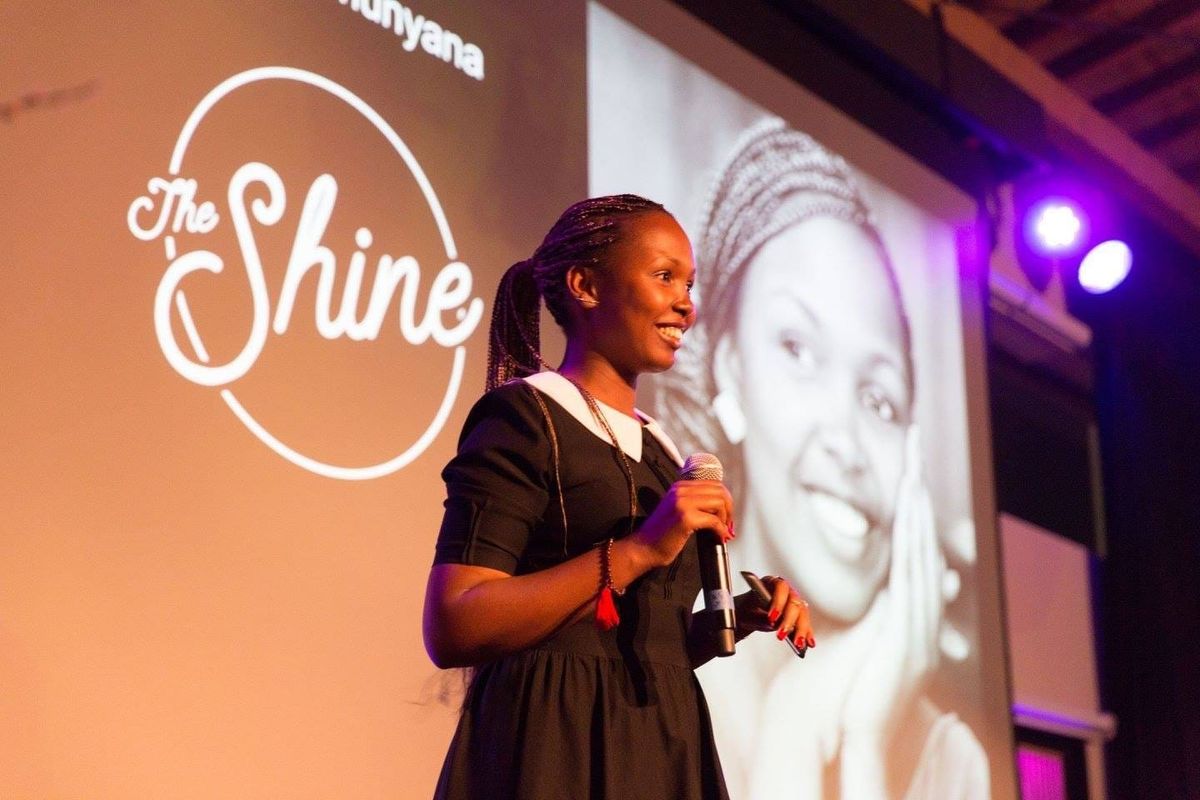
Dydine’s story begins in the darkest of human circumstances — but becomes a story of choice, healing, peace and radical empathy.
Dydine Umunyana was four years old when the 1994 genocide against the Tutsi tore through Rwanda.
Separated from her family and surrounded by killers, she was identified as Tutsi after asking for milk — a simple childhood request that carried cultural meaning.
Join as a member, read and share Stories of Humanity, and help fund the next generation of young Champions.
In that moment, an elderly Hutu man intervened. He chose conscience over hatred, hid her under a bed, and saved her life.
But survival was only the beginning.
After the genocide, Dydine grew up in what she later called a “silent war” at home, shaped by her father’s trauma, guilt and PTSD. Nightmares, fear and the burden of being the eldest child marked her childhood. As a teenager, anger and despair became overwhelming.
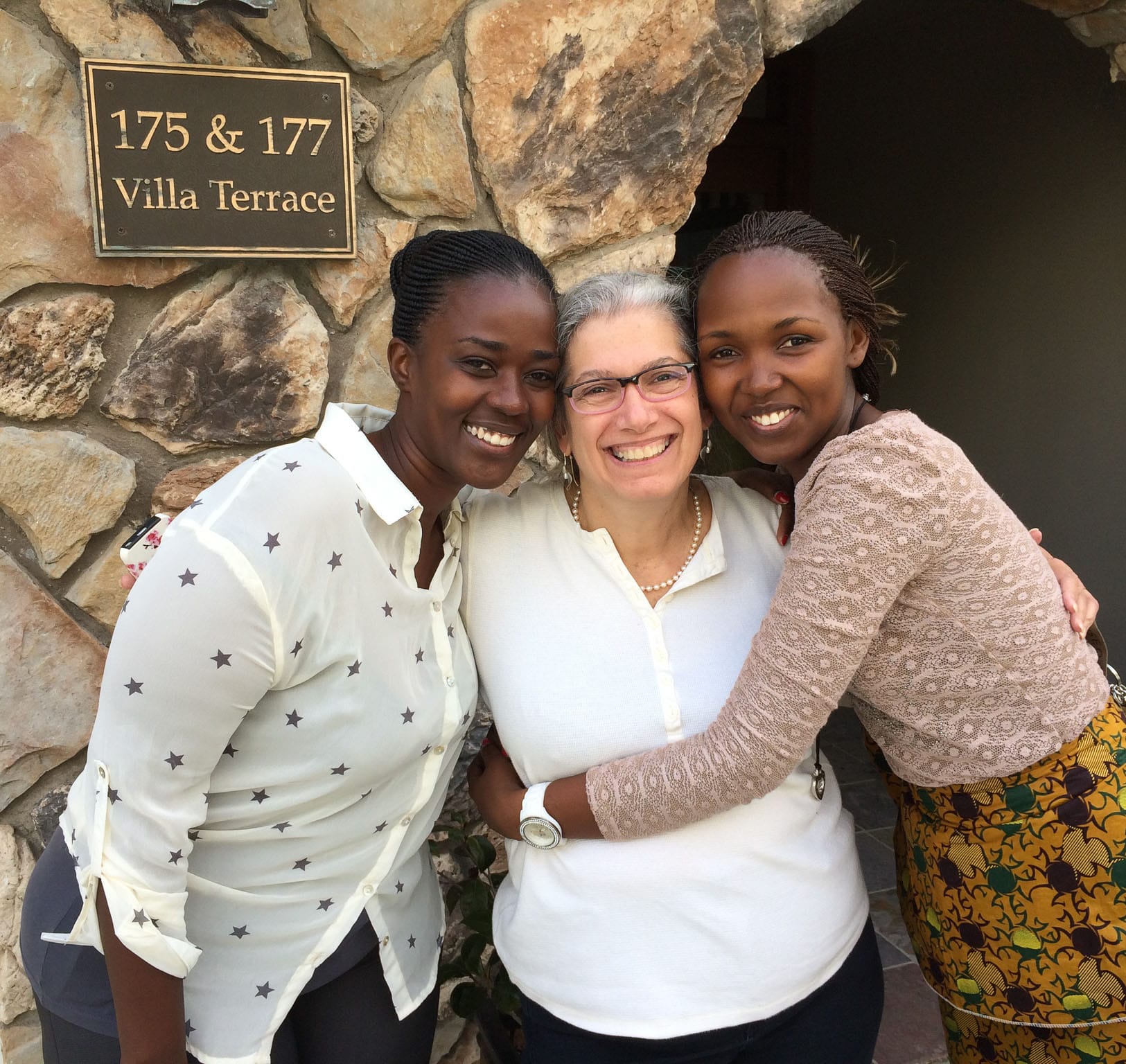
The turning point came when she visited the Kigali Genocide Memorial in 2010 as part of the new Peace and Values Education Program introduced by the Aegis Trust, where Glen was then a Director.
Seeing the photographs and stories of children who had been killed helped her understand her survival differently. Her life was not only a wound. It was also a gift — a voice she could choose to use.
From that moment, Dydine began to transform pain into purpose.
She developed what she calls radical empathy — courage to see the suffering of children born into the families of perpetrators.
That choice did not erase what had happened. It changed what would happen next.
Join as a member, read and share Stories of Humanity, and help fund the next generation of young Champions.
In 2013, Dydine became a youth peace ambassador with Aegis Trust. She later visited Los Angeles with Glen and was able to stay, continuing to share her story globally through speaking, writing and mentoring.
Storytelling became a bridge: a way to heal, connect across cultures and remind others of their own capacity for humanity.
Her work now continues through Kind Culture Community and Umunyana Coffee, a purpose-driven brand supporting Rwandan women farmers through dignity, fair pay and economic justice.
Her story has become more than personal survival.
It is a living example of how one life, one voice and one set of choices can create ripples far beyond.
Dydine’s story speaks powerfully to the heart of Champions. It shows that humanity is not passive. It is chosen, practised and multiplied.
Her life reflects the journey from trauma to agency, from isolation to connection, from pain to hope and creation of a new future.
She reminds us that even when we cannot choose what happens to us, we can still choose what we make happen — for ourselves, for others and for the future.
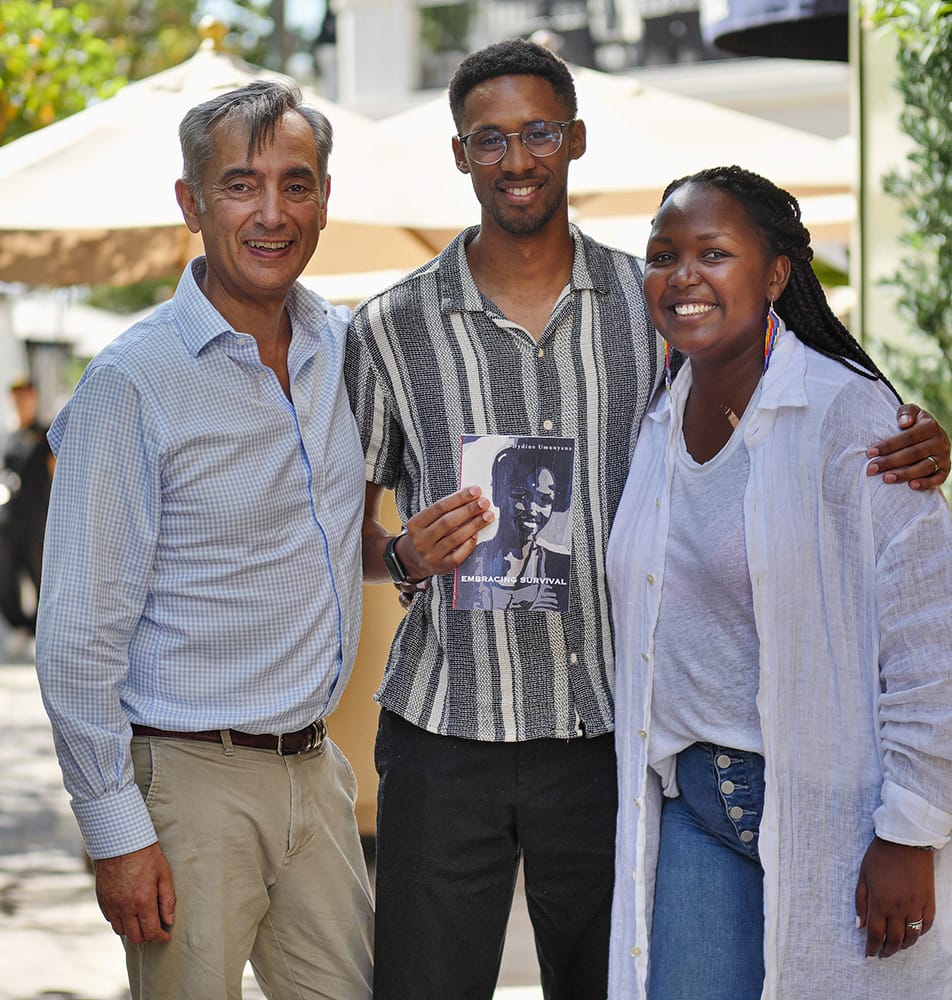
The same processes of choice, connection and then creation can be seen clearly in Dydine’s life.
Her choice was the spark, but it was through her connections that she was able to strengthen herself, and create a new future, for herself and others.
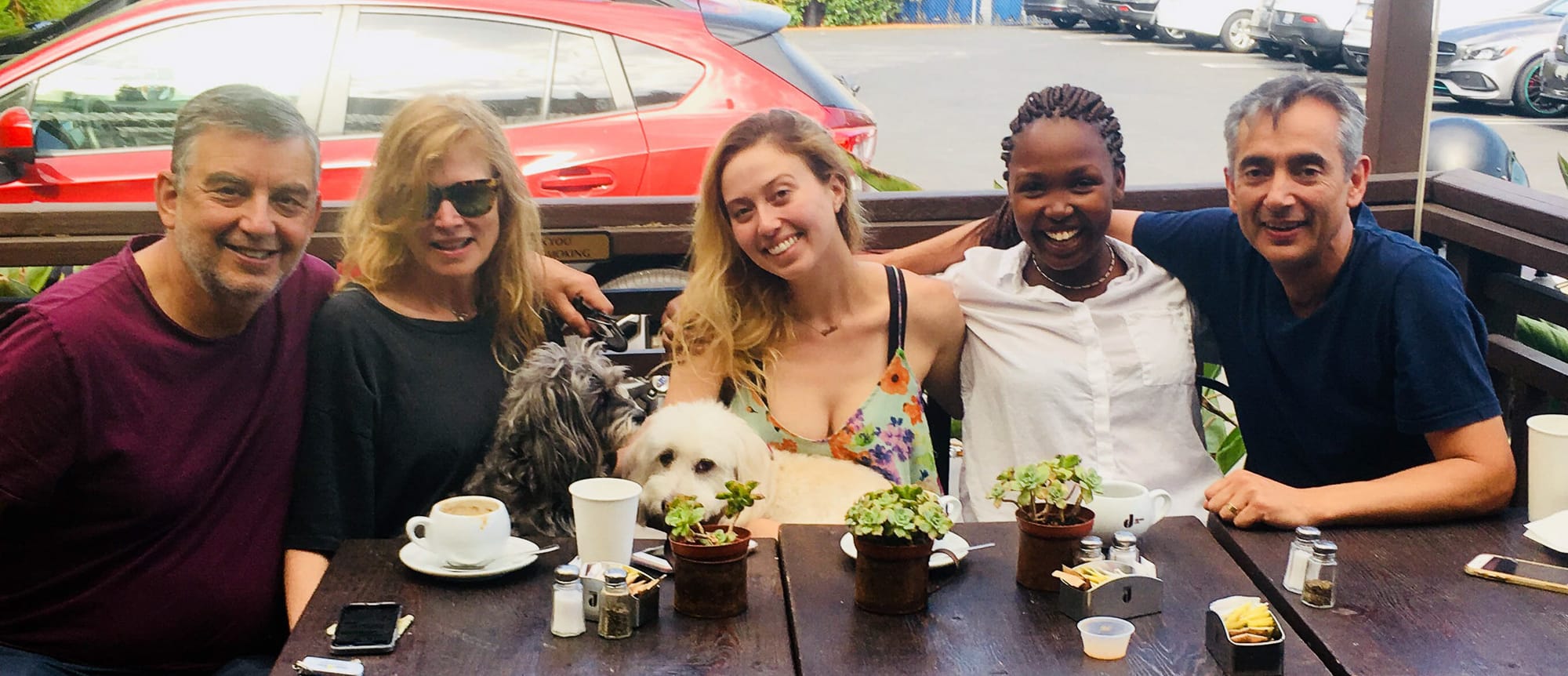
She is now married to Alex, an African American from Texas and they live together in Los Angeles with their dog, Malaika — meaning Angel.
Dydine’s story is a story of radical empathy — the courage to turn suffering into healing, memory into purpose, and personal survival into a movement for humanity.
Join as a member, read and share Stories of Humanity, and help fund the next generation of young Champions.
What Dydine’s story means for us
Dydine’s story is extraordinary — but it is not distant.
Most of us will never face the circumstances she faced. But the human questions at the heart of her story belong to all of us.
What do we do with pain? What do we do with memory? What do we do when life gives us something we did not choose?
Dydine’s life shows that humanity is not automatic. It is chosen by us.
That choice is not easy, sentimental or instant. It does not deny suffering or excuse injustice. Radical empathy refuses to let hatred have the final word.
The elderly Hutu man who saved Dydine’s life made such a choice. In a moment when others had surrendered to cruelty, he chose conscience. Risking his life, he acted instinctively, from within. He acted — and because he acted, Dydine lived.
Years later, Dydine faced her own choice: whether to live only the life shaped by her circumstances, or to create a new future — a new Dydine.
Choice is the spark, but it is rarely enough on its own.
Dydine’s healing came through connection — through memory, storytelling, education, friendship, and the communities she now chooses to serve.
When speaking at an event with Google staff, she shared a phrase that captures this beautifully: “We grow what we feed.”
Her mother, who had experienced the genocide as an adult and survived, had taught her this: “Humans are the scariest and most dangerous species on the planet, but they are also the most loving and kindest species on the planet. It just depends which one you want to feed.”
Dydine did not heal by withdrawing from the world. She healed by finding ways to reconnect with it — by choosing what to feed within herself.
Storytelling became a bridge.
By telling the truth, Dydine created space for others to see, feel and understand. Her story helps survivors feel less alone. It helps listeners encounter history not as an abstract event, but as human experience.
It invites people across cultures to recognise something of themselves in another person’s pain, courage and hope.
Dydine’s radical empathy challenges us.
It is easy to speak of empathy when the person before us is someone we already understand or like. Radical empathy asks more. It means refusing to pass hatred from one generation to the next. It means choosing to break the cycle.
Her life shows that character is built through the choices we practise.
Empathy, courage, forgiveness, resilience and love are strengthened through use. They grow when we choose them under pressure.
And then they multiply.
Join as a member, read and share Stories of Humanity, and help fund the next generation of young Champions.
Through Kind Culture Community, Umunyana Coffee, speaking, writing and mentoring, Dydine turns personal survival into shared strength.
Dydine reminds us that one act of courage can save a life — and one life, transformed by purpose, can create ripples far beyond itself.
That is the heart of Champions.
Champions is built on the belief that people can choose, grow, connect and create. We can become more conscious of our humanity. We can practise it in daily life.
We can become role models for others, not because we have never suffered or failed, but because we choose what we do next.
So Dydine’s story leaves us with a question:
What will I choose to make happen today?
Extra Resources
Below is an Ai video summary of Dydine's story
And below is an Ai podcast
You can read more of these stories from the Champions Patreon site.