Robert — the power of sport
Sport gave Robert a life; Robert used sport to give life back to others
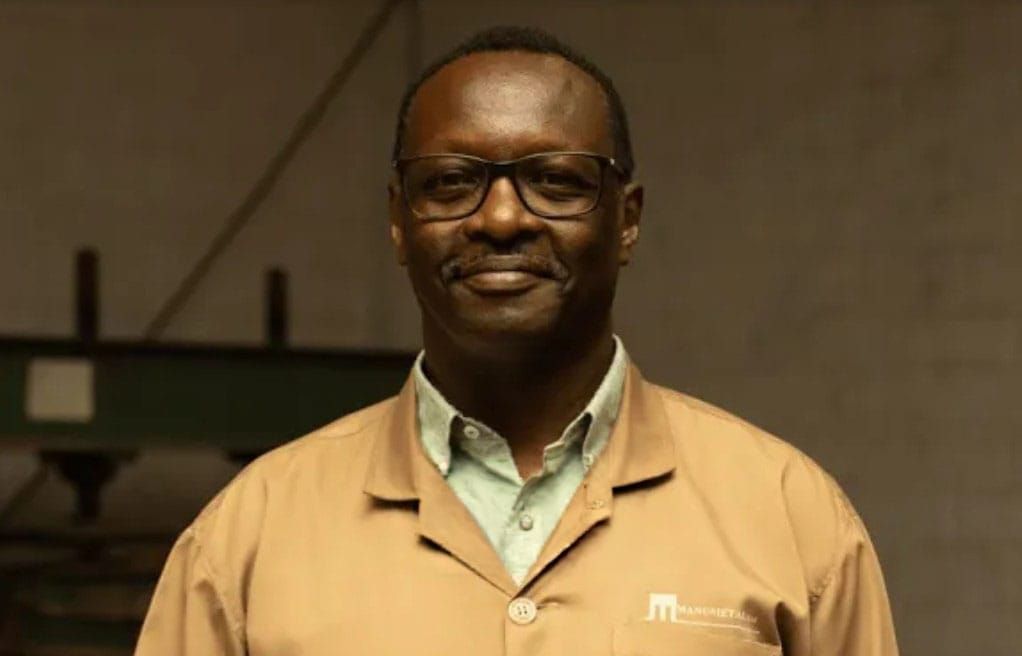
Robert’s story shows that sport can save lives — literally in his case.
It can also transform them.
But the key is using sport as a vehicle to strengthen human bonds, character and commitment.
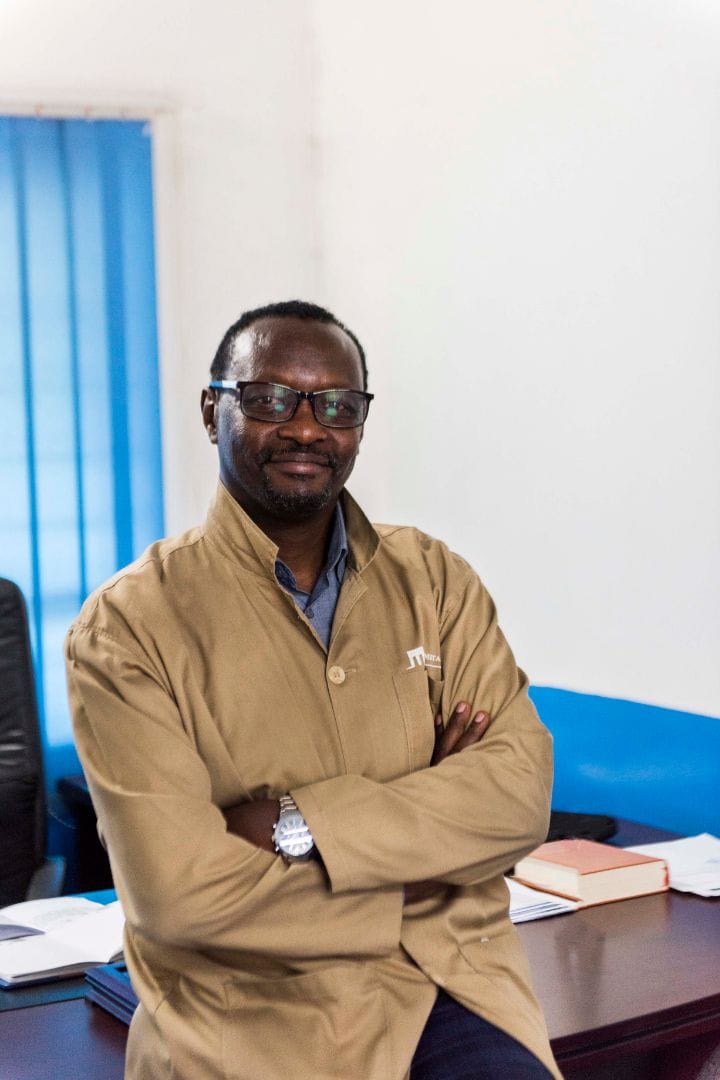
During the 1994 genocide against the Tutsi, Robert Bayigamba survived not once but twice because he was recognised through sport: in his case, volleyball.
He was known as Rwanda’s national volleyball captain, and that recognition became a human connection strong enough to interrupt violence and save his life.
Later, as he fled with his family, another connection through volleyball — a national referee and federation leader — helped them cross the border to safety.
As Robert crossed the border, he looked up and made a promise: to dedicate his life to using sport to save other lives.
After the genocide, Rwanda needed more than physical rebuilding. People divided by fear, loss, hatred and trauma needed safe ways to encounter one another again.
Volleyball became one of those spaces.
It was simple and accessible: two sticks, a rope, a patch of grass — and people could gather.
Survivors, returnees, diaspora communities and others could come together, play together, talk together and slowly begin to rebuild trust.
Sport gives people a shared activity before it asks them to share a story. People can stand on the same side, or across a net, without first needing to resolve everything that divides them.
It lowers the temperature.
It creates rhythm, laughter, movement and teamwork. It gives people a reason to meet again.
Robert understood that reconciliation is not only a national policy. It is also a human practice.
It happens through repeated encounters and ordinary moments — spaces where people can remember that the person opposite them is not simply a label, a history, a nationality or an enemy, but another human being.
Robert’s use of sport also reached beyond reconciliation.
He tells the story of a 92-year-old man who joined weekly exercise and later found himself climbing stadium ladders with confidence. Sport strengthens more than bodies. It can build confidence, belonging, joy and dignity. It helps people feel alive, capable and connected.
Sport had saved Robert. He chose to use it to give something back to others — trust, hope, health, dignity and community.
Some ten years later, Robert met Glen Ford, founder of Champions.
Glen was volunteering in Rwanda to help build the Kigali Genocide Memorial. Robert was Rwanda’s Minister for Sports and Culture, with overall responsibility for the Memorial, and had played a key role in helping raise the necessary funds.
They met again in 2014, as the Memorial was being expanded, and have remained good friends since.
Robert’s story is not simply about volleyball. It is about what sport can become when people use it well.
Sport can divide. It can inflate egos, intensify hostility and harden tribal identities.
But it can also become a bridge, a meeting place, a school of character and a tool of reconciliation.
What Robert’s story means for us
Robert’s story reminds us that sport can reveal who we are — and help shape who we become.
At its best, it teaches discipline, courage, fairness, humility, trust, teamwork and respect.
It gives people a shared purpose. Strangers become teammates. People who might otherwise never meet begin to know one another.
Robert’s own journey took him from player to captain, federation leader, Minister for Sports and Culture, and President of the Rwandan National Olympic Committee.
But perhaps the most important measure of sport is not the scoreboard.
It is what happens between people along the way.
Sport saved Robert because people knew him.
Later, he used sport to help people know one another again.
Not all of us are interested in sport, and that is not really the point.
The deeper lesson is about human connection: teamwork and fun, shared heartaches and shared success, and what can happen when people come together around something they care about.
For Robert, that something was volleyball.
Sport helped give Robert his life. He chose to use sport to give something back to others.
Enjoyed this story? Become a Champion, either as a free member, or pay it forward and help fund the next generation of young Champions.