Stories of Humanity
Why ordinary people, and the choices they make, change the world
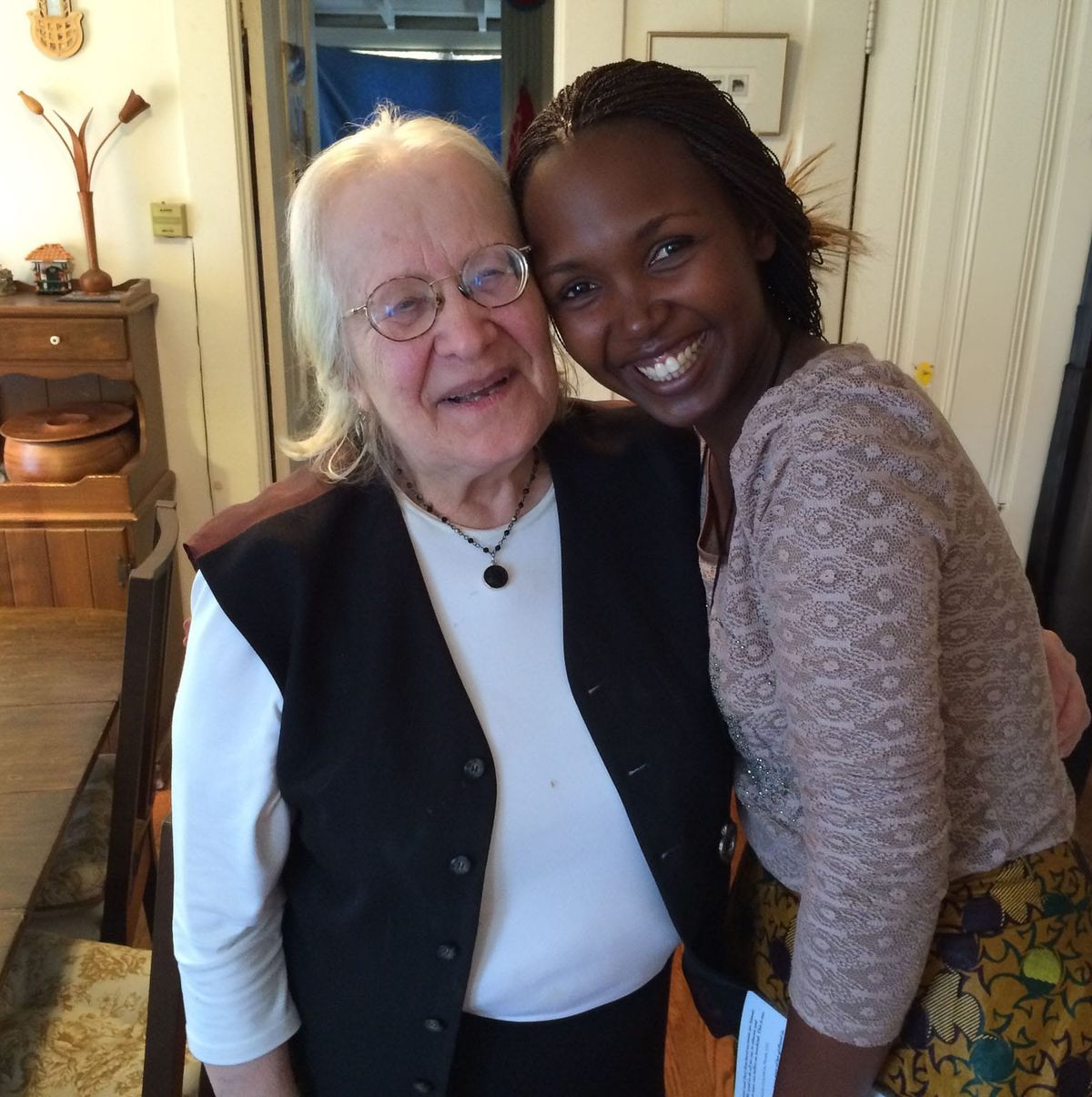
In June 2014, two women stood side by side for a photograph. Dydine survived the genocide against the Tutsi in Rwanda. Rita Kuhn survived the Holocaust. What happened to them was separated by half a century and several thousand miles.
Ask most people what changes the course of history and they will name presidents, generals and governments. Neither woman is on that list. Their stories, and many like them, suggest the list is incomplete.
The future has not been written. It is shaped every day by choices made in families, workplaces, schools and communities, including the ones you and I make. That may sound like a platitude. The stories we tell at Champions are an attempt to show that it isn't.
Take Jean-Francois. In 1994, when around one million people were murdered in Rwanda in the space of 100 days, he and his brothers saved hundreds of lives. The Gisimba Orphanage rescue story is a Hollywood-movie-script level story.
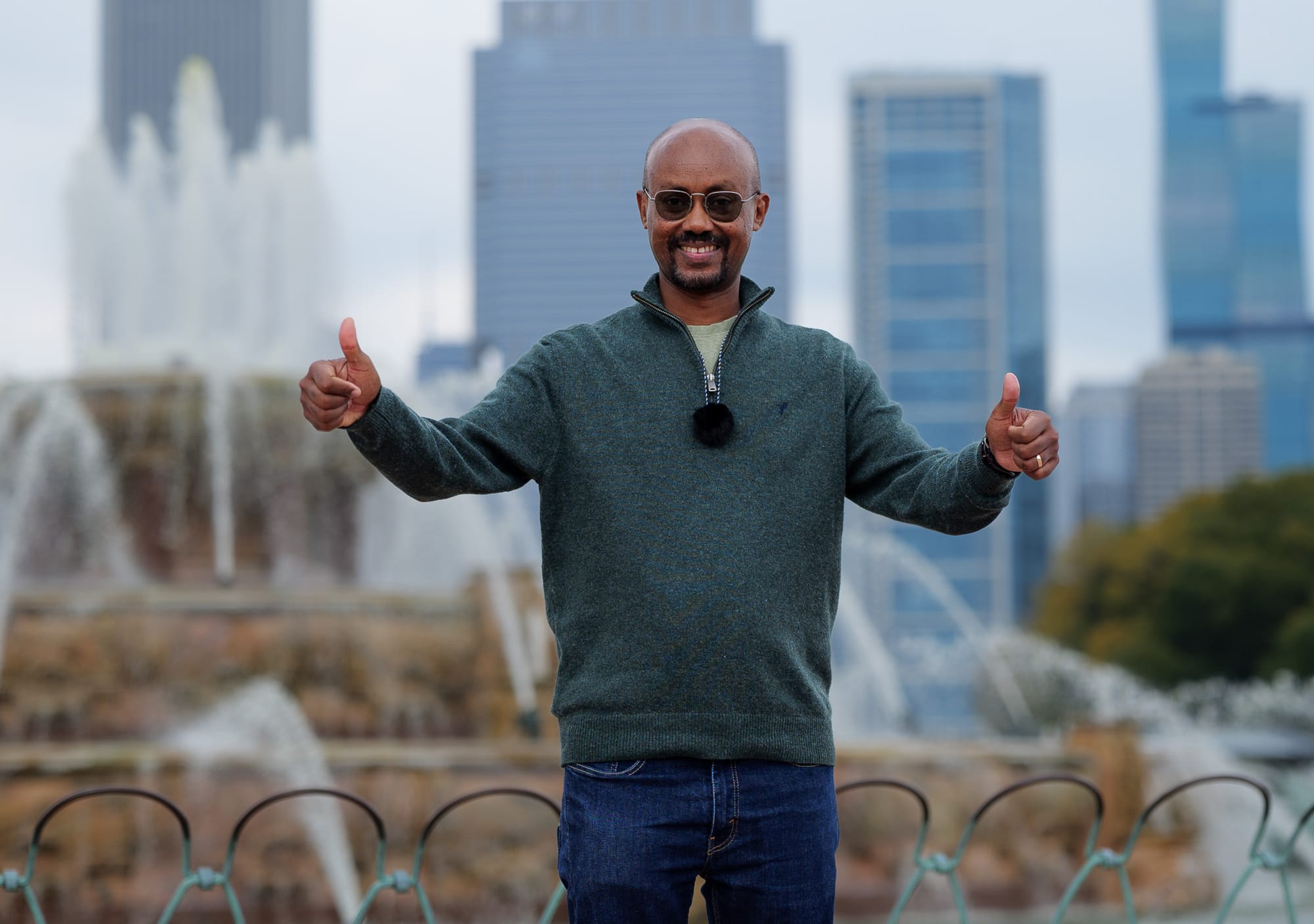
NOT A SPECTATOR SPORT
Humanity, as we like to put it, is not a spectator sport. Everyone is a player, whether they act or look away. Small decisions, repeated daily, either strengthen it or let inhumanity creep in, often without anyone noticing.
We cannot choose everything that happens to us. We can choose how we respond, and what happens next.
Nor is it a solo effort. People are built to work alongside one another and become more fully themselves through their relationships. We become what we feed, in ourselves and in each other.
Across the stories we have gathered, the same pattern keeps appearing. Someone makes a choice. They connect with others. Together they create something that did not exist before. We call it the Champions Pathway: Choice, Connection and Creation.
FROM INSPIRATION TO ACTION
Freddy Mutanguha lost 80 members of his family in Rwanda's genocide when he was 18. He has since taken that story to communities on the brink of violence elsewhere in Africa.
"People in these situations don't think reconciliation is possible, only revenge," he said in 2015, after survivors visited the Central African Republic. "We showed them that forgiveness is possible; peace is possible."
That is the purpose of a story of humanity. It is meant to prompt action, not admiration. Each one leaves the reader with three uncomfortable questions. How will I respond? What kind of person do I want to be? What can I actually do?
Champions works on the basis that humanity is a practice rather than a fixed trait, and that it grows stronger through awareness, connection and action. The stories give that practice a human face.
A CITY ON A HILL
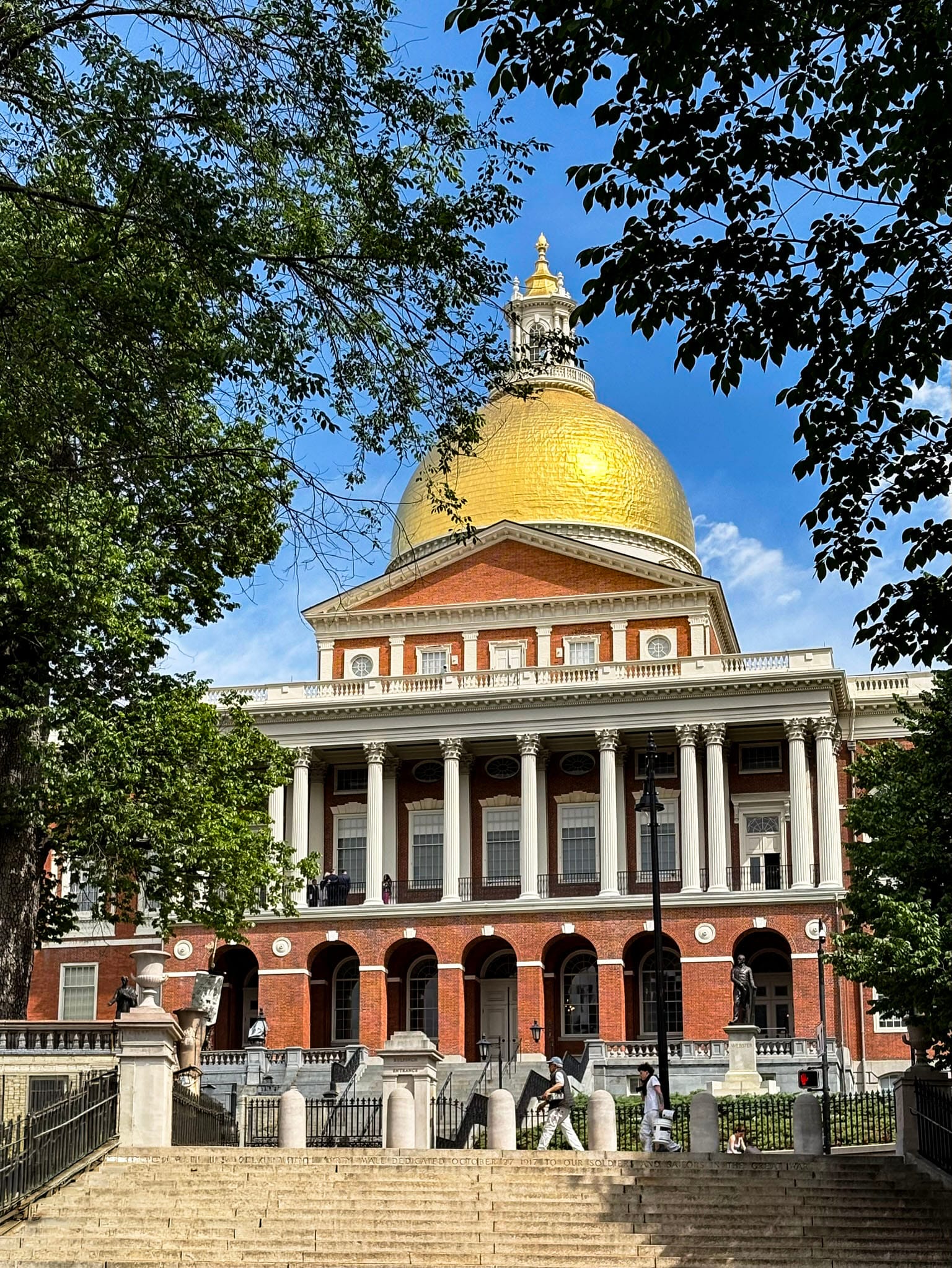
In 1630, as Puritan settlers set out for Massachusetts, John Winthrop told them: "We shall be as a city upon a hill. The eyes of all people are upon us." The phrase has followed Boston ever since, and the State House still stands for those ideals of freedom and moral integrity.
Stories of humanity can be beacons too. They show what it means to be human through real lives rather than abstract ideas: the people who came before us, and those living among us today.
None of us knows what the future holds. But each of us decides what we do next, and in some way that will shape it.
Become a Champion — Change the Future.
Enjoyed this story? Become a Champion, either as a free member, or pay it forward and help fund the next generation of young Champions.