Happy Birthday and well done Freddy!
Congratulations to Freddy, as he celebrates his 50th birthday and shares his aspiration for the future.
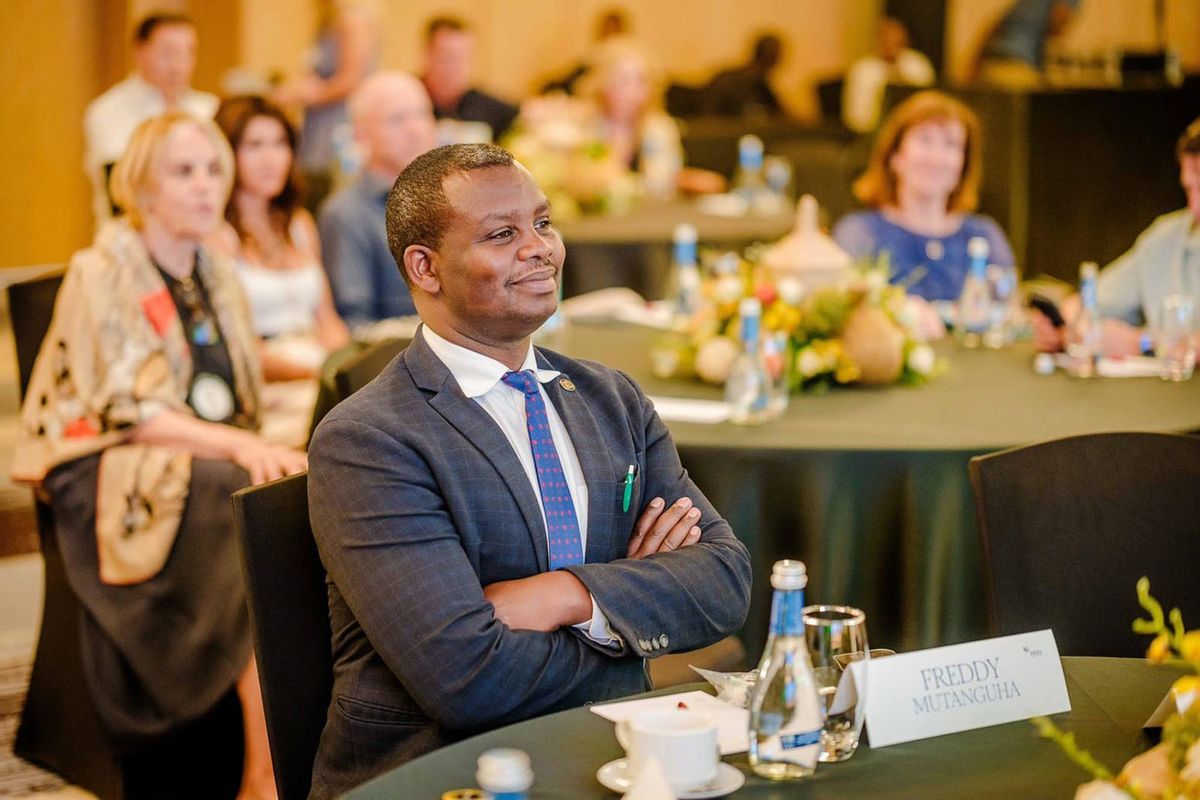
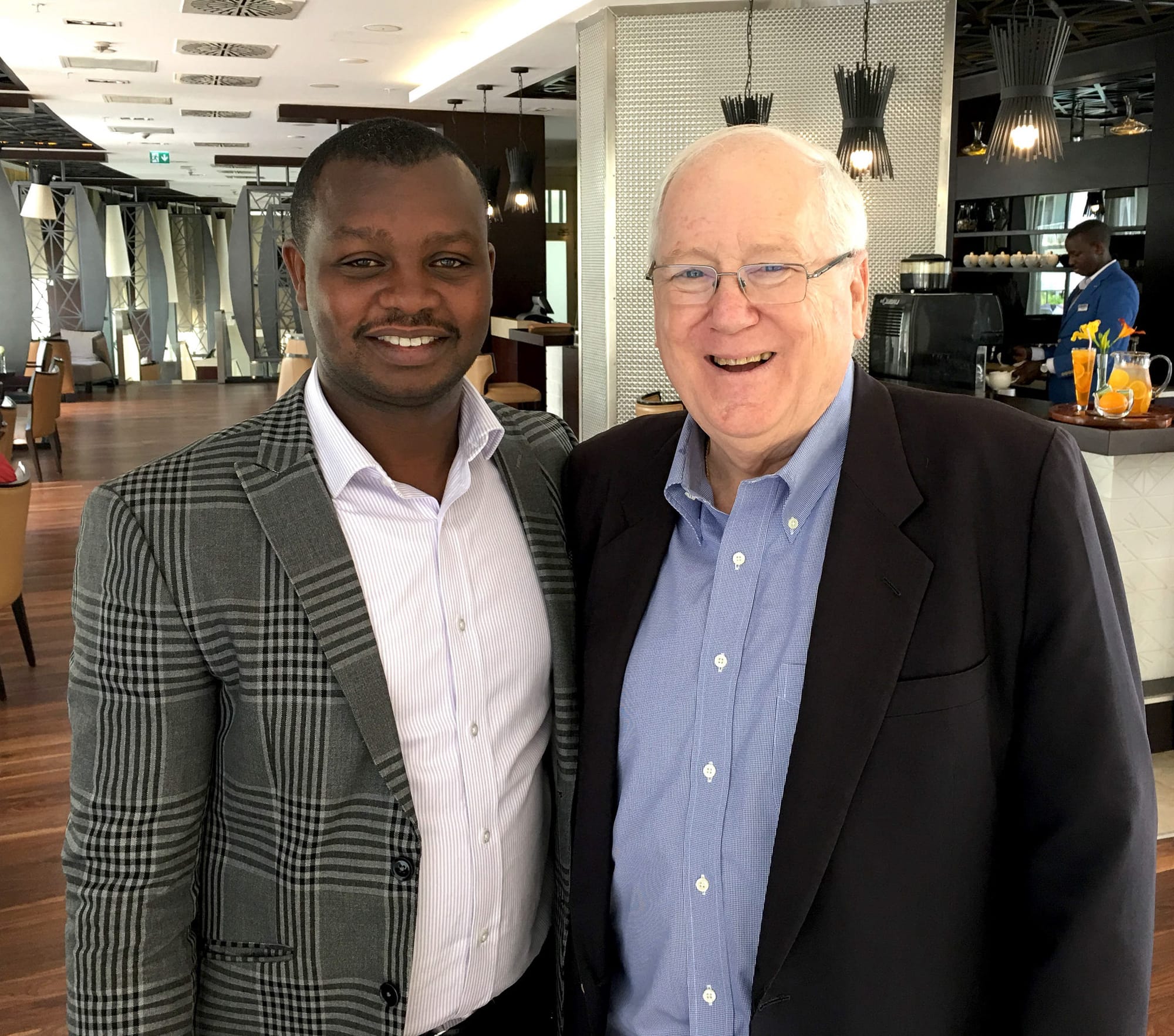
This past week, in a conference room at the Marriott in Kigali, I had the privilege to hear Freddy speak.
Freddy and I first met some 22 years ago, in early 2004.
I was a trustee for the Aegis Trust and part of the volunteer team building the Kigali Genocide Memorial. Freddy was part of the local team. We were colleagues.
In April that year, Freddy invited me to attend a memorial service, paying tribute to his family, those murdered in 1994. I was the only international person present. It was a deeply moving experience.
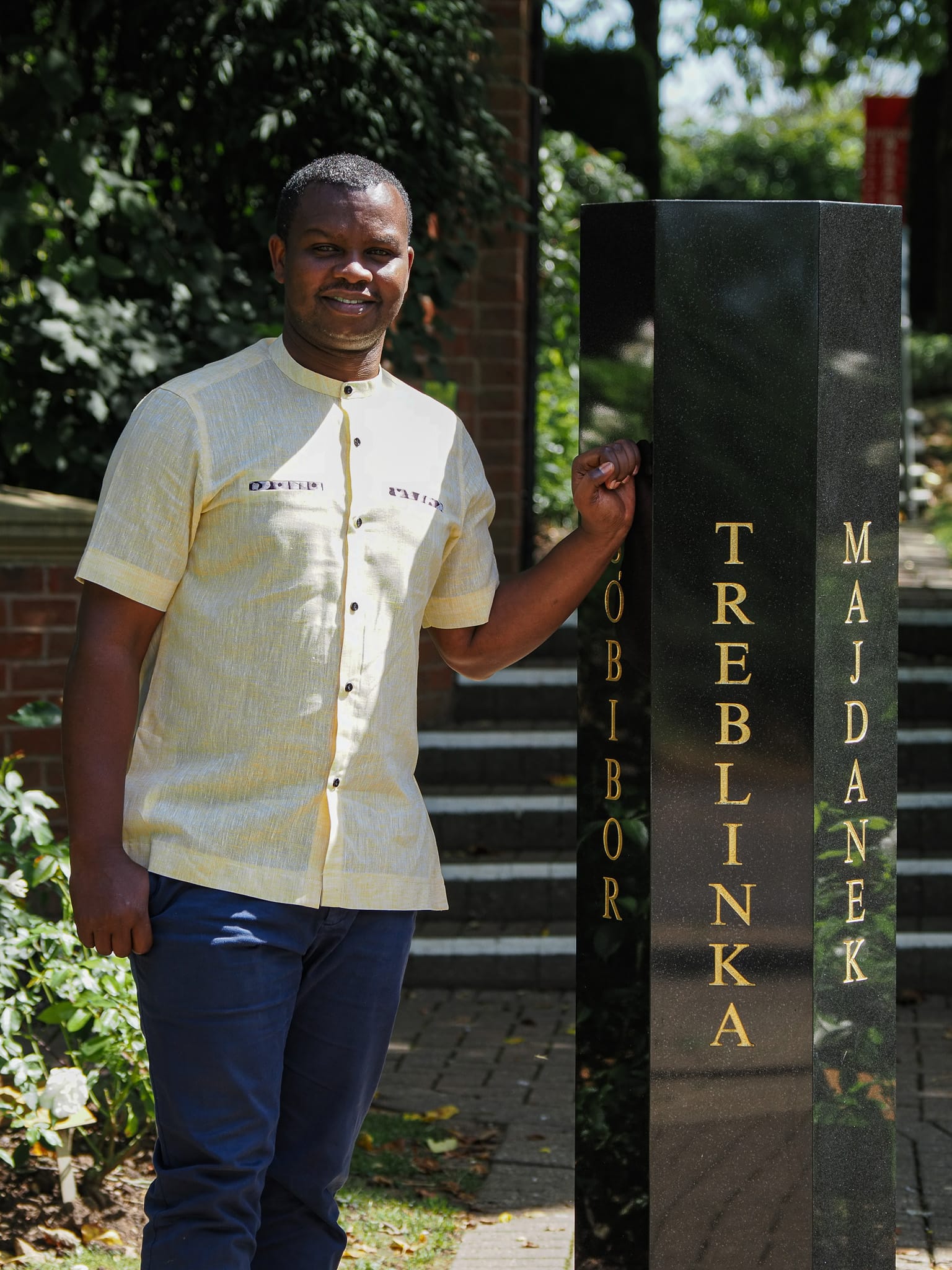
Freddy was then 28 years old, a young man. It was just 10 years after the genocide. Nothing really, in the context of what had happened. For Freddy and other survivors, the 10 years must have seemed like a blink of an eye.
But also, with the pain of survival after such an atrocity, each day must have seemed like an eternity, a massive challenge, one after another.
We are now 32 years after the genocide and today, August 18, Freddy reaches the major milestone of becoming 50!
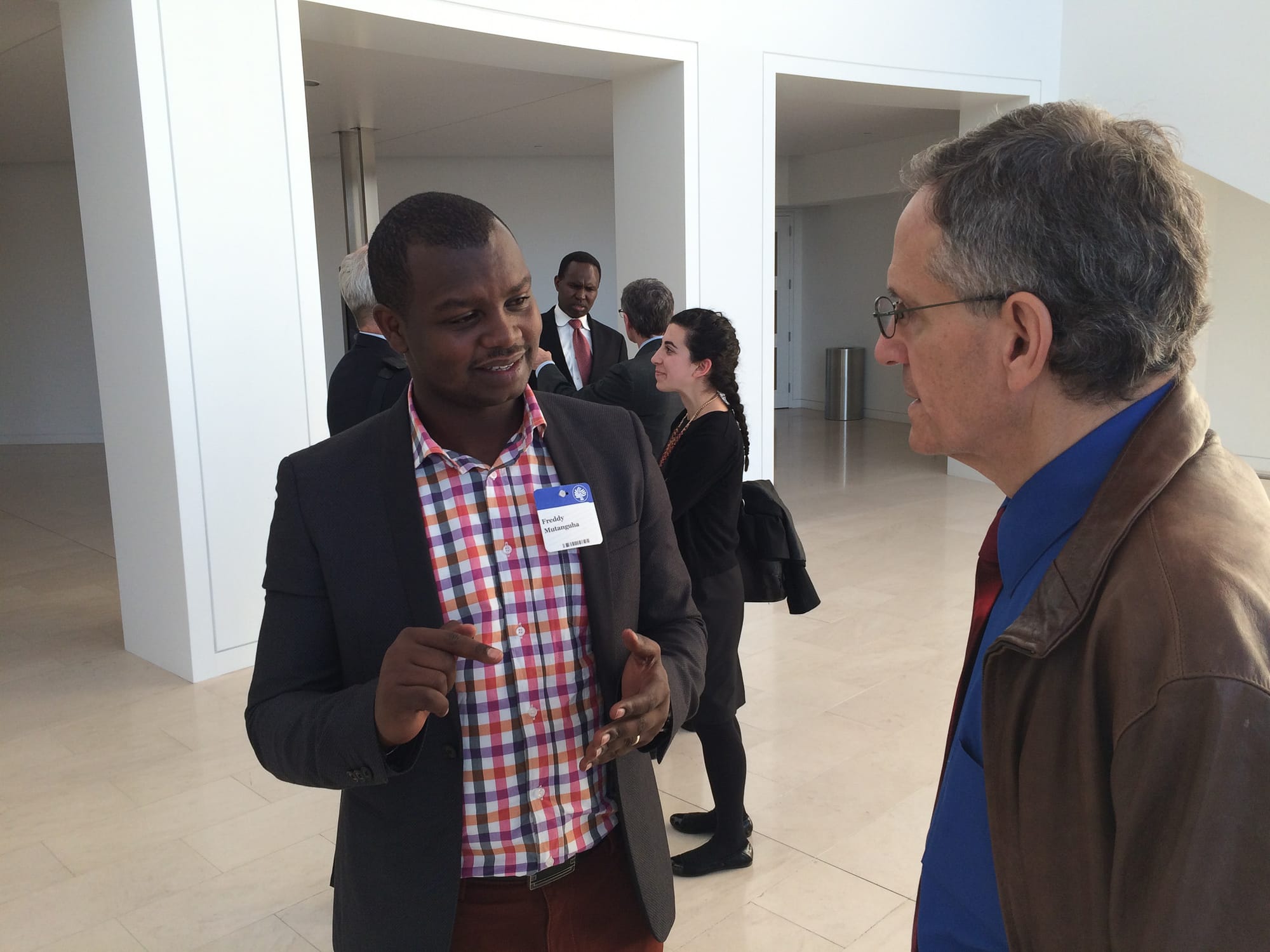
I have heard Freddy speak many times. Each time is a privilege. Each time there is a new insight.
Freddy was speaking to a group visiting Rwanda from the Chief Executives Organization. This was a group of around 50 people, mostly from the US. The talk was part of their visit to the Kigali Genocide Memorial.
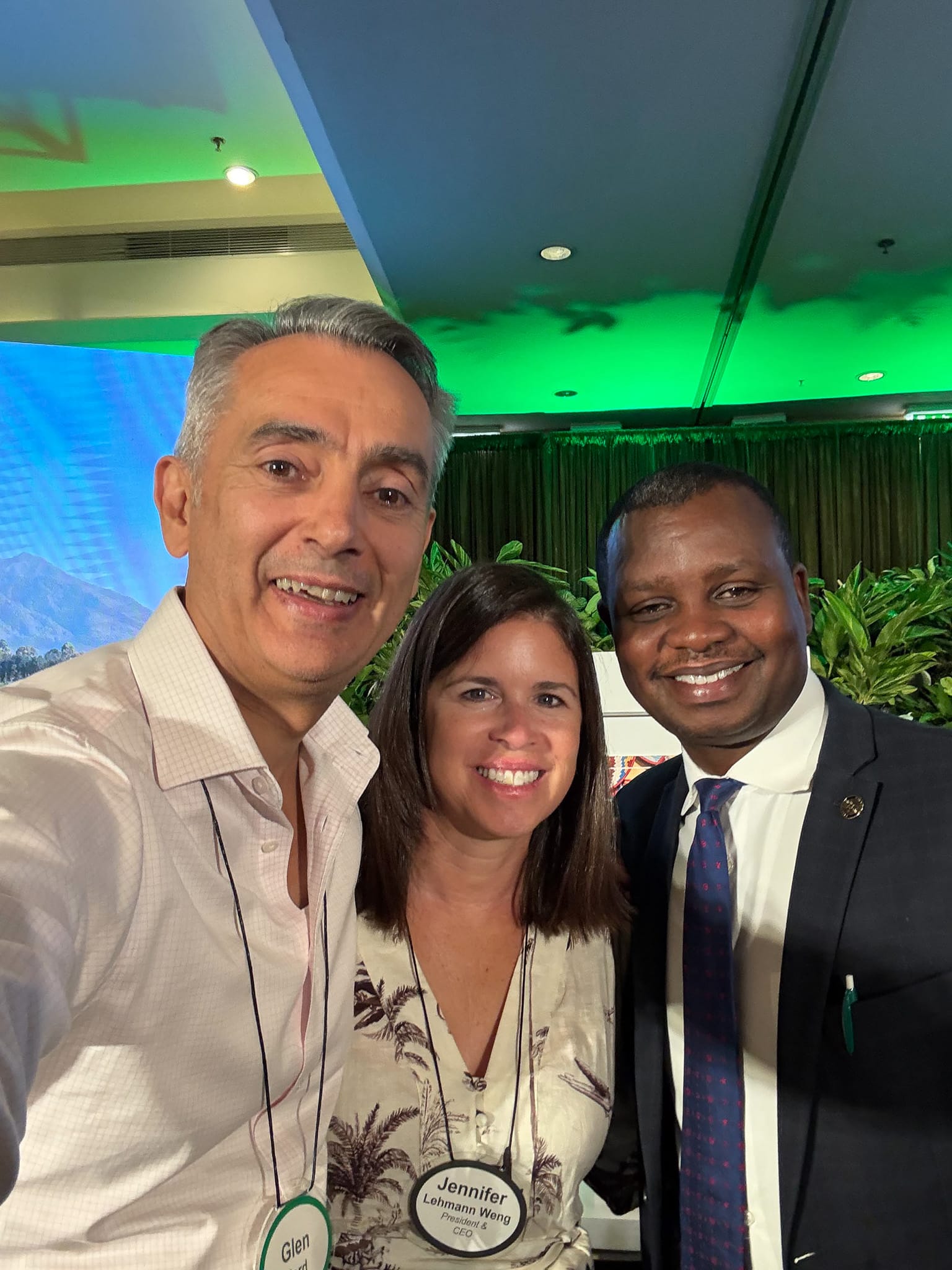
Freddy started with gratitude for his guests, followed by a small joke, and then — with almost no pause — with the hardest story you will ever hear told.
This is a story of hope and about the future, Freddy’s vision for the future.
In celebrating his birthday, I want to share what he said that day.
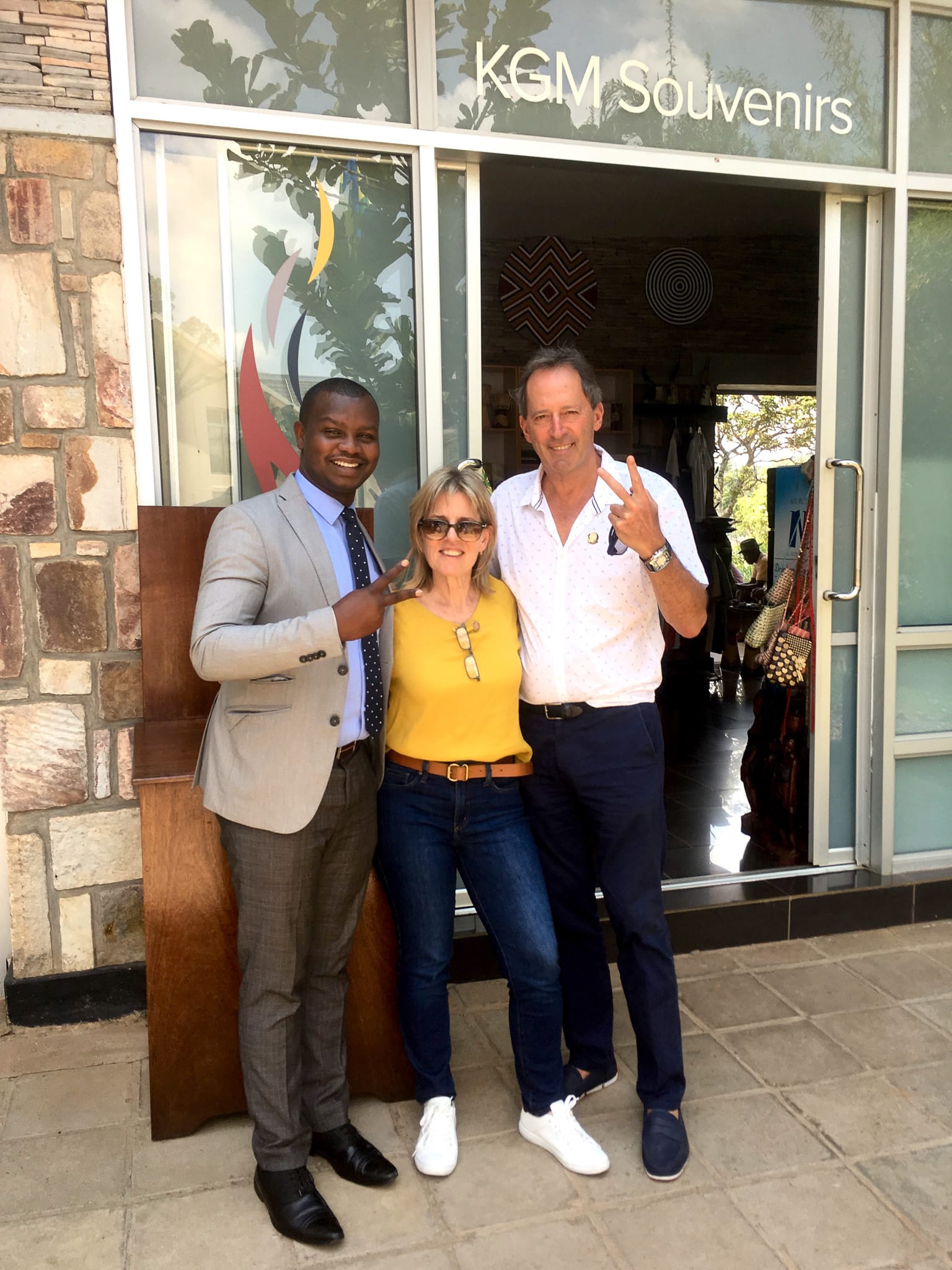
The Memorial is a home for survivors
Freddy began not with himself, but with the place: the Kigali Genocide Memorial.
For those reading who have visited, you will understand. It is a home for survivors.
It is a home because it is a special place. It’s a place of dignity for the families of survivors.
For Freddy, this means his parents, his four sisters and his mother-in-law.
More than 250,000 people are buried at the Memorial.
Most of us would call such a place a cemetery, a museum or a monument.
For survivors, this is a home, because they can be close to their families. It is a place of healing and of comfort. It is a home of peace.
Early beginnings
Freddy's story does not begin in 1994. It begins two decades earlier, with a young librarian.
In the early 1970s, a young man, some thirty years old, was working in a library, when word reached him that he should not go home.
Men were waiting there to kill him.
He left his job that day and became a refugee in neighbouring Burundi. His fiancée decided to follow him into the camp.
Later, they were married and Freddy was born there, in 1976 — a refugee.
Next, while his mother was pregnant with his sister, his father was killed in a car accident.
The situation in Rwanda became better; not great, just better.
So, his mother decided to go back to Rwanda. She went to her parents in the west of the country.
In time, she married again, as she was still young. Over time, they had four more children, daughters.
Freddy described it as a good life for the children, Freddy with his five younger sisters.
But around that good childhood, the fear for their parents was constant.
My son, this is all that is left
On the morning of April 7, 1994, Freddy woke to hear on the radio that the President’s plane had been shot down.
He was eighteen.
His first reaction was hope. Surely, their suffering would be over now, the bad person was gone?
His mother did not agree with him, but she did not want to argue with him.
She simply said: ”They will kill us all”.
They met as a family to decide what to do next. They agreed to send Freddy to hide with a schoolfriend, Peter.
Peter was a Hutu whose family had refused to take up the hatred. They were willing to hide Freddy.
You see, in previous major attacks—such as in the 1970s—women and children had been spared. They knew for sure that Freddy would not be spared.
But Peter’s family was poor. They only ate once a day. Freddy was used to three meals per day.
So every night, his mother slipped out of their house in the darkness, crossed to where her son was hiding, and brought him food.
At home, the attacks came each day. The family bought themselves another day with food or money. The neighbours who had nothing were killed first.
But clearly, this was not going to last long.
On the sixth night — 13 April — his mother came.
Freddy remembers that she was completely different. She was quiet, exhausted, she was not talking. She was downcast. She had no hope.
Freddy remembers seeing this in her face, her manner. It was obvious. He had not seen her like this before.
She looked at Freddy and said,
“My son, if you survive, be a man”.
Freddy replied, “No mum, no, what are you saying?”
At the talk, Freddy commented that it was only after the genocide that he understood the significance of those words, their true meaning.
And then she gave him what she had brought: beans and passion fruit.
She knew perfectly well that he liked neither. She said, “My son, this is all that is left, please eat”.
The next day the militia came to the house and killed everyone: his parents, four of his sisters—the youngest of which was 3 years old—and two others who were staying at the house.
Of his wider family, Freddy counts eighty people who were killed: cousins, aunts, his grandfather, everyone he had grown up among.
After the genocide, he discovered that one sister survived, his only surviving family member, from eighty people.
He also survived with the last words of his mother, “If you survive, be a man”.
These words became the guiding light for Freddy’s life, what has brought him to this point, some 32 years later.
His mother’s words are also the inspiration for his vision for the future.
Empty chairs
But first, it’s helpful to understand the pain of survival.
The genocide happened 32 years ago. But for survivors, there is a reminder of its effects every day, even in the celebrations.
Freddy gave two examples. The first: his graduation.
After the genocide, he had gone back to school. Because of his mother's words, he had done well.
“I always felt my mother's words so close to me”.
The headmaster made a speech to congratulate him.
Freddy said that, as he looked on his side, he realised that he didn't have anyone to say, “Well done, you did well”. He was alone.
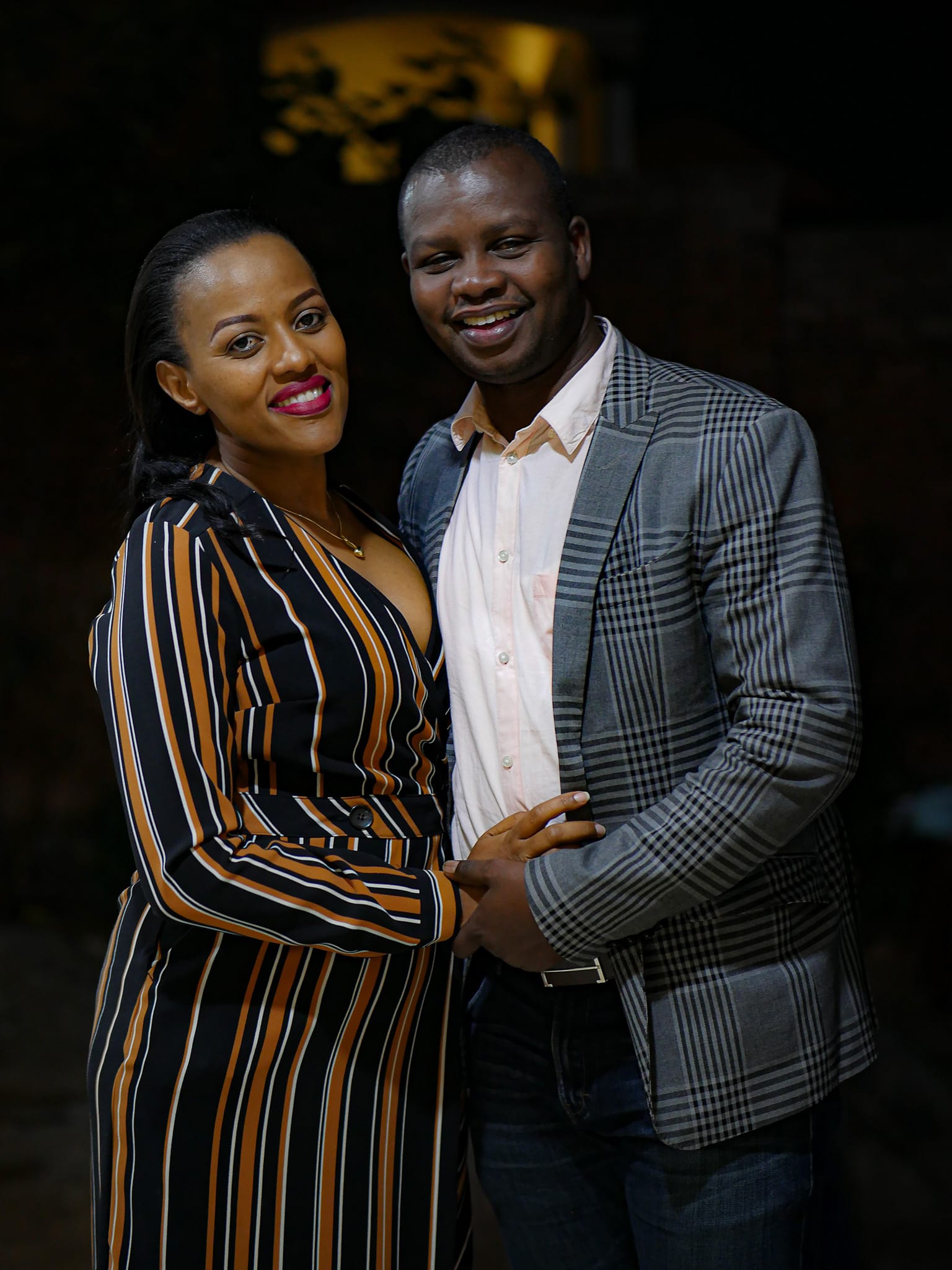
The second was at his wedding. The photographer asked the two families to separate — groom's side here, bride's side there.
As Freddy looked, he saw there was just one person standing with him, his surviving sister.
He had friends. Many of them.
But as he said, it's good to have friends, but they are not the same as your family.
Freddy commented that even in the good moments, you are reminded of who you are, where you came from.
The Future
There is a lot more that Freddy spoke about that day. He spoke about his journey at the Memorial, becoming its Director and then the CEO of the Aegis Trust.
He also spoke about developing a peace & values education program. This is now mainstreamed across the education system in Rwanda.
It reaches 2.5 million Rwandan children every year, delivered by the Rwandan Ministry of Education.
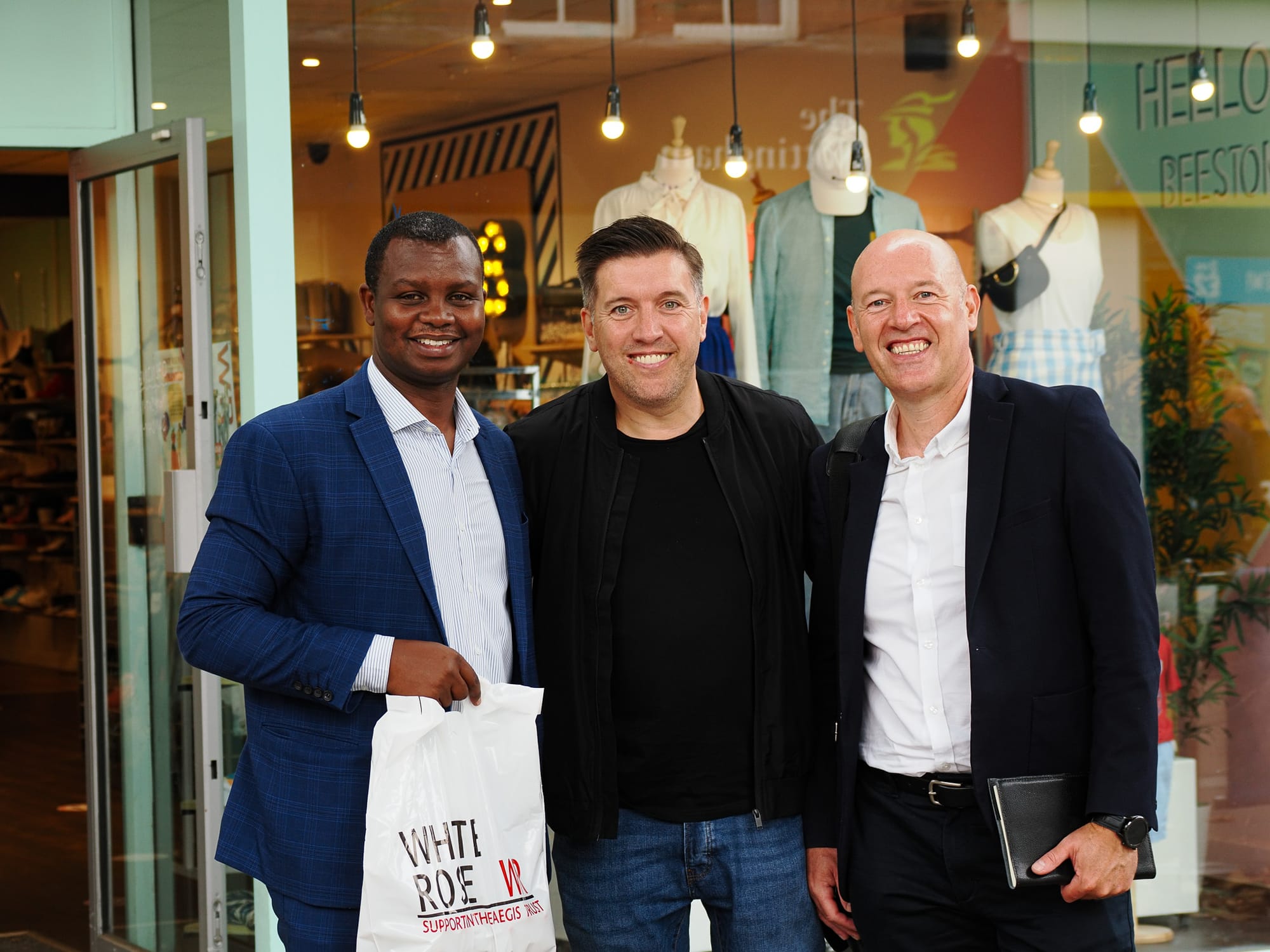
He also spoke about his own journey of forgiveness towards his perpetrators. He had asked himself the question: would he be a man of peace, or be someone who only spoke about it?
Freddy had realised about the power of human stories, the power of words given in the hardest of circumstances, the power of positive stories, of people overcoming difficulty.
His mother’s words continued to shape his understanding: If you survive, be a man.
But what does it mean to be a man, to be a hu-man, a human, a person, what does that mean?
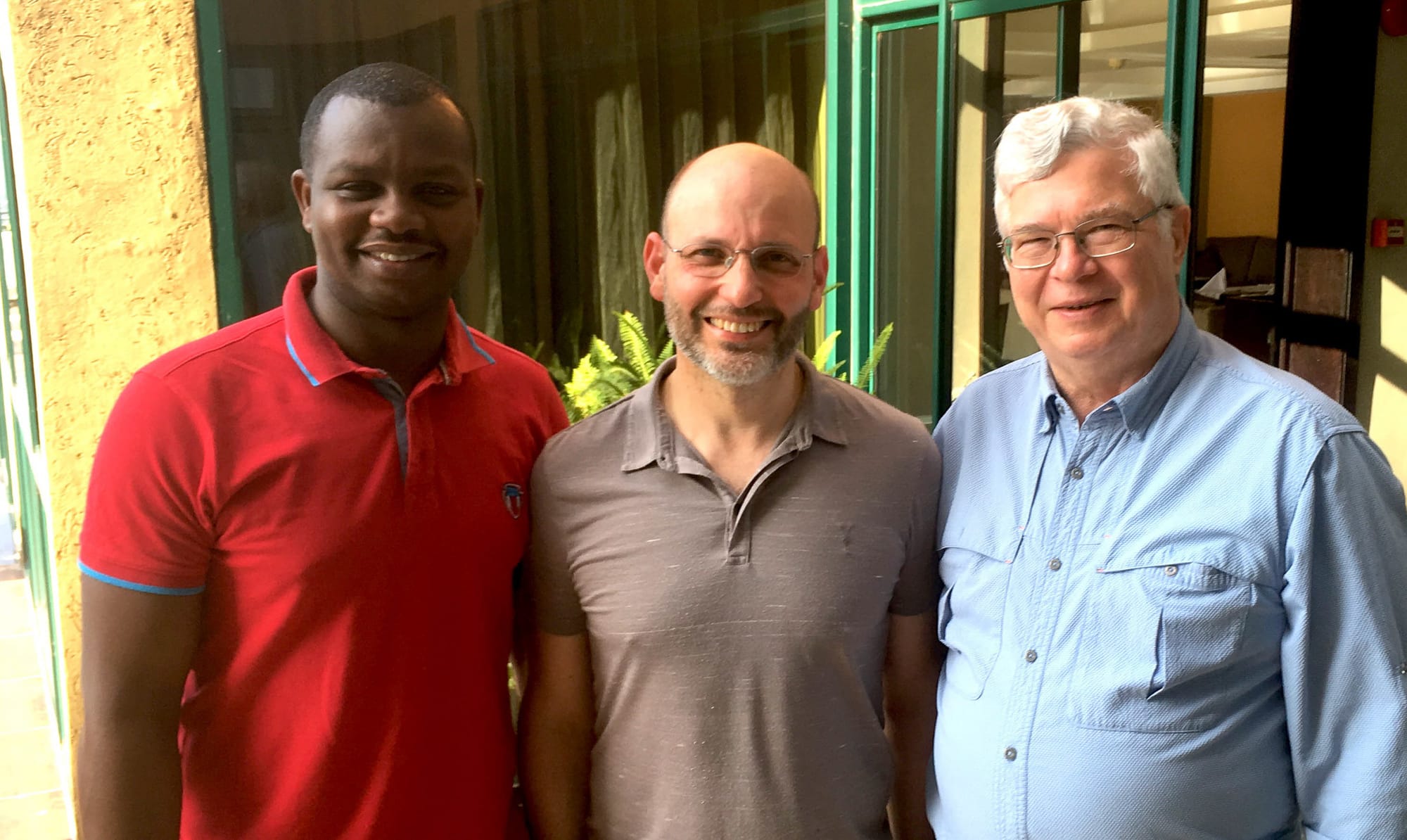
Freddy spoke about his aspiration for the future: to create a museum that is full of these stories, positive stories of people understanding what it means to be human, stories of people who overcome difficulty.
Freddy said that he has never seen a museum like this before.
He said that museums talk about the past. He commented that this is important.
But there is a need for more. There is a need for something that equips people.
This is the vision for the Isoko Centre for Humanity: which will become a global hub dedicated to peacebuilding, innovation, and applied research, rooted in Rwanda’s post-genocide reconstruction journey.
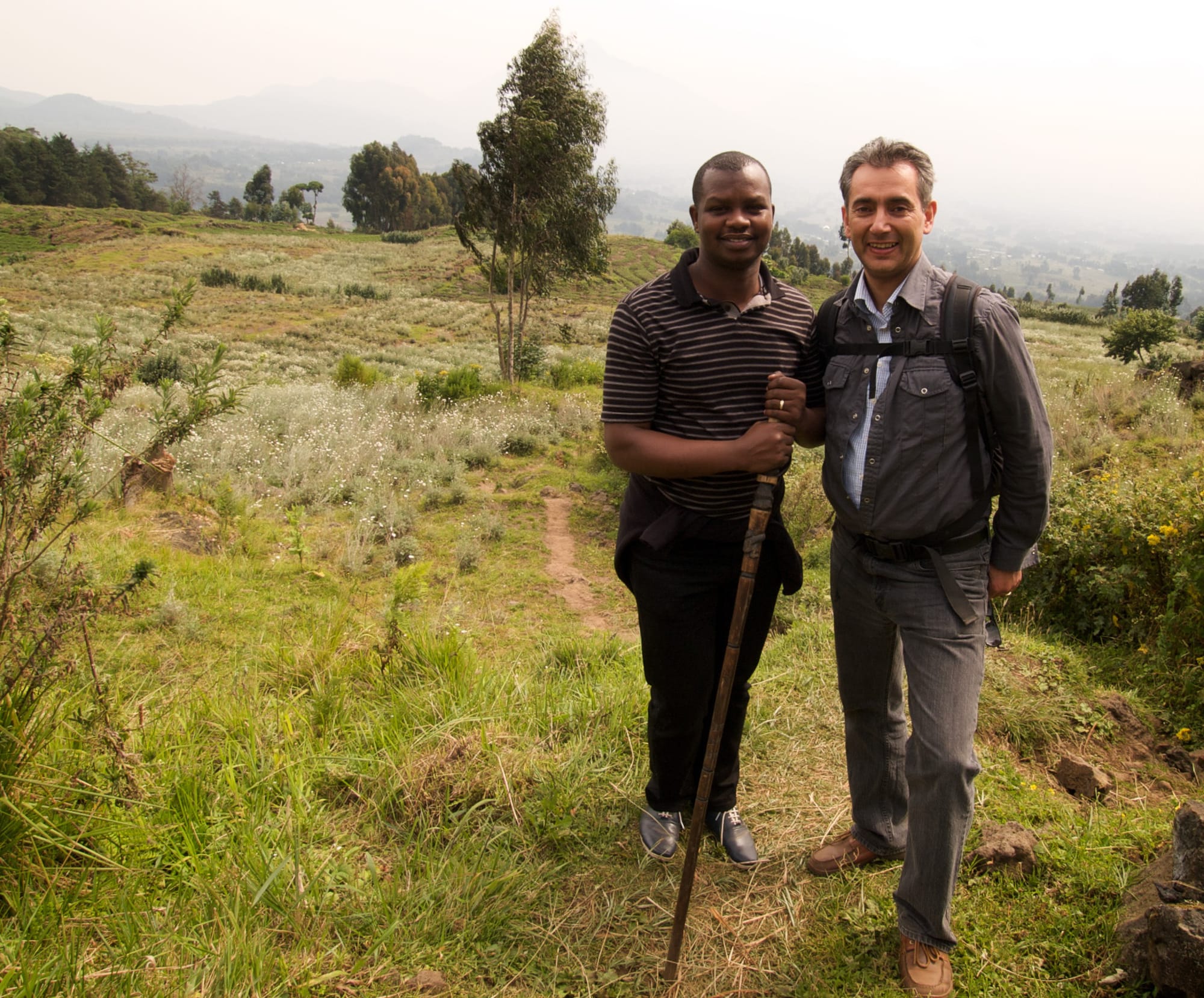
Well done Freddy!
So on this special day, I would like to wish Freddy a very happy birthday.
And to say, “Well done Freddy, congratulations, on all you have achieved”.
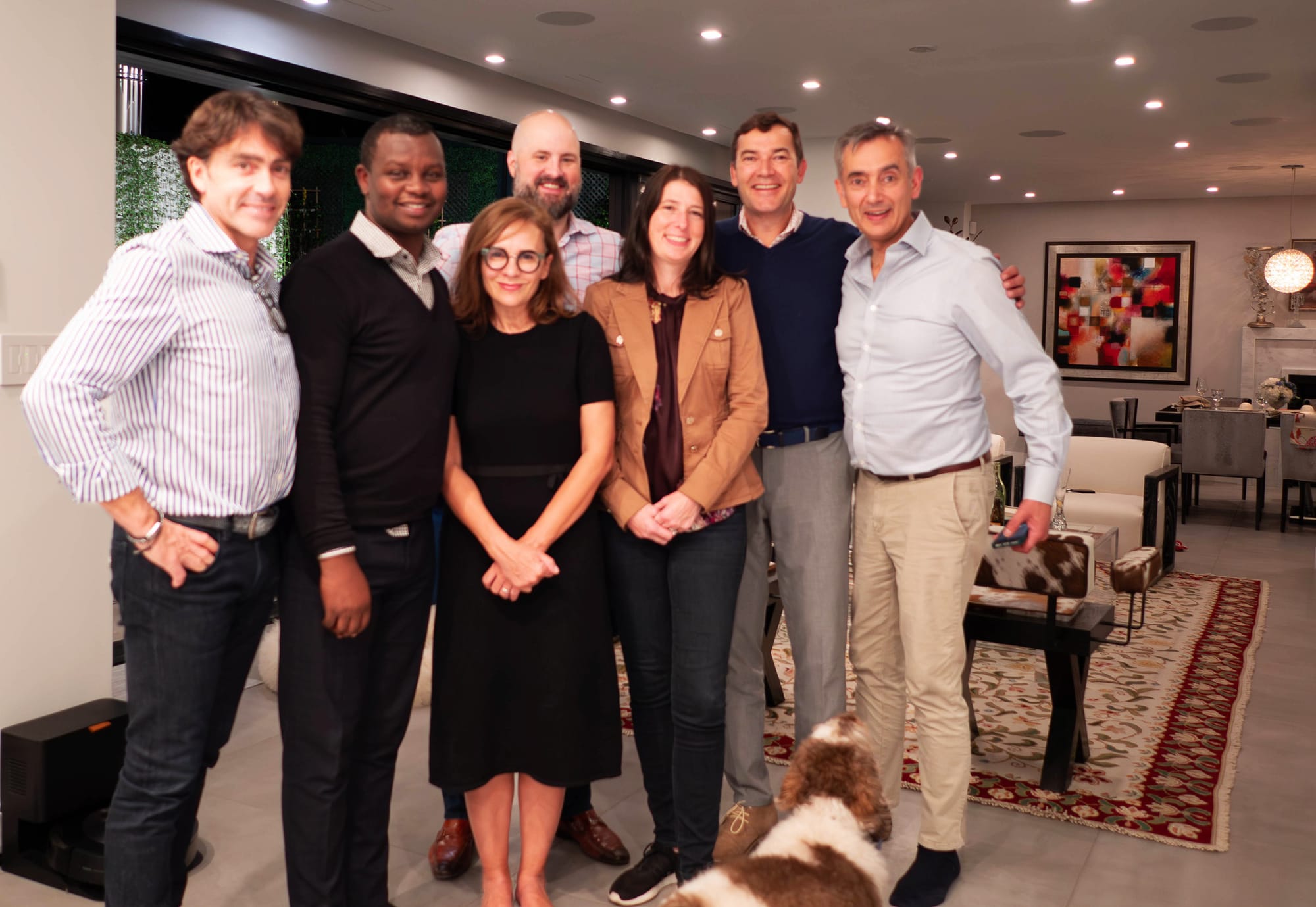
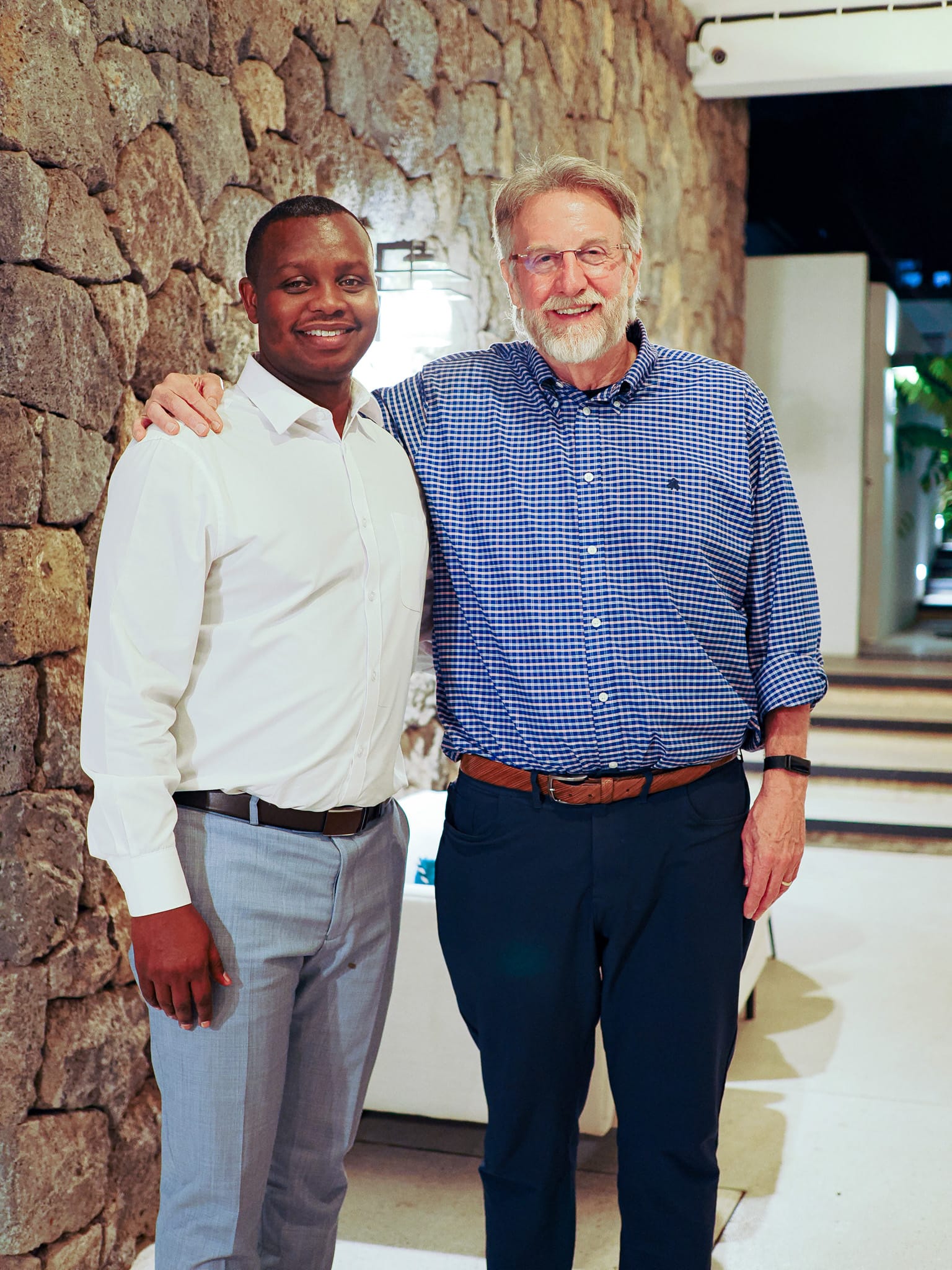
Freddy, it has been a pleasure and a privilege knowing you these past 22 years.
May this be the start of a whole new journey. May you go from strength to strength.
And may your mother's words bring hope and life to millions upon millions for many years to come.
May the words she entrusted to you in such a desperate situation, where there seemed to be no hope, be a source of hope and life for generations to come.
May all of us discover anew what it means to be a man, to be a woman, to be a human.
Thank you Freddy and well done!
If Freddy's story has inspired you to stay in touch, then join the 35Champions site, either as a free member or paying it forward.
Glen