It's all about the people
This is a story about hope, positvity and joy—the wonderful story of Steven Krulis.
My friend Tommy
I first met Tommy in November 2017 when we were both in Rwanda.
It was one of those chance meetings that would change our lives and the lives of others for the better.
In fact, we nearly did not meet because my normal routine at the time would have said not to be there. But I went and we met.
Tommy's wife, Lorelle, had been to Rwanda and encouraged Tommy to go also.
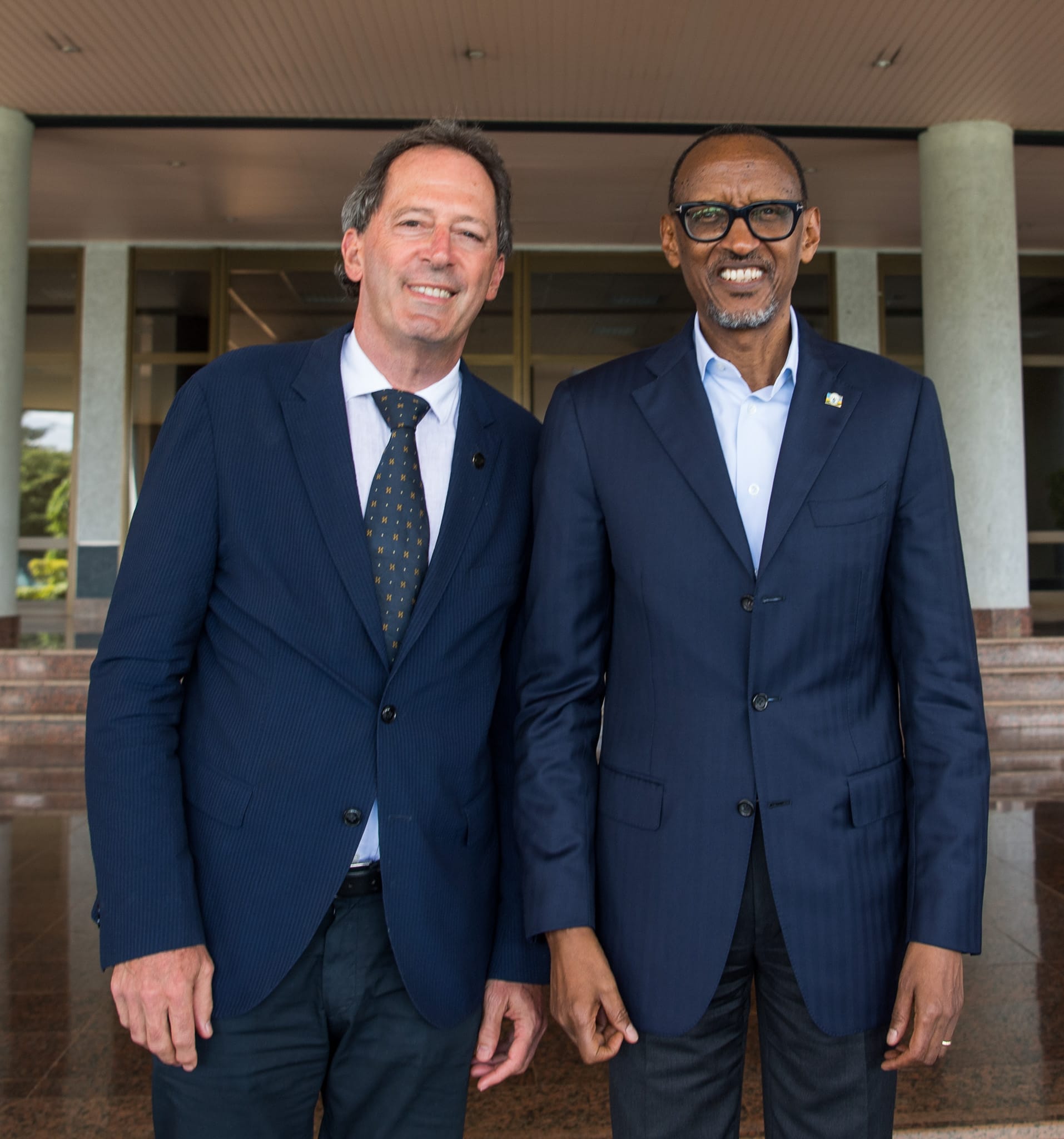
On his first visit, Tommy met President Kagame. Tommy asked what he could do to support the country, "Bring people to Rwanda", was the reply.
It was now November 2017, Tommy and Lorelle were visiting Rwanda, along with Annie Sowden and Nancy Reynolds, to plan a trip for the following year. This would turn out to be around 70 people, members of the Young Presidents Organization, their spouses and adult children.
I received an email about a month prior to their visit from Michael Roux, connecting me to Tommy and Annie, their trip organiser with YPO. They wanted to connect with the Kigali Genocide Memorial to plan for the main trip the following year.
I mentioned above that we nearly did not meet.
You see, it would have been easy to have simply connected them to the staff at the Memorial. Did I really need to fly out from the UK?
I decided I would fly out from the UK. When I was in Rwanda to meet Tommy, my boss at that time, Dr James Smith, came out to Rwanda for a routine visit. I collected him from the airport. As we drove into the main city, James asked why I happened to be in Rwanda. I explained why. James said, "We've received many visits from YPO, none have resulted in any lasting benefit for the Memorial, why should this be any different?"
I replied with words to the effect of "You never know". I added that the trip would let me combine other meetings with the Memorial team.
And so I was in Rwanda to meet with Tommy and his group.
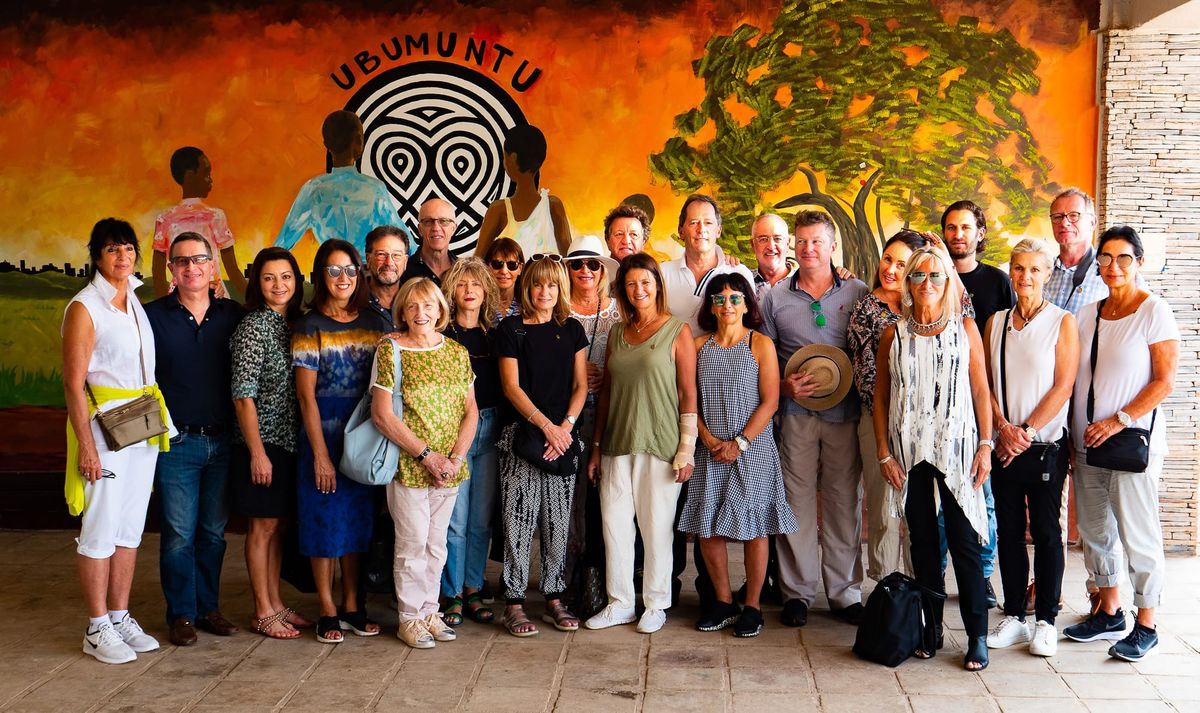
James could not have known this would be different. No one could have known what would happen. The image at the start is from 2019, when Tommy and Lorelle came to Rwanda with friends and family. They commissioned the mural you see in the picture, Ubumuntu, which in Kinyarwanda means the best of humanity.
Much more would unfold, including this movement, Champions, but that is for another time.
Tommy's Dad, Steven Krulis
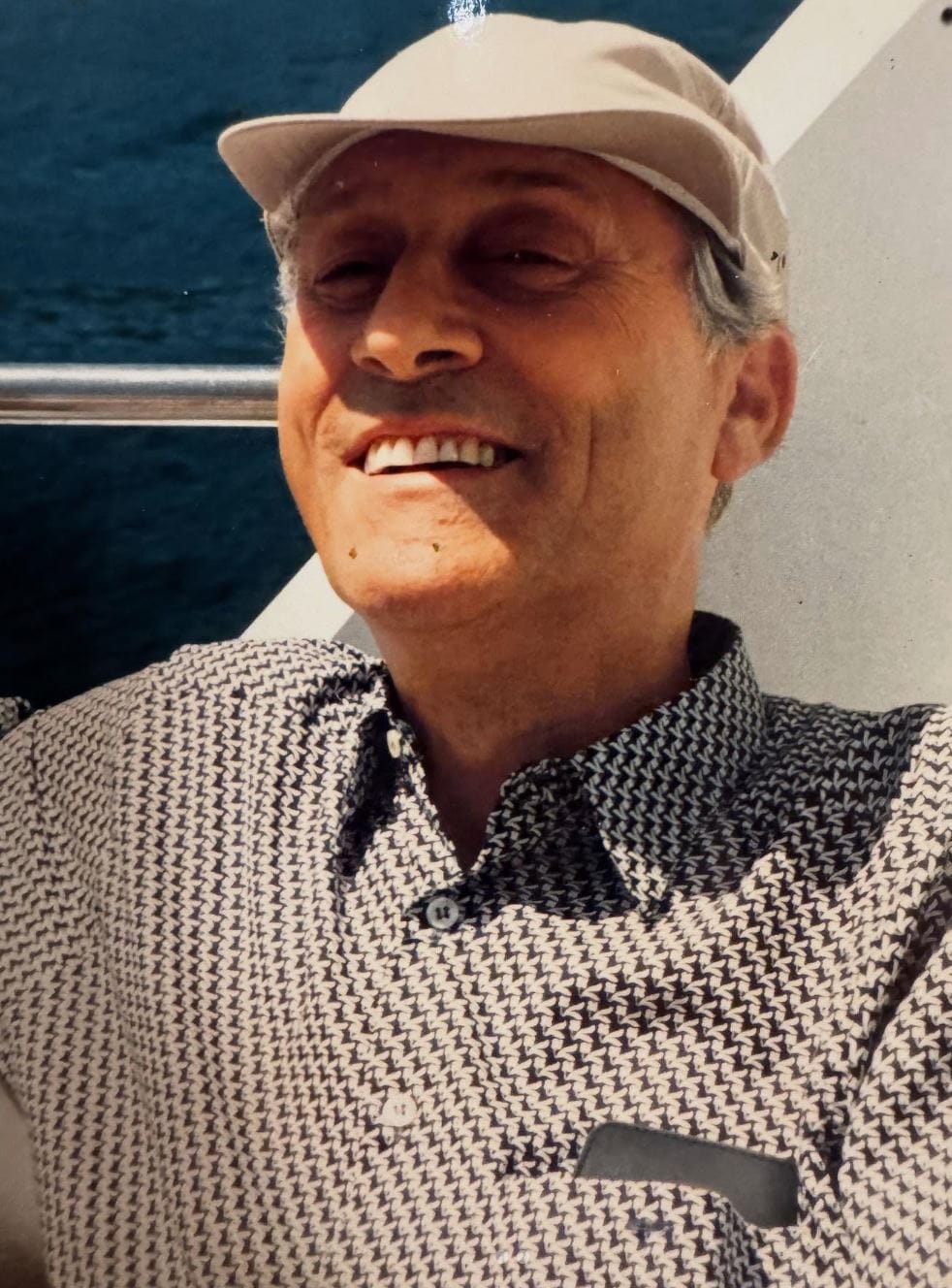
What I did not know at the time was that Tommy's father, Steven, had survived the Holocaust.
So, there was a very personal connection with the work of the Memorial and Aegis Trust, including its roots in the UK to counter antisemitism and prejudice through the UK National Holocaust Centre and Museum.
This was also around the same time that we were starting to realise that being a Champion—a Champion of Humanity—is good for business, good for health, good for life in general, and the best antidote against prejudice, including antisemitism.
Tommy's father, Steven, was a true Champion, a true Champion of Humanity.
In the previous post on enabling others, my friend and colleague Barrie Watson speaks about those who are makers, those who choose to build up others, despite their own needs.
Barrie, now in his mid 80s, and a world expert on human behaviour, describes this as people who:
Create the conditions in which other people are able to contribute fully, develop their capabilities and become the best versions of themselves.
That is Steven.
You can see it in Tommy's life and carried forward to his family, all that they do and the people they are—their identity. An identity rooted in building others up, or as we say in Champions: the capacity to act for the good of others.
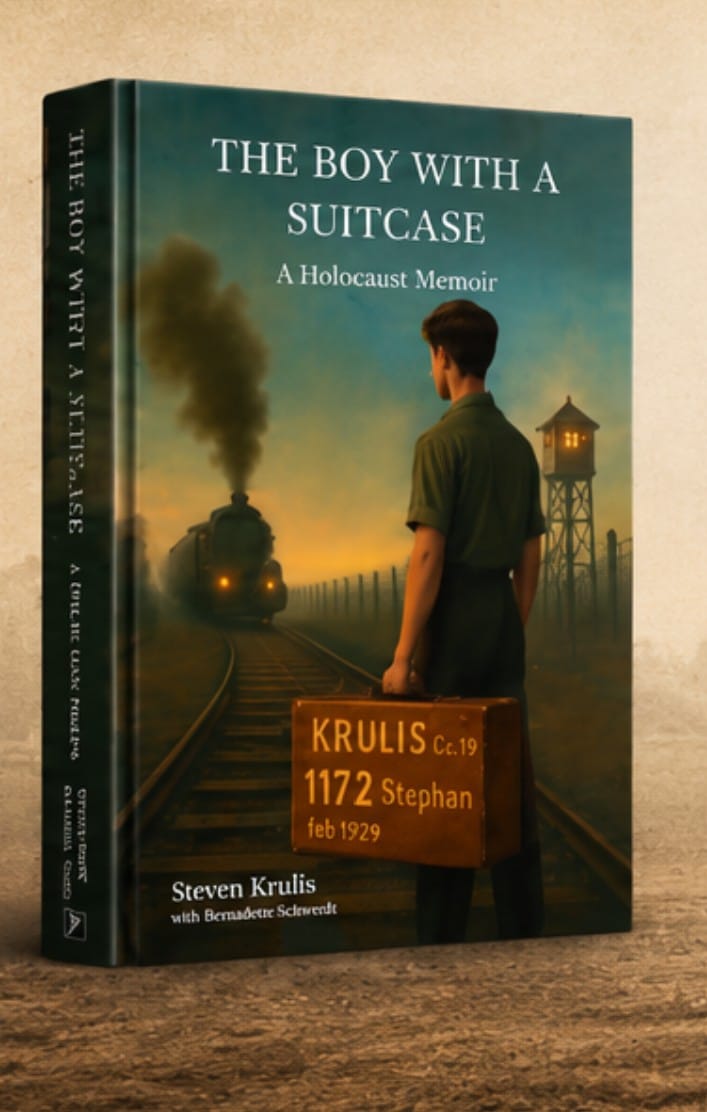
Earlier this year, Tommy arranged for Steven's story to be told through the book, The Boy With A Suitcase, written by Bernadette Schwerdt.
Also, in May this year, Tommy gave an interview on the podcast What I learned in business (that didn't kill me!), by James Stewart.
Steven Krulis' legacy of love
Below is an overview of the remarkable life of Steven Krulis.
I did not have the privilege of meeting Steven, but I have had the privilege of knowing his son, Tommy, and his family.
As a boy, Steven (Stephan) Krulis survived the horrors of Theresienstadt, Auschwitz-Birkenau, Fürstengrube, Gleiwitz, Mittelbau-Dora, and Bergen-Belsen.
After leaving Czechoslovakia, when he was just 19, he immigrated to Australia with his sister Misa. He took on the role of her guardian, worked as a factory hand and chef, and went on to build a successful real estate business.
His life was defined by an extraordinary commitment to hope, positivity and joy.
Hope: during his imprisonment, Steven sustained himself with a daily mindset. He believed that every single day would be his last day in 'hell' before being rescued.
Positivity—rejecting bitterness: after the war, despite losing his mother in Auschwitz and enduring severe trauma, he made a conscious choice never to harbour hatred toward his captors or the German people.
Joy: upon rebuilding his life in Australia, he chose to focus on leading a full, vibrant, and loving life, seeing the good in everyone and responding to darkness with warmth, humour, and dignity.
The central core of the Champions Pathway is focusing on what we learn from others. Our humanity is activated by the humanity of others. The ripples of humanity they create have real and powerful effects.
Steven lived by the belief that true human strength is found in the ability to rise, thrive, and find joy despite trauma.
I love Steven's approach. I am summarising as the Krulis HPJ philosophy to life: hope (using hope to rise above current challenges), positivity (to thrive by rejecting bitterness), and joy (focusing on a vibrant and loving life).
Why is Steven Krulis a Champion of Humanity?
Steven embodies the core principles of what it means to champion humanity.
At Champions, we talk about the Champions Pathway: Choice (the 'power of one'); Connection (the 'power of two'); and Creation (the power of small groups that create ripples that enable systemic change).
You can clearly see this in Steven's life:
- Choice: activating personal choice over hatred—rather than allowing trauma to dictate his future, he exercised his personal agency, his choice to break cycles of bitterness and revenge. He demonstrated how individual compassion can overcome systemic hatred.
- Connection: living proof of human connection—his survival was made possible through the immense love and courage of his adoptive father, Zdenek Krulis, who risked everything to track Steven across camps and hide gold in lard bottles to bribe SS guards for extra food. Steven carried forward this legacy of sacrificial love into his own family and community.
- Creation: creating ripples of humanity—in addition to his family, friends and colleagues, his life story inspired the Steven Krulis Champion of Humanity Distinguished Service Award, honouring global figures, such as Ambassador Kenneth Quinn, who actively confront genocide and promote human dignity.
Steven's story serves as an emblem for the humanity-first leadership programmes we run at Champions internationally. His life shows that humanity is a performance multiplier.
Key Words of Advice & Lessons
Building on his lived experience, his advice to Tommy and his brother Andrew was simple but profound:
- Diligence, humility and love: Steven's advice to his sons was that education and diligence are the true drivers of success in life, to remember to stay humble in their achievements, and to live a life with love in their hearts.
- Choosing memory over silence: that remembrance is an active responsibility—teaching them to measure their life choices by whether they would make their family proud, and defend human dignity against indifference.
A prescient warning on vigilance: Decades before our current times of heightened conflict and hate, Steven had a stark warning against complacency. He said to Tommy,
"We've lived in the golden era of prosperity, but don't always think it's going to remain that way."
Key Takeaways
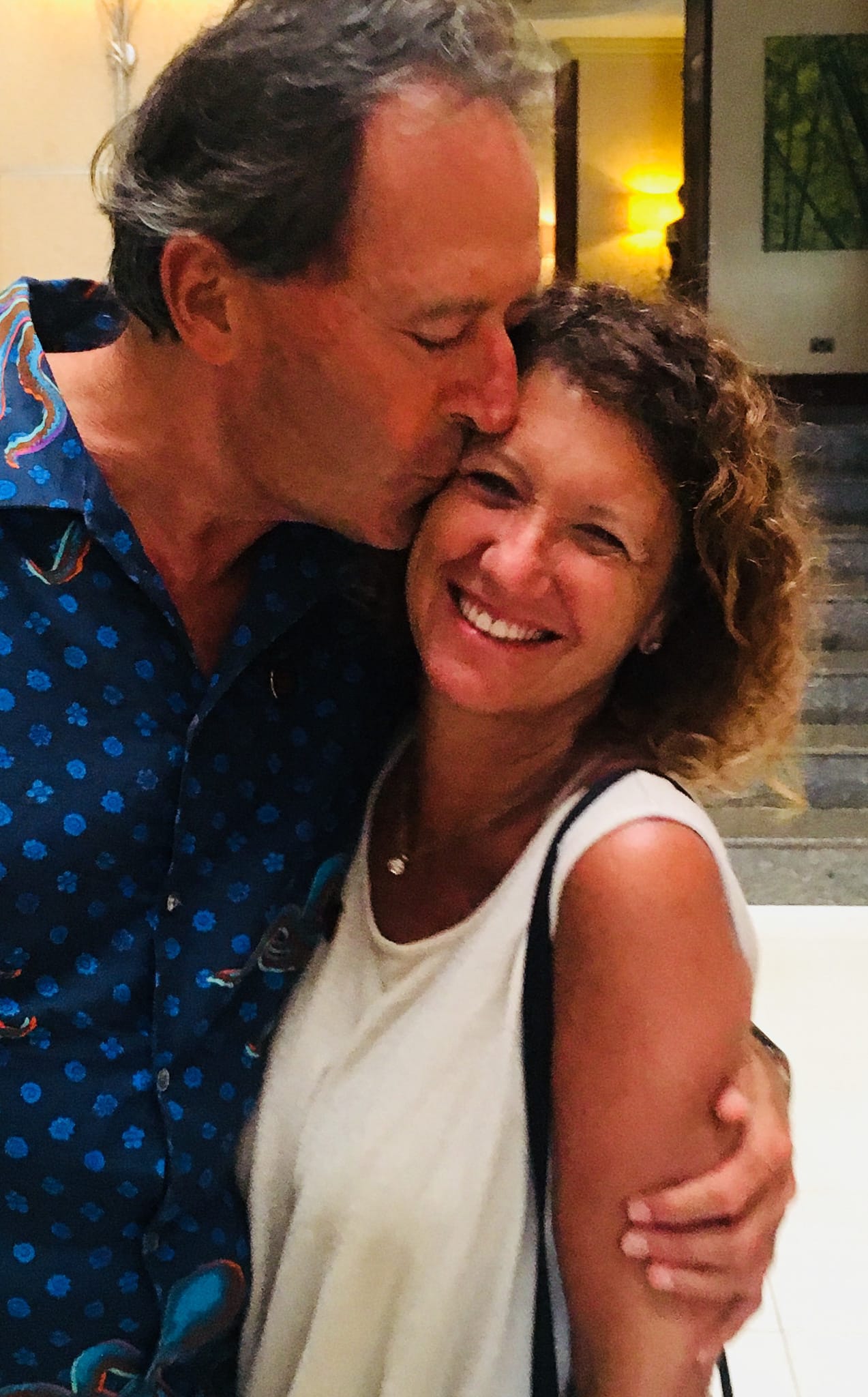
In the podcast mentioned earlier, Tommy beautifully summarised his views on business and life:
- All about people, you start with the people.
- Everything I've ever been involved with [starts with] good people, good values, honest, high integrity.
- The nuts and bolts of great culture and great people: if you haven't got that, you're never going to get there.
Tommy learned from his father that:
True strength comes from choosing to rise, thrive, and find joy despite our own trauma.
PS There is so much more to this story. But I want to keep this post short. Suffice to say, I am so very pleased that Michael Roux connected us—thank you Michael! And that I decided to be in Rwanda to meet with Tommy in November 2017.
A big thank you to Tommy and Lorelle for being such Champions, for carrying Steven's humanity forward and creating ripples of their own.
And thank you for reading. I hope this activates you to be a Champion of Humanity in your own circle.
It really is all about the people.
Glen
Enjoyed this story? Become a Champion, either as a free member, or pay it forward and help fund the next generation of young Champions.